With her quietly devastating new single stranger i can’t tell, Nashville-based indie singer-songwriter Kate Kristine continues to carve out a space where emotional precision matters more than resolution. Released on January 9, 2026, the track captures a uniquely modern form of grief: mourning someone who is still alive, still out there, but no longer reachable.
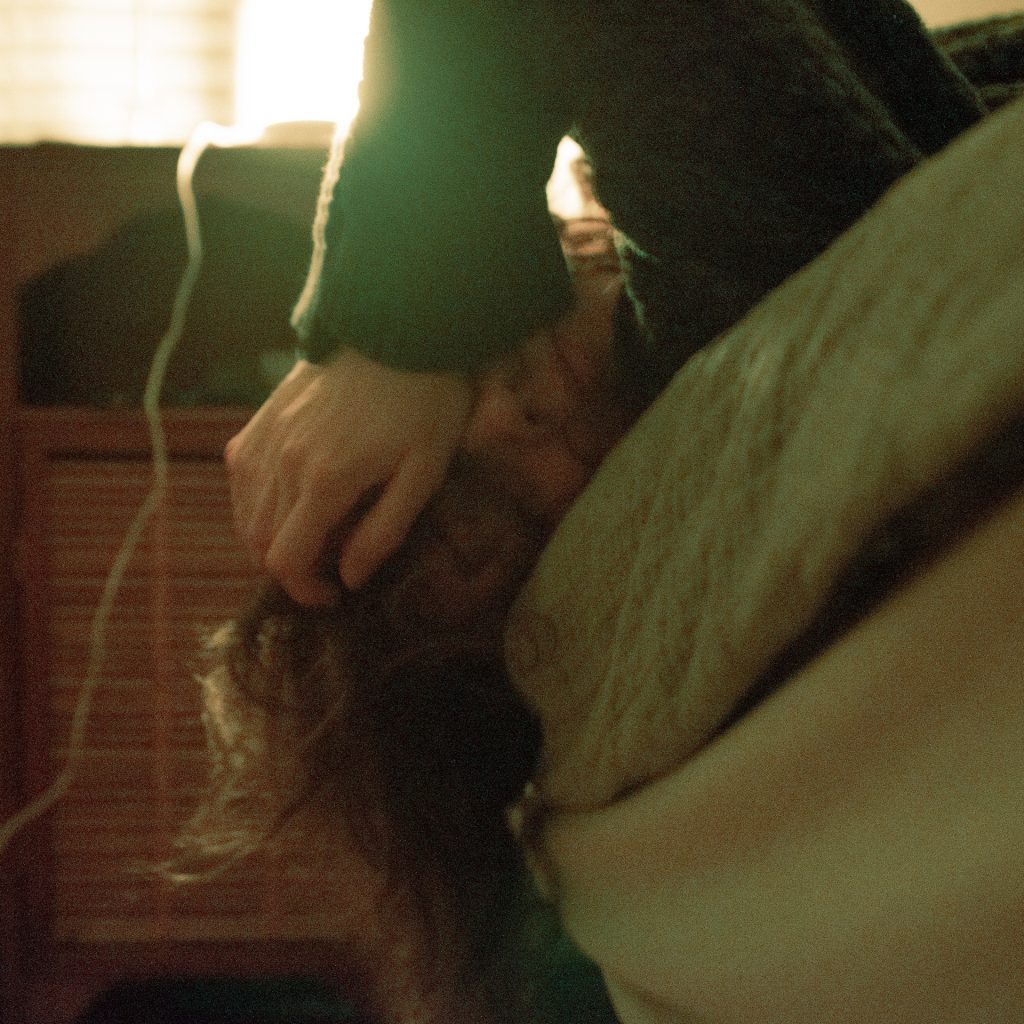
Blending her indie-folk roots with a warmer, more expansive indie-pop palette, stranger i can’t tell feels intimate without being small. Anchored by the haunting line “you’re a stranger I can’t tell, but oh, I know you well,” the song explores memory, emotional distance, and the paradox of knowing someone deeply while being cut off from them entirely. It’s not a breakup song in the traditional sense, but something more unresolved and unsettling—an honest reflection of how love lingers even when closure doesn’t arrive.
Following strong organic traction on TikTok, where early clips reached close to one million views, the single marks both a sonic evolution and Kate Kristine’s first official release in partnership with Release Global. It’s a moment that feels less like a breakthrough and more like an arrival: an artist choosing honesty over polish and ambiguity over easy answers.
We sat down with Kate Kristine to talk about grief without endings, emotional honesty in songwriting, and what comes next as her sound continues to expand.
Interview with Kate Kristine
Kate: I realized this was a story I needed to tell while I was navigating my first serious breakup. I had been with this person for nearly two years, and I went into that loss expecting the grief to feel more definitive or clean. Instead, it felt shockingly unresolved. He was still alive, still existing in the world, yet suddenly completely inaccessible to me in the ways that I felt mattered most. A person who had known every part of me, who had witnessed my most vulnerable moments, became someone I could no longer reach.
It was deeply unsettling. What made it especially difficult was how invisible that kind of grief can feel. There was no clear ending, no dramatic final moment, just the realization that someone who once felt like home was now a stranger. I found myself replaying memories, revisiting places, and searching for understanding and closure in those moments. I struggled to articulate that feeling in conversation with family and friends, but it lived very clearly in my body. Music became that space where I could process it honestly.
Writing stranger i can’t tell was not about finding closure as much as it was about acknowledging the emotional aftermath and allowing that unresolved grief to exist without trying to fix it. Once I recognized how deeply that experience was shaping me, I knew it was a story I needed to tell. Truthfully, I am still navigating the emotional aftermath of this relationship and have found more closure knowing how many people resonate with this song.
Kate: That line came pretty early on. A few nights after the breakup, I went driving and passed places that meant a lot to us. I was trying to feel close to something familiar and maybe get answers I never really got when things ended. When I got home, I pulled a Converse box out of my closet that I had kept all of our memories in. I sat on the floor, went through everything, and was completely wrecked.
At the same time, I had a text drafted to him that I never sent, saying that I truly needed him. The irony was that I was crying because of him while wanting comfort from the same person. That tension is what led to the line “you’re a stranger I can’t tell, but oh, I know you well.” It captured how someone could still feel so close through memory while being totally unreachable in real life.
As I kept writing, my favorite line came later: “Given what this was, my memories are composite. What do you expect me to do now?” When I say “composite,” I mean that my memories were no longer clear or separate. The good moments and the painful ones were layered on top of each other. That line came from realizing how confusing that makes it to move forward. When something matters that much, you do not remember it in pieces, you remember it all at once.
Kate: I think the shift came from me trusting myself more and not trying to force my music into a specific lane. Indie folk and indie pop have always been influences for me, and with this song I stopped trying to choose between them. Emotionally, I was in a more reflective place when I wrote stranger i can’t tell. Everything felt heavier, but also calmer in a way, and I wanted the production to hold that without overpowering the lyrics.
When Gianni, my amazing producer, and I started working on the song, we did not go in with a reference or a specific sound in mind. We focused on what felt right and let the song build naturally. That allowed the production to open up and feel warmer and more expansive while still staying intimate. For me, that mirrored where I was emotionally at that time in my life. I was still vulnerable, but more grounded than I had been in the past. This song felt like a step forward in trusting my instincts and letting my sound grow alongside me instead of holding it back.
Kate: I hope people feel less alone when they hear it. A lot of this song lives in that weird space where you know something hurt you, but you still miss it, and you still feel pulled back toward it anyway. I think that’s a really human feeling that we don’t talk about enough. You can love someone, need someone, and still recognize that they were the reason you were falling apart.
When I was writing it, I was not trying to make anything universal on purpose. I was just being honest about where I was at, emotionally and mentally, and I think that honesty is what allows other people to connect to it. If someone listens and feels seen in their own confusion or grief, or even just feels validated for missing someone they probably should not, then that means the world and more to me.
Every song I write doesn’t necessarily need to give answers. I like when music can just sit with people in the messiness and make them feel okay about not having everything figured out yet. That uncertainty feels real to me, and I think there is something comforting about a song that does not try to fix anything, but just exists alongside you.
Kate: Honestly, that’s how most of my writing works. I usually write when I’m still in the middle of something, not once I’ve figured it out. If I wait until I have answers, the feeling is already gone. Writing is how I sit with the confusion instead of trying to clean it up or turn it into something neat.
I’m really drawn to emotions that don’t resolve because that’s what life actually feels like. A lot of things end without closure, and even when something is technically over, it keeps living in your head. Memory, distance, and imagined conversations are a huge part of that. I’ll start from one specific feeling or moment and just let the song follow wherever that takes me, even if it never lands anywhere comfortable.
I don’t feel pressure for my songs to explain themselves or offer solutions. I want them to feel like a snapshot of where I was emotionally at that exact time. If someone listens and feels less alone in not having things figured out, that matters more to me than tying everything up in a way that feels fake.
Kate: Honestly, it happened so fast that I didn’t really have time to overthink it. I posted the clips pretty casually, not expecting much, and then suddenly so many people were hearing the song before it was even fully out in the world. That was surreal, especially because the song came from such a private place. I wasn’t prepared for how exposed it would feel.
What surprised me the most was how people engaged with it. Instead of just consuming it and moving on, people were opening up, sharing their own stories, and reacting emotionally to something that felt so specific to me. Seeing that happen in real time changed my relationship with the song. It stopped feeling like something I was protecting and started feeling like something I was releasing.
TikTok moves quickly, but that speed actually forced me to let go of control. I couldn’t curate how people interpreted the song or what it meant to them. I had to trust that the music could stand on its own. That experience made me more confident as an artist and more comfortable with vulnerability.
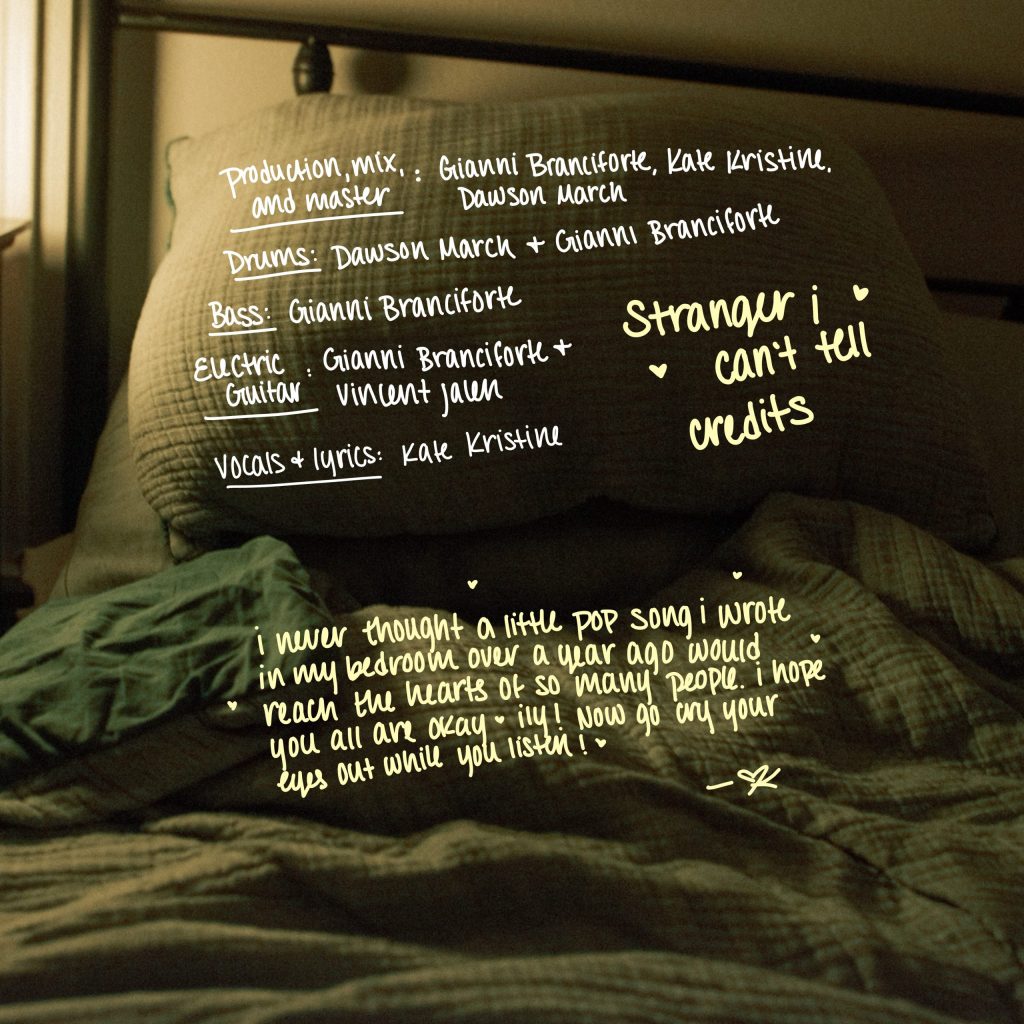
Kate: I’ve been independent my entire career, and a lot of that has meant learning as I go and trusting my instincts without much external validation. Partnering with Release Global feels like recognition of the work I’ve been putting in, but it doesn’t change how or why I make music. If anything, it’s given me more confidence to keep leaning into honesty and raw truth in my writing.
Creatively, it’s been really energizing. This upcoming EP is something I’ve never created before, and I’ve never felt this connected to my music until now. I feel more sure of my voice and more excited about the direction my sound is taking. Truthfully, I wouldn’t be where I am now without my manager, Matt, and my producer, Gianni.
Kate: Yeah, I definitely feel that shift, and it’s something I truly admire. I’ve always been more interested in telling the truth of an experience than softening it. My earlier songs already did that in different ways, whether it was about vulnerability, addiction, or growing up.
It does feel like more artists are allowing themselves to be honest without trying to make their experiences more palatable. There’s less pressure to resolve everything and more space to admit confusion. I don’t necessarily think of it as a movement, but I do feel aligned with artists who aren’t afraid to sit in uncomfortable emotions and tell the truth about them.
Kate: Nashville has been incredibly inspiring and intimidating at the same time. Living in a city where songwriting is taken so seriously has pushed me to become more intentional. I grew up around traditional country and bluegrass music, and storytelling has always been foundational for me, but I also draw a lot from literature and poetry.
I’m drawn to unresolved endings and emotional honesty rather than clean story arcs. Life does not always give us closure, and I want my music to reflect that. Nashville’s collaborative environment has been huge for me, especially working with Gianni and other creatives who continue to challenge and inspire me.
Kate: This upcoming EP is the first time I’ve created something that feels fully connected and intentional. Sonically, it sits somewhere between Lizzy McAlpine and The 1975, but it still feels very personal and emotionally grounded.
The next chapter is about realizing self-worth in hindsight and choosing not to repeat the same patterns. It feels more confident and self-aware, but still honest. I don’t need to have all the answers. I just want to keep making music that reflects where I truly am.
Final Thoughts
With stranger i can’t tell, Kate Kristine proves she’s unafraid of emotional gray areas. Her songwriting doesn’t rush toward resolution or tidy conclusions; instead, it stays with the discomfort, the memory, and the unanswered questions. As she steps into a fuller sonic landscape and prepares an upcoming EP, one thing feels clear: Kate Kristine is building a body of work that values honesty over certainty—and that quiet bravery is what makes her voice resonate so deeply right now.