There is a particular kind of magic that happens when an artist tells someone else’s story and finds, in the telling, that their own life has woven itself into the fabric of the song. Mark Moule discovered exactly this when he wrote about Izzy Orlof, the pioneering photographer who first introduced the camera to Western Australia, and Eyes of Izzy, released June 12, 2026, marks a significant departure for the Busselton-based singer-songwriter, representing his first time writing about someone else’s life rather than his own experiences. Yet during one of the most traumatic periods of his life, Moule’s personal struggles inevitably wove themselves into the song, the historical portrait of a pioneering photographer becoming entangled with the artist’s own search for solace and settledness. After gathering dust for ten years, the song has finally been released, offering a glimpse into both historical legacy and personal redemption.
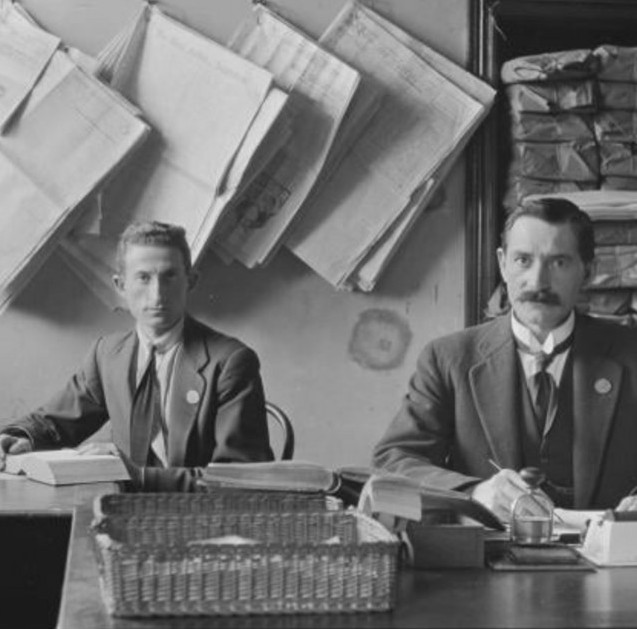
The subject of Eyes of Izzy gives the song its distinctive historical dimension. Izzy Orlof was the pioneering photographer who first brought the camera to Western Australia, a figure of genuine historical significance whose work introduced a new way of seeing and recording the world to a developing region. Writing a song about such a figure is an unusual and ambitious choice, and Moule embraces it, crafting a narrative that honors Orlof’s legacy as a pioneer who captured images of a world that was being formed. The eyes of the title connect beautifully to the photographer’s vocation, the camera being an extension of Orlof’s eyes, the photographer seeing and preserving the world through his lens, and the song explores this way of seeing as the essence of Orlof’s contribution.
The departure that Eyes of Izzy represents for Moule is significant. As an artist whose deeply personal storytelling usually draws from his own life’s rawest moments, writing about someone else’s life was a genuine first for Moule, and this shift required a different kind of imaginative engagement, the inhabiting of another person’s story rather than the excavation of his own. Yet remarkably, this departure did not result in a song disconnected from Moule’s own experience, the artist finding that he put a great deal of where he was at into the song, his own struggles infusing the historical narrative with genuine emotional weight. This blending of historical subject and personal feeling gives Eyes of Izzy a richness that a purely biographical song might lack, the portrait of Orlof carrying the emotional truth of Moule’s own difficult period.
The connection between Moule and his subject runs through the city of Fremantle, the coastal haven that links the two men across more than a century. Fremantle is where Izzy Orlof settled, and it was also where Moule found comfort during one of the hardest periods of his life. Working remote mine sites and raising his children as a single father without real support, missing his home of Birmingham and his loved ones, Moule found that his monthly respites in Fremantle meant a great deal to him, the one night a month he spent there before heading to Busselton offering genuine solace during a turbulent time. This shared connection to Fremantle, the place where Orlof settled and where Moule found comfort, creates a poignant bridge between the historical subject and the songwriter, the city linking their stories across the distance of time.
The personal struggles that Moule was navigating when he wrote the song give it an emotional depth beyond its historical subject. During a traumatic period of feeling unsettled at work and in the town where he was living, missing home and loved ones, and facing the challenges of single fatherhood, Moule channeled his own search for stability and solace into the song about Orlof. This difficult context infuses Eyes of Izzy with genuine emotional weight, the historical narrative carrying the songwriter’s own longing for settledness and home, the song becoming a vehicle for his own feelings even as it tells another man’s story. The traumatic period that produced the song gives it an authenticity that pure historical reconstruction could not achieve.
The collaborative origin of Eyes of Izzy reflects a genuine creative partnership. The project began a decade ago when Paul Curtis contacted Moule about collaborating on a university project about Izzy Orlof, Curtis wanting to record a song about the photographer to accompany his coursework. Moule put the lyrics together while Curtis handled the rest, and the collaboration earned Curtis an A grade for the project. This origin in academic coursework gives the song a charming backstory, the partnership between Moule’s lyrics and Curtis’s musical work producing something that exceeded its original purpose, a genuine piece of art emerging from a university assignment.
The magic of the recording process is reflected in the first-take perfection that Curtis recognized. Recorded in Curtis’s modest home studio in Fremantle, the song captured lightning in a bottle, with Curtis declaring the very first take perfect enough to use on the final recording. Though they recorded a couple more takes, Curtis used the first one, the spontaneous magic of that initial performance being too good to improve upon. This first-take quality reflects the genuine emotional truth that Moule brought to the song, the authenticity of his connection to the material producing a performance that could not be bettered through repetition.
The decision to release the song now, after ten years gathering dust, reflects Moule’s sense that the time is finally right. Having sat unreleased for a decade, Eyes of Izzy is being dusted off and shared with the world at what Moule believes is the perfect moment, the song’s release representing a kind of personal redemption, the bringing forth of a piece of work created during a difficult time into the light of a more settled present. This long-delayed release gives the song an additional poignancy, the decade of waiting having preserved the lightning-in-a-bottle magic of that first recording for this moment of sharing.
Eyes of Izzy is the sound of history and healing intertwined, a song about a pioneering photographer that carries the emotional weight of its songwriter’s own difficult period. Mark Moule has captured both Izzy Orlof’s historical legacy and his own search for solace, the shared connection to Fremantle bridging the two stories across more than a century.
The camera saw a new world, and the song sees both the photographer and the man who wrote about him. Mark Moule has dusted off a ten-year-old piece of storytelling at exactly the right moment, and its blend of historical legacy and personal redemption proves that some songs only grow more meaningful with time.