There are two great forces that shape every human life, the relentless forward march of time that carries us toward our end, and the enduring cycles of nature that bring new life even as the old passes away. Father Time and Mother Nature, the parents of us all, govern the arc of every existence, the passing and the renewing, the loss and the rebirth. Clay DuBose has named his most ambitious and emotionally resonant album after these two forces, and Father Time & Mother Nature, the eleven-track album released June 12, 2026, reflects on love and loss and family and the passage of time with the wisdom of an artist who has lived through profound personal change. Blending rock and blues and country into a sound uniquely his own, the Texas-based singer-songwriter has made a record shaped by death and birth and the fragility of life, a sweeping meditation on the urgency of making the most of the time we have.
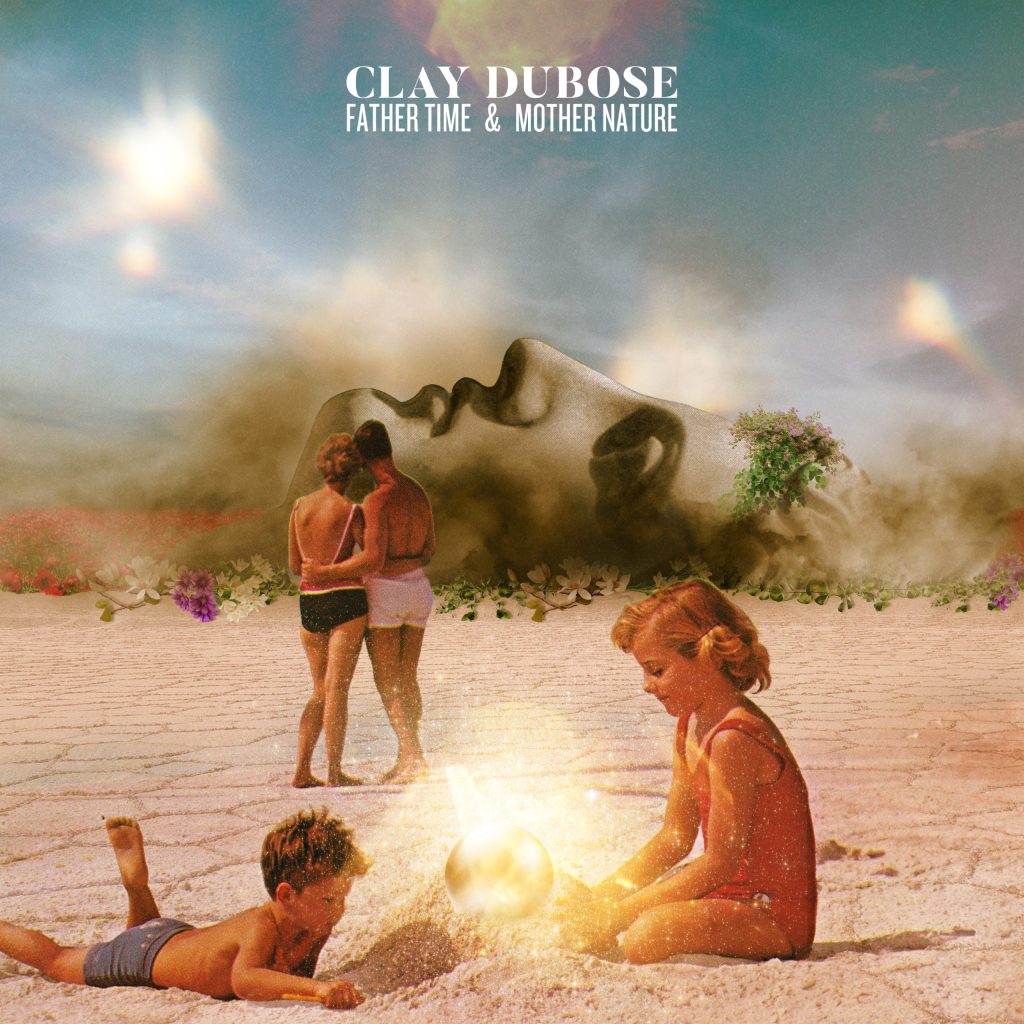
The personal arc that shaped Father Time & Mother Nature gives the album its genuine emotional weight. DuBose returned to songwriting after stepping away from his solo career to focus on family, and the years away brought profound change. As he explains, he had gone through a great deal since his last record, his father passing away, his daughter being born, and the pandemic reminding everyone how fragile life can be. The album reflects this arc of loves lost and time passing and the urgency to make the most of life, the songs emerging from genuine experience of both death and new life. This grounding in real personal change gives the album its authenticity, the meditations on time and mortality and family being not abstract reflections but the hard-won wisdom of an artist who has buried his father and welcomed his daughter within the same span of years.
The album opens with When Heroes Say Goodbye, a reflection on the emotional impact of losing beloved musical icons. The song mourns the passing of figures like Chris Cornell and Tom Petty and Prince and Neil Peart, artists whose deaths represented genuine losses to those who loved their music, and DuBose engages with the particular grief of losing the heroes who shaped us. This opening establishes the album’s preoccupation with loss and the passage of time, the departure of these musical icons being part of the larger reckoning with mortality that the album undertakes, the heroes saying goodbye reminding us of the impermanence that touches even the seemingly immortal figures of our cultural lives.
Winning Streak follows with a different energy, using Las Vegas imagery and Elvis references as a metaphor for gambling on new love. The track is highlighted by dynamic interplay between guitar and piano, the Vegas setting providing a vivid backdrop for the risk and the hope of new romance. After the grief of the opening track, Winning Streak introduces the theme of taking chances on love, the gambling metaphor capturing the risk and the possibility that new love represents, the winning streak being the hope that the gamble might pay off. The Elvis references connect to DuBose’s own influences and his powerful vocal abilities, the King being one of the artists whose example shaped DuBose’s approach.
The title track Father Time & Mother Nature unfolds as a progressive musical journey, building toward a powerful finale. Featuring the late Neal Casal’s soaring guitar work and ferocious drumming from Jamie Douglas, along with improvised vocals shared between DuBose and award-winning blues vocalist Janiva Magness, the track is the album’s centerpiece, the progressive structure building toward an explosive climax. The presence of Neal Casal’s guitar work is particularly poignant given the album’s themes of loss, the late guitarist’s contribution being preserved in the recording, his soaring playing living on in the track even after his passing. The improvised vocal session between DuBose and Magness gives the title track a spontaneous, electric energy, the two voices sharing the microphone in a moment of genuine musical communion.
Dreams Can Come Untrue brings a melancholy reflection on disappointment, the inversion of the familiar phrase about dreams coming true capturing the way that hopes can be undone, that the dreams we cherish can unravel. This track engages with the losses and disappointments that time brings, the dreams that do not survive contact with reality, the bittersweet recognition that not everything we hope for comes to pass. I Hope You’re Watching is among the album’s most deeply personal songs, reflecting on the loss of DuBose’s father and the bittersweet reality that he never met his granddaughter. This track confronts the genuine grief at the album’s heart, the father who passed before he could meet the daughter who was born, the hope that he is watching from beyond carrying the longing for connection across the boundary of death. This is the emotional core of the album, the intersection of loss and new life rendered with dignified honesty.
Waiting For The Day continues the album’s emotional journey, the waiting suggesting both anticipation and the patient endurance of difficult times, while New Game Now brings a note of renewal and fresh starts, the new game representing the beginning of a new phase of life after loss. Fading Away confronts the gradual diminishment that time brings, the fading being both the loss of those who pass and the awareness of our own impermanence, the song engaging directly with the passing that Father Time governs. Broken Mirror brings the image of fracture and distorted reflection, the broken mirror suggesting both bad luck in the superstitious tradition and the fragmented self-image that loss and change can produce.
Growing Wild captures the dizzying speed at which children grow up, a theme particularly resonant for DuBose as a father to a young daughter. The growing wild suggests both the rapid, uncontainable growth of children and the untamed vitality of new life, the track celebrating the new generation even as it marvels at how quickly they grow. This song represents the Mother Nature side of the album’s title, the renewal and new life that balance the loss and passing, the child growing wild being the answer to the grief of the father’s passing, the cycle of life continuing through the generations.
The album closes with Scotch And Soda, a rendition of the Kingston Trio classic that pays tribute to DuBose’s father, who first introduced him to the song. This closing track is a deeply touching gesture, the son honoring the father through the music the father shared with him, the inherited song becoming a vehicle for grief and gratitude and connection across the generations. Ending the album with this tribute gives Father Time & Mother Nature a poignant conclusion, the father who passed away present in the music he passed down, the song connecting DuBose to his father even after death.
The extraordinary lineup of musicians that DuBose assembled gives the album its rich sonic tapestry. Produced by Ted Russell Kamp and recorded entirely in Los Angeles, the sessions brought together an remarkable array of studio talent, including guitarists Brian Whelan and Doug Pettibone and Neal Casal and Dean Parks and Will Ray, the latter being DuBose’s longtime collaborator since 1994. With contributions from a deep roster of accomplished musicians on bass and keyboards and pedal steel and organ and drums and harmonica, the album achieves a layered richness of tones and textures, the wealth of talent serving DuBose’s ambitious vision.
DuBose’s history gives the album its context. Emerging from the Sunset Strip scene of the late 1980s and developing his Americana voice on critically recognized albums that charted in the early 2000s, DuBose has long occupied a space that feels both classic and forward-looking. His four-octave vocal range and his influences from Elvis and Roy Orbison and Robert Plant give him the vocal power to deliver performances that combine rock intensity with Americana storytelling, and Father Time & Mother Nature represents the culmination of his artistic development, the return to recording producing his most ambitious and emotionally resonant work.
Father Time & Mother Nature is the sound of an artist reckoning with loss and renewal, a sweeping meditation on the two great forces that govern every life. Clay DuBose has channeled the death of his father and the birth of his daughter and the fragility that the pandemic revealed into an album of genuine depth and beauty, the rock and blues and country combining into a powerful reflection on time and family and the urgency of making the most of the life we have.
Father Time carries us forward toward our end, and Mother Nature brings new life to take our place. Clay DuBose has made an album that honors both forces with wisdom and feeling, and its reckoning with loss and renewal proves that great songs, like the emotions behind them, only grow deeper with time.