There is a particular kind of fantasy that takes hold during our darkest mental struggles, the desperate hope that none of what we are living through is actually real, that we might one day wake up and discover that the suffering was somehow a dream. This fantasy of escape, of an unreal reality from which we might awaken, can be both a comfort and a symptom of genuine pain. Sipul have built a remarkable album around exactly this theme, and In The Still, the thirteen-track album released June 12, 2026, explores the longing to wake up from a reality that feels unreal, alongside the genuine struggle with mental illness. Created during a profoundly difficult period as a source of catharsis, the album transforms real pain into music of genuine substance, the Rochester band channeling their struggles into a deeply personal and ultimately cathartic work.
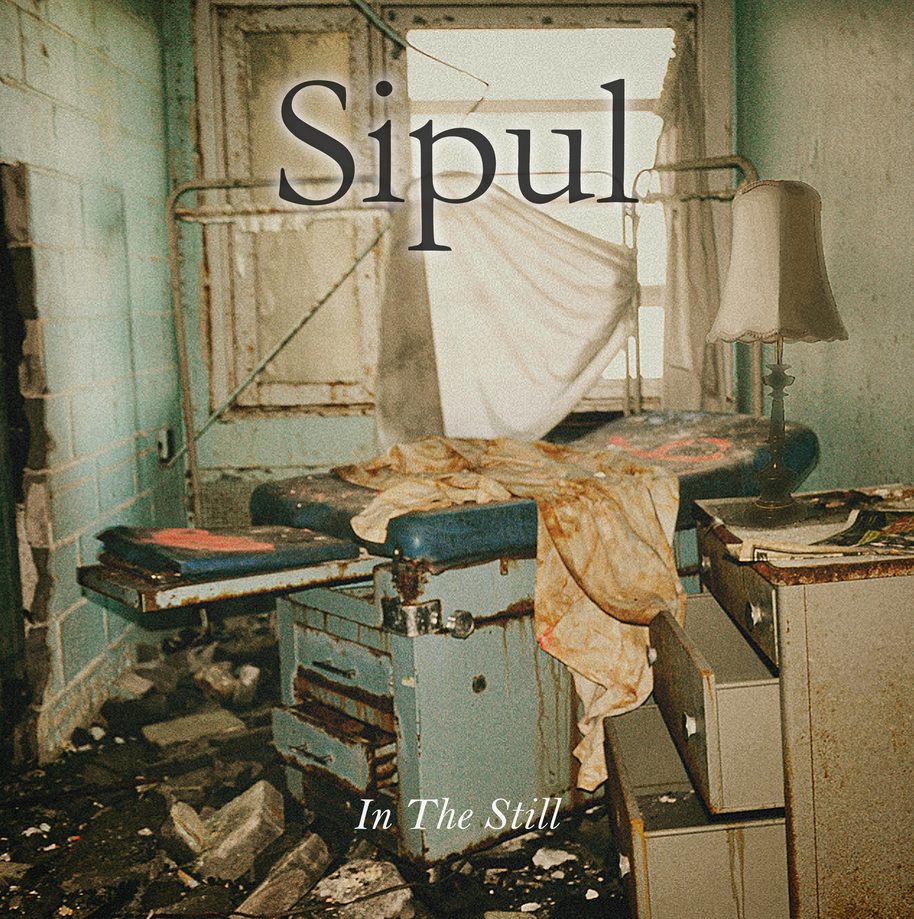
The conceptual inspiration behind In The Still is genuinely fascinating. The album draws on an allegedly true story posted on Reddit years ago about a man who hit his head and, during a short coma, experienced nearly a decade of life, only realizing his reality was not real when he noticed something off about a lamp in his living room. James Spaziani, known as Spaz, wrote many of the album’s songs during an especially rough time mentally, often fantasizing about that story applying to him, hoping that maybe one day he would wake up and none of what he was living through would actually be real. This fantasy gives the album its central theme, the longing to wake up from an unreal reality reflecting the genuine desperation of mental struggle, the Reddit story providing a powerful metaphor for the hope of escape from suffering. This conceptual foundation, combined with the album’s exploration of mental illness, specifically OCD and depression, gives In The Still its emotional depth and its honesty.
The album’s origin as a source of catharsis gives it profound significance. As Spaziani candidly shares, he was struggling severely mentally before and during the creation of the album, at times thinking that creating it might be the last thing he ever did, many of the songs directly reflecting that thinking. But the main intent and hope of the album was to be a source of catharsis, Spaziani hoping that if he just got all of it out of himself, he could feel a bit better, and he does feel better. This origin gives the album genuine weight, the music being not merely artistic expression but a genuine act of survival and healing, the creation of the album helping Spaziani end a specific chapter of his life. This honesty about the album’s role in his mental health journey is genuinely moving, the work standing as a testament to the cathartic power of creating, the hard work of making the album being part of the hard work of getting better.
The album opens with Loser’s Limp, an evocative title that suggests defeat and struggling forward despite it. This opening establishes the album’s honest engagement with difficulty, the loser’s limp being the wounded persistence of someone who keeps moving despite their pain. Eating a Reuben Alone in a DMV Bathroom follows, its strikingly specific and mundane title capturing a particular kind of lonely, alienated experience, the absurd specificity reflecting the strange, isolated moments that punctuate difficult times. This vivid, specific title demonstrates the album’s distinctive lyrical sensibility, the everyday alienation captured with darkly humorous precision.
Familiar Stranger brings a theme of disconnection and unfamiliarity, perhaps the feeling of not recognizing oneself or one’s life, the familiar becoming strange. This track was recorded with creative experimentation, the band capturing the sounds of a rotary phone and a typewriter and a wood saw and bells and shovels, the unusual sounds reflecting the album’s experimental approach and the freedom that recording themselves allowed. Treading Water captures the exhausting struggle of barely keeping afloat, the treading water being the constant effort required just to survive, the metaphor perfectly capturing the depletion of mental struggle. Travelator, sharing its name with a local band the group admires, suggests constant motion, the moving walkway carrying us forward whether we choose it or not.
Sanguine brings an interesting note to the album, the word meaning optimistic or hopeful, perhaps an ironic or genuine glimpse of hope amid the struggle, the sanguine outlook contrasting with the album’s darker themes. Ford Nova evokes a specific car, the concrete image perhaps carrying memories or associations, the everyday object becoming meaningful within the album’s personal landscape. Hibachi Ball brings another vivid, specific image, the particularity reflecting the album’s grounding in concrete, everyday details even as it explores abstract psychological states.
Margarine of Error, a clever play on margin of error, is significant in that it summarizes and condenses the album’s main themes, the difficulty with one’s own thoughts and the feeling of being entirely overwhelmed by one’s own brain, desperately hoping for respite and to one day wake up. The music and spoken word style of vocal performance make this track stand out from the rest of the album, the distinctive approach reflecting its central importance. This track captures the album’s core, the overwhelming struggle with one’s own mind and the desperate hope for relief, the clever wordplay of the title carrying genuine pain beneath its cleverness. Pocket M&Ms brings another specific, everyday image, the small detail perhaps offering a moment of mundane comfort amid the struggle.
Later suggests deferral and the passage of time, perhaps the postponement of relief or the hope that things will improve later, the simple word carrying the weight of waiting for better times. No End captures the album’s main themes powerfully, positing a feeling of hopelessness and the sense that the subject’s discomfort is never going to end. Musically it is arguably the most different, a true departure from the band’s early grunge influences. This track confronts the despair of feeling that suffering is endless, the no end being the terrifying sense that the pain will never cease, the song giving voice to one of the most painful aspects of depression. The album closes with Better Call It, which suggests an ending or a decision to stop, the calling it perhaps representing the end of a chapter, a fitting conclusion to an album that helped Spaziani end a specific period of his life.
The musical influences that shape In The Still reflect the band’s rich, alternative sensibility. Drawing on influences including Pixies and Hum and Primus and Radiohead and Modest Mouse and Nirvana, among others, Sipul create music rooted in alternative and grunge traditions while exploring new territory. These influences are well suited to the album’s emotional content, the alternative and grunge traditions being ones that channel difficult emotion into powerful music, the Pixies and Nirvana influences in particular reflecting the band’s grunge roots while the experimental tendencies of artists like Radiohead and Primus reflect the album’s willingness to depart from those roots. This rich palette of influences gives the album its varied, sophisticated sound, the band moving between grunge heaviness and experimental exploration.
The DIY recording approach gives In The Still its authentic, experimental character. Recorded entirely by the band themselves in Al’s basement in Rochester, the album reflects Spaziani’s genuine love of engineering and producing, his approach being to capture the true sound of each instrument and whatever room they are in. This DIY approach allowed for creative experimentation, the band having fun and adding weird things like the found sounds on Familiar Stranger, the freedom of no time limit or real expenses allowing for genuine creative exploration. This self-recorded approach gives the album its authentic, personal quality, the music being a pure expression of the band’s vision, the experimental freedom reflecting the latitude that DIY recording provides.
The message of hope that ultimately emerges from In The Still gives it its deeper meaning. Despite the darkness it confronts, the album carries a genuine message of hope, Spaziani’s reflection that as hopeless as things can feel, it can get better, sometimes requiring a lot of hard work. This hard-won hope gives the album its ultimate value, the work being not merely a document of struggle but a testament to survival and healing, the completion of the album being part of Spaziani’s genuine improvement. This message offers real hope to listeners facing their own struggles, the album demonstrating that even the darkest periods can be survived, that catharsis and hard work can lead to feeling better.
In The Still is the sound of catharsis wrested from genuine struggle, a thirteen-track album that explores the longing to wake from an unreal reality alongside the honest reckoning with mental illness. Sipul have transformed real pain into music of genuine substance, the experimental sound and the vivid, specific lyrics combining into a deeply personal work that ultimately offers hope.
Hoping to wake up from a reality that feels unreal, finding catharsis in getting it all out, Sipul have made an album that helped its creator survive and heal. In The Still confronts the darkness of mental struggle with honesty and creativity, and its hard-won message that things can get better offers genuine hope to anyone fighting their own difficult battles.
This album explores themes of depression, mental illness, and suicidal thinking, and for anyone facing similar struggles, please know that support is available, and reaching out to someone you trust or a mental health professional can make a genuine difference. As the artist himself found, as hopeless as things can feel, it can get better.