There is a profound peace that can come from letting go of the need to know everything, from releasing our grip on certainty and resting instead in the simple belief that we are loved. So much of our struggle comes from the demand to understand, to explain, to know with certainty, and there is genuine liberation in surrendering that demand and embracing mystery with peace rather than anxiety. John Van Deusen has found exactly this peace, and Joyful Noise, released June 26, 2026, is the sound of letting go and believing that one is loved. The third single from his forthcoming double album, the track is what Van Deusen calls sacred music, worship filtered through a stained-glass indie-rock DIY folk aesthetic, a joyful expression of peace in the face of mystery.
The peaceful surrender at the heart of Joyful Noise gives it genuine spiritual depth. As Van Deusen describes it, the song emerged while he was sitting at his old piano with the window open, listening to the birds on a sunny day, feeling overwhelmed with peace in the face of mystery and questioning. He has found more and more joy as he has allowed himself to let go of the need to know everything about God and reality, and the song is about letting go and believing that he is loved. This surrender of the need for certainty is the song’s emotional and spiritual core, the recognition that peace and joy can come from embracing mystery rather than demanding answers, the letting go being a source of liberation. This message of peaceful surrender is genuinely resonant, the song offering the comfort of releasing our anxious need to understand everything in favor of resting in love.
The simple confession at the heart of Joyful Noise captures its essence. The track is built around a simple, repeating confession about knowing a divine presence when looking at the stars, and being safe in loving arms even without being able to explain it. This simple confession embodies the song’s theme, the acknowledgment of a felt presence and a sense of safety that transcends explanation, the inability to explain not diminishing the genuine experience of peace and love. This simplicity is powerful, the repeating confession capturing the essence of faith as trust rather than certainty, the felt sense of being held and loved being more important than intellectual understanding. This simple, repeating confession gives the song its meditative, prayerful quality, the words returning like a mantra of trust and peace.
The expansive musical treatment of Joyful Noise elevates its simplicity. The track takes simplicity and runs it through something far more expansive, with a backbeat that breeds joy. This combination of simple confession and expansive treatment is the song’s defining quality, the humble words elevated by the rich, joyful music, the backbeat transforming the meditative confession into something genuinely celebratory. This expansion of the simple into the expansive reflects Van Deusen’s artistry, the song taking a humble foundation and building it into something rich and joyful, the music embodying the joy that the title promises. This joyful, expansive quality is what makes the song a genuine joyful noise, the celebration of peace and love rendered in music that breeds joy.
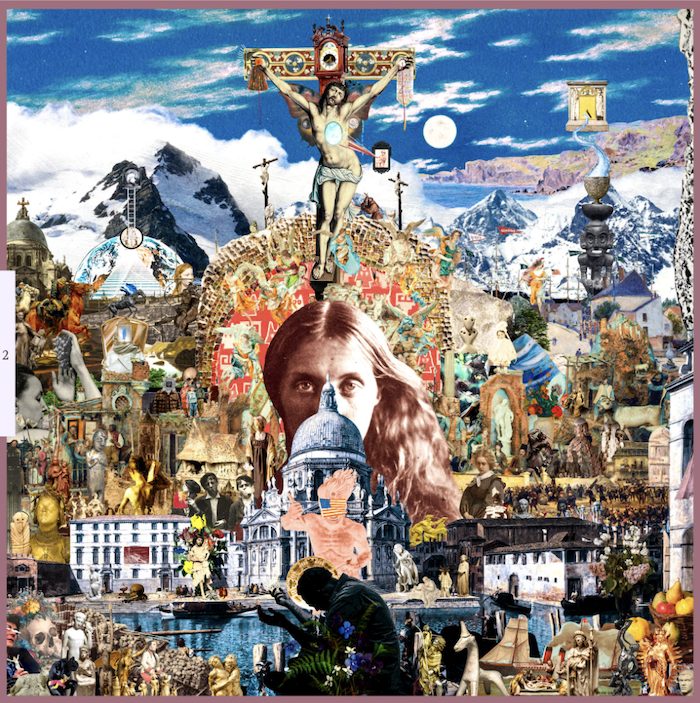
The distinctive aesthetic of Joyful Noise sets it apart from conventional worship music. Van Deusen calls the song sacred music, but it is not a product of contemporary Christian music, instead being worship filtered through a stained-glass indie-rock DIY folk aesthetic that draws on heroes from XTC and Sufjan Stevens to Nick Drake and Judee Sill and The Beach Boys. This distinctive aesthetic is significant, the song bringing genuine indie-rock craft and DIY exploration to its sacred subject, the influences of these sophisticated artists giving the worship music a depth and artistry beyond conventional contemporary Christian music. The stained-glass quality of the aesthetic reflects the sacred subject while the indie-rock DIY approach gives the song its artistic credibility, the combination creating something genuinely distinctive. This refusal to fit the mold of conventional worship music reflects Van Deusen’s artistic integrity, the sacred music being filtered through genuine indie-rock artistry.
The collaboration with Citizens enriches Joyful Noise. The track features the Seattle-bred, nationally acclaimed rock band Citizens, the collaboration bringing additional talent and energy to the song. As Van Deusen describes it, Joyful Noise featuring Citizens is the sound of his vision fully realized, the collaboration helping to bring the expansive, joyful quality of the song to its full potential. This collaboration reflects the rich, collaborative nature of the broader project, the album featuring an impressive array of collaborators and featured artists, the partnerships enriching the music. The involvement of Citizens gives Joyful Noise its full, realized sound, the collaboration helping to achieve the expansive joy that the song embodies.
Van Deusen’s distinctive artistry gives Joyful Noise its depth. A shape-shifting songwriter known for emotionally raw, hook-filled indie rock, Van Deusen blends vulnerability and faith and mental health themes with restless sonic exploration. As former frontman of the NPR-acclaimed band The Lonely Forest and a current member of Telephone Friends, with a career spanning from his Tooth & Nail Records tenure to a hardcore punk group to ambient collaborations, Van Deusen refuses to be boxed in. This restless, genre-smashing artistry informs Joyful Noise, the song reflecting his willingness to explore and his commitment to emotional honesty, the worship music benefiting from his genuine artistic depth and his refusal to be confined to any single genre.
The broader project that Joyful Noise belongs to reflects Van Deusen’s ambitious vision. The song is the third single from his forthcoming double album, a genre-smashing dose of exploratory worship music. Self-produced by Van Deusen with co-production from Nathan Cimino, the album was recorded with the same DIY ethos that has shaped every chapter of his career, the exploratory worship music reflecting his ambitious, boundary-crossing vision. This context positions Joyful Noise as part of a larger artistic statement, the single introducing the genre-smashing exploratory worship that the full double album will develop, the project reflecting Van Deusen’s commitment to bringing genuine artistry to sacred music.
The DIY ethos that defines Van Deusen’s work gives Joyful Noise its authentic character. Recorded with the same DIY ethos that has shaped his entire career, the song reflects Van Deusen’s commitment to authentic, independent creation, the DIY approach giving the music its genuine, unfiltered quality. This DIY foundation reflects Van Deusen’s artistic values, the music being a pure expression of his vision, the independent, hands-on creation giving the sacred music its authentic, personal character.
Joyful Noise is the sound of peaceful surrender and joyful faith, sacred music that celebrates letting go of the need to know and believing that one is loved. John Van Deusen has channeled a moment of overwhelming peace into an expansive, joyful track, the simple confession and the joy-breeding backbeat combining into worship filtered through genuine indie-rock artistry.
Letting go of certainty, resting in love, making a joyful noise in the face of mystery, John Van Deusen has made a song that finds peace in surrender. Joyful Noise is exploratory worship music of genuine artistry and depth, and its celebration of letting go and believing that we are loved offers a joyful peace to anyone weary of demanding answers to life’s deepest mysteries.