Down South Pepper band have sounded like they understand that a warning lands best when it comes with a grin. Shady Road, released July 1, 2026, turns wasted promise into a country rock tale that laughs at failure without pretending the consequences are harmless. The song watches people drift below their own abilities, disappointing relatives, friends, and themselves. Rather than delivering a sermon, DSP band choose melody, humor, and a rolling groove, letting the listener enjoy the ride even as the road bends toward regret.
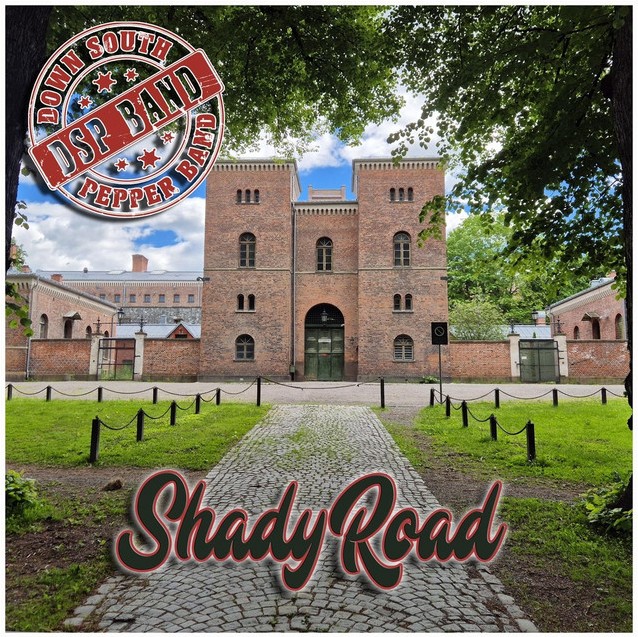
That balance between comedy and judgment gives the single its personality. Plenty of songs about self destruction arrive wrapped in solemnity, but Shady Road recognizes the absurd habits people build while insisting they are in control. The characters implied by the lyric are not monsters or tragic heroes. They are people making avoidable choices, wasting talent one excuse at a time, then acting surprised when the future starts collecting its debts. The band treats this behavior with amusement, though the amusement carries enough sting to make every laugh feel uncomfortable.
Rune Nyby’s vocal is central to that effect because the story needs a narrator who can sound entertained without becoming cruel. His delivery suggests someone who has seen this pattern, perhaps across barrooms, workplaces, families, and communities where reputations travel faster than change. Confidence in the performance keeps the song from sounding bitter. Nyby does not beg the subject to improve, nor does he exaggerate their downfall. He simply lays out the route with the calm assurance of a man who already knows where a shady road usually ends.
Per Øyvind Mathisen’s electric guitar gives the track its forward push, bringing country bite into contact with a rock pulse. The playing helps the humor move rather than sit heavily inside the lyric. Alexander Adrian and Eivind Kløverød keep the rhythm section lively, making poor decisions sound danceable before the meaning catches up. That contradiction is one of the song’s pleasures. The band lets momentum carry the listener past each warning sign, mirroring the way people often continue toward trouble because stopping would require admitting they chose the wrong direction.
Lars Rune Rebbestad’s steel guitar supplies the link to country tradition, but it does more than certify the genre. Its bends bring a sly ache beneath the brighter surface, hinting at the disappointment waiting beyond the joke. Steel guitar has long excelled at making regret sound beautiful, and here that quality deepens a song that might otherwise risk becoming novelty. The instrument stretches emotional distance between the person someone could have been and the person they settled for becoming, giving Shady Road a sadness it never needs to announce directly.
The band’s home in Kvalsund, in the north of Norway, adds a layer to their outlaw country identity. DSP band are not imitating an American landscape so much as adapting country storytelling to their own sense of place, distance, and community observation. Small villages notice patterns. Ambition, failure, loyalty, and disappointment rarely remain private when people know one another across years. That social closeness suits Shady Road, which feels less like an abstract character sketch than a story passed between neighbors who recognize the subject before anyone says a name.
There is a practical intelligence in making the tune catchy. A moral lesson becomes unbearable when the music behaves like punishment, and DSP band understand that listeners remember what they can hum. The melody allows the criticism to travel lightly, while the rhythm keeps the story accessible even for those who miss its sharper implications. This is not an accidental contrast between cheerful sound and darker content. It is the song’s device, using pleasure to lower defenses before the lyric reveals that the person being laughed at may resemble someone uncomfortably familiar.
Shady Road fits a long country tradition of turning flawed behavior into public theater. Country songs have always made room for gamblers, drinkers, liars, dreamers, and people who mistake stubbornness for character. DSP band contribute their own northern variation, less interested in romanticizing ruin than in observing how laziness and wasted ability harden over time. Their humor keeps the song from sounding self righteous, but it never excuses the central failure. Potential means little when it remains unused, and affection eventually wears thin when excuses become the only dependable habit.
With thirty five songs released, the band have had enough time to develop a recognizable instinct for narrative, melody, and polished ensemble playing. Shady Road benefits from that experience without sounding overworked. Each instrument has a clear role, and the arrangement leaves the vocal story room to breathe while maintaining enough movement for radio and live performance. The group’s international airplay and video exposure may broaden the audience, but the song’s appeal remains grounded in a simple truth. Nearly every community knows someone who could have done more and chose not to.
The final impression is not of catastrophe, but of a road gradually narrowing while the driver keeps telling jokes. DSP band leave us with that image because waste rarely arrives as one dramatic event. It accumulates through missed chances, broken promises, and the repeated comfort of tomorrow. Shady Road keeps the windows down and the rhythm bright, yet somewhere behind the steel guitar and easy laughter, the destination has already come into view. By then, the song suggests, even the funniest passenger may have stopped pretending the trip was going anywhere else.