There is a particular exhaustion embedded in the phrase should have, would have, could have, the specific weariness of a mind that keeps replaying decisions long after any real chance to change them has passed. Michael Allen builds his new single entirely around that exhaustion, and the title alone, rendered in its clipped, colloquial contraction, captures something genuinely accurate about how regret actually sounds inside someone’s head, not eloquent or poetic but repetitive and worn down through overuse. This is a song about doubt functioning as genuine antagonist, an internal adversary considerably harder to defeat than any external circumstance, since it lives entirely within the narrator’s own persistent, unwelcome thought patterns.
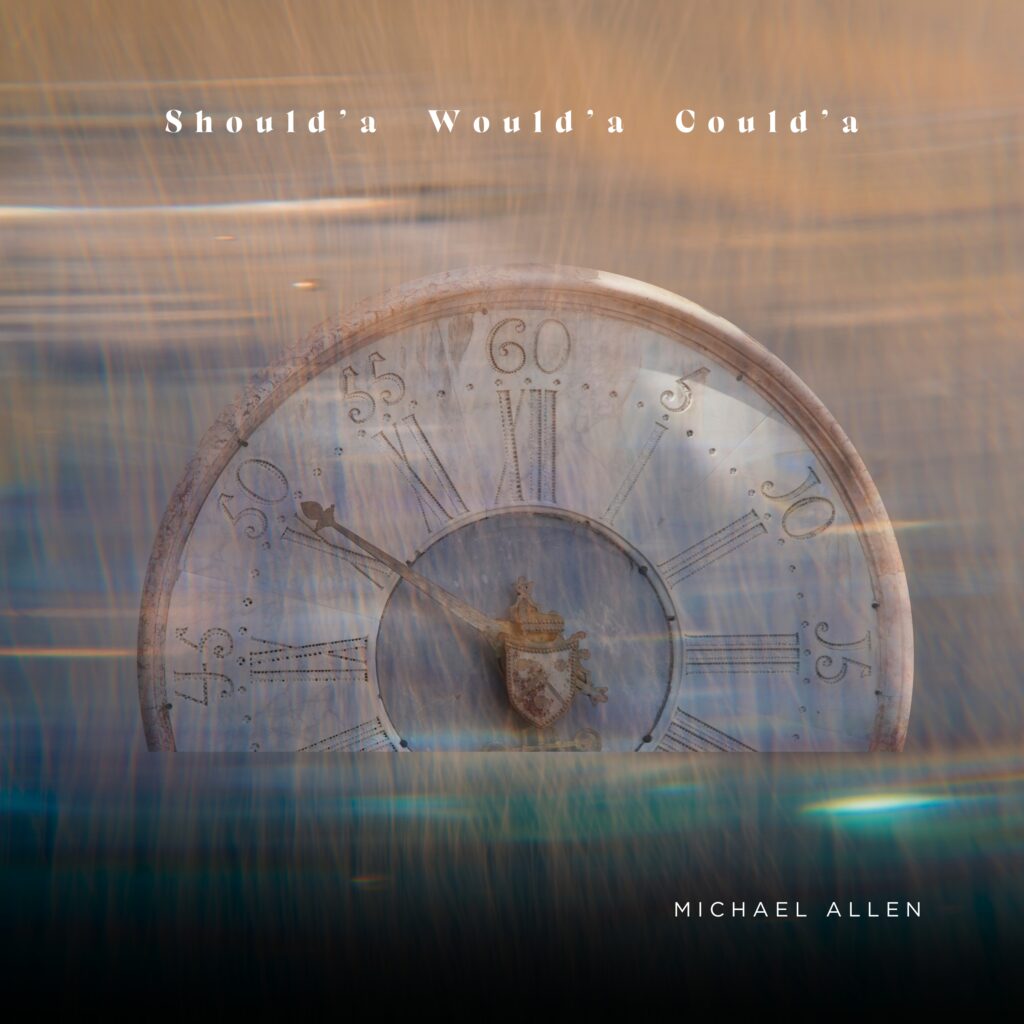
Allen’s vocal delivery throughout carries real weariness, described as a reckoning performance from someone still visibly dragging accumulated weight from decisions made long before the song’s actual runtime begins. That kind of vocal exhaustion is difficult to fake convincingly, and drawing comparison to storytellers like Johnny Cash and Leonard Cohen makes considerable sense here, since both artists built entire careers around vocal performances that communicated genuine lived difficulty rather than technically impressive but emotionally hollow delivery. Regret specifically demands this kind of worn, unglamorous vocal approach, since a narrator too polished or too composed while discussing genuine internal torment would undermine the song’s basic credibility before the actual lyrics even fully register.
Musically, the track builds its foundation from grounded, roots driven groove work, understated throughout its verses before arriving at a chorus that deliberately avoids functioning as genuine emotional release. That structural choice reveals real songwriting intelligence, since regret rarely resolves cleanly into catharsis in actual lived experience. Most people carrying genuine should have, would have, could have thinking do not experience some triumphant moment where that doubt suddenly lifts entirely. Instead the feeling simply continues, sometimes intensifying, sometimes receding slightly, but rarely disappearing through pure narrative resolution. Building a chorus that reads as resignation rather than release mirrors that actual psychological reality considerably more honestly than a more conventionally uplifting structural choice would have managed.
That push and pull between verse and chorus effectively becomes the song’s actual subject matter expressed through pure structural choice rather than lyrical content alone. Internal conflict between competing impulses, the desire to move forward against the persistent pull backward toward reconsidering past decisions, gets represented directly through how the music itself moves, verses holding back before choruses arrive without providing the expected emotional payoff a more conventional song structure might deliver instead. That alignment between structural choice and lyrical theme reflects genuine compositional care, understanding that a song about unresolved internal tension probably should not resolve too neatly on a purely musical level either.
Allen’s positioning within Americana and country’s broader storytelling tradition gives this particular song real genre appropriate context, since that tradition has always valued narrative songwriting willing to sit inside genuine discomfort rather than rushing toward easy resolution or simplified moral lessons. Artists like Willie Nelson and George Strait built considerable careers partly around exactly this kind of patient, character driven storytelling, trusting listeners to stay engaged through genuinely complicated emotional territory rather than requiring immediate, obvious payoff. Should’a Would’a Could’a fits comfortably within that established lineage, prioritizing honest emotional accuracy over more commercially convenient uplift.
There is something worth noting in how the song’s title itself, through its specific colloquial phrasing, immediately signals genuine narrative voice rather than more elevated poetic language. Should’a Would’a Could’a sounds like something someone might actually mutter to themselves during a genuinely difficult late night reckoning with old decisions, not a carefully crafted literary phrase designed primarily to sound impressive. That linguistic choice reinforces the song’s overall commitment to lived authenticity over polished artifice, matching its vocal performance and structural choices in prioritizing genuine emotional accuracy above more conventionally impressive songwriting flourish.
What gives this track real staying power beyond its immediate listen is how deliberately it resists offering listeners any clear resolution to the regret it explores throughout. Plenty of songs built around similar thematic territory eventually pivot toward some form of acceptance or forgiveness, offering listeners emotional closure by the final chorus. Allen’s approach here seems considerably more committed to sitting honestly inside unresolved difficulty, understanding that genuine regret often does not conclude with tidy narrative closure in real life either. That refusal to manufacture false comfort gives the song genuine emotional credibility, even if it makes for a considerably less immediately comfortable listening experience than more conventionally structured material might provide.
The described intersection between reflective storytelling and roots driven arrangement that defines Allen’s broader artistic approach shows up clearly throughout this particular single, prioritizing narrative substance and emotional honesty over more immediately catchy or commercially calculated songwriting choices. That commitment to substance over easy accessibility positions Should’a Would’a Could’a specifically for listeners genuinely drawn to introspective, story-first Americana songwriting, material built to reward close, attentive listening rather than simply providing pleasant background accompaniment.
By the time Should’a Would’a Could’a reaches its conclusion, Allen has built something considerably more substantial than a simple song about regret in the abstract, using genuine vocal weariness, structurally intentional resignation, and unpretentious, lived in language to capture something specific and recognizable about how doubt actually operates within someone’s ongoing internal experience. This is a song willing to let its central antagonist remain genuinely undefeated by the final measure, trusting that honest, unresolved difficulty ultimately carries more artistic weight than manufactured closure ever could. Sometimes the truest thing a song about regret can do is simply refuse to pretend that regret ever fully goes away.