There is something genuinely charming about naming a song directly after the actual housing estate where its frontman grew up, and Waterloo Road commits fully toward that specific, unpretentious tribute. The Cockney Cowboy, fronted by Justin Vella, built this track around genuine childhood memories from Romford’s Waterloo Housing Estate, celebrating exactly the kind of unstructured, technology-free mischief that defined pre-digital childhood for considerable generations before smartphones and social media fundamentally altered how kids actually spend their unsupervised time together.
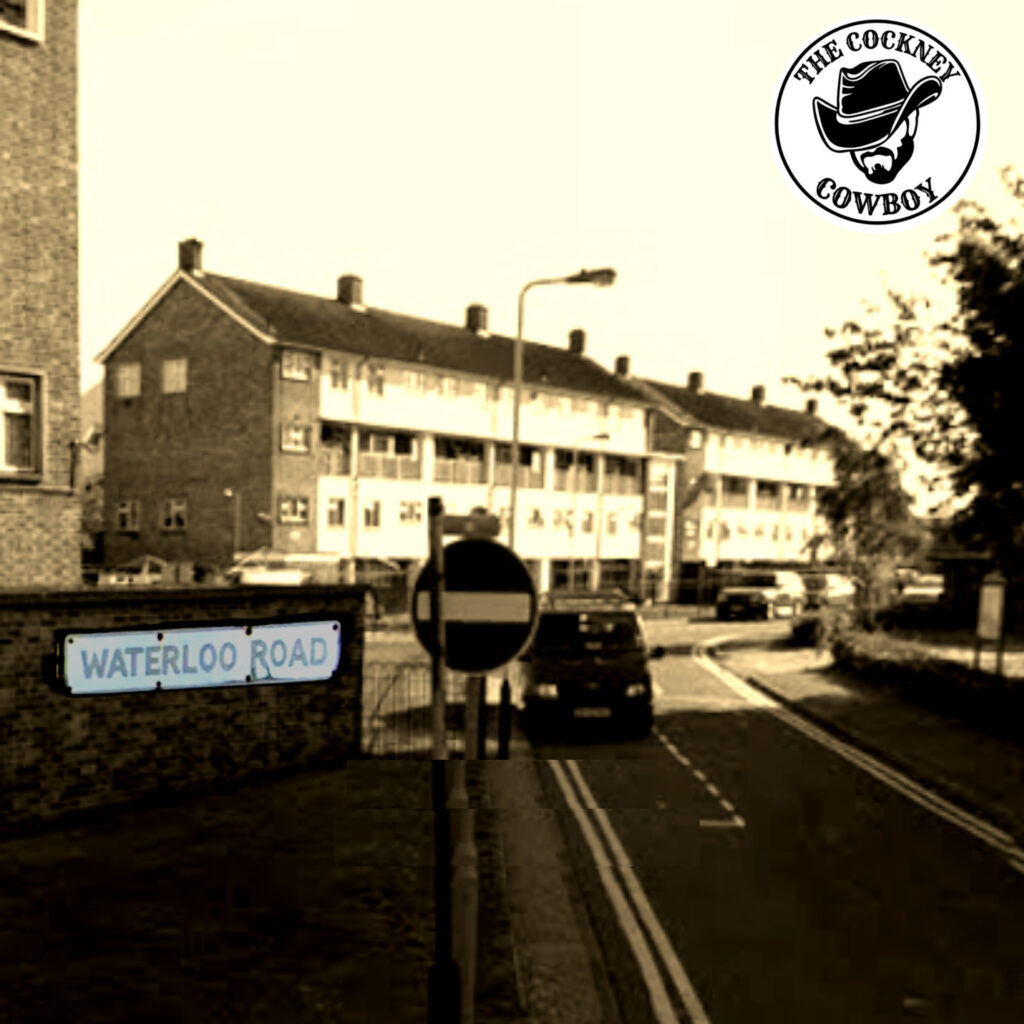
That specific nostalgic framing gives the song genuine universal appeal despite its considerably specific geographic origin point. Vella’s childhood experience, playing outside until streetlights signaled time toward heading home, getting into exactly the kind of harmless mischief parents today might genuinely balk at witnessing their own children attempt, apparently resonates broadly with listeners who recognize similar formative experiences regardless of whether they specifically grew up on that particular Romford estate themselves. That universality matters considerably for how effectively Waterloo Road translates beyond its immediate local context, using one specific location as vehicle for communicating considerably broader, widely shared generational experience.
Musically, the track blends genuine country influence alongside whatever broader sonic identity The Cockney Cowboy has established, and that particular combination becomes especially interesting given the band’s explicitly London-rooted identity and considerable British working-class background. Country music traditionally carries strong American regional association, and building genuine country flavor into material this specifically grounded within London council estate culture demonstrates real genre fluidity, suggesting Vella and his collaborators found genuine common ground between American country storytelling tradition and their own distinctly British working-class narrative content.
That country element owes considerable credit toward session musician Tobias Wilson’s pedal steel guitar contribution specifically, an artist who apparently discovered The Cockney Cowboy purely through social media before reaching out directly because he genuinely connected with the band’s particular creative vibe. That organic discovery and subsequent collaborative relationship speaks toward genuine authentic connection rather than calculated genre-blending strategy, suggesting Wilson recognized something genuinely compatible between his own pedal steel expertise and whatever musical direction The Cockney Cowboy was already pursuing before his involvement. Wilson’s broader professional reputation, providing remote session work bringing authentic country, Americana, and roots sounds toward artists working across considerably varied contexts, gives Waterloo Road genuine technical credibility regarding its specific country instrumental elements.
The core band lineup, featuring producer and lead guitarist Dave Wright of MusicTecAV alongside Dave De Bass on bass and Steve Henderson on drums, apparently built this track’s foundation before Wilson’s pedal steel contribution added that additional distinctive textural layer. Recording specifically at MusicTecAV’s own studios, with Wright handling both production and lead guitar duties simultaneously, suggests genuine hands-on creative control extending across multiple aspects of the track’s actual construction, an intimate, self-contained production approach fitting naturally alongside material this personally rooted within Vella’s own specific childhood experience.
What gives Waterloo Road genuine practical reach beyond simple streaming consumption is its connection toward an entirely separate creative community through Michelle from Monteray Liners, who apparently created a specific original line dance choreographed directly for this particular track, now available through the established line dancing platform CopperKnob. That development gives the song genuine additional cultural life extending well beyond typical passive listening experience, positioning Waterloo Road within considerable dance community context where audiences actively engage with the material through physical movement and shared choreographed performance rather than purely passive listening alone.
There is something worth noting in how UK Country Radio specifically has already embraced Waterloo Road, describing the track directly as genuine trip down memory lane, that particular characterization matching precisely the song’s own stated thematic intention regarding celebrating nostalgic childhood memory. That kind of direct radio recognition and endorsement gives the single genuine industry validation extending beyond pure independent release context, suggesting real crossover appeal connecting toward country radio’s established audience despite the band’s distinctly London-based, working-class origin story that might initially seem somewhat unconventional within typically American-dominated country radio programming.
Vella’s broader performance activity, described as appearing both solo and alongside his full band across considerable ongoing gig dates, suggests genuine sustained live performance commitment extending beyond simply this particular recorded single. That continued live presence gives Waterloo Road additional context within a broader, actively developing artistic career, an artist genuinely building sustained audience connection through consistent performance rather than relying purely on recorded output alone toward establishing his musical identity.
By grounding genuinely specific, personal childhood memory within accessible, broadly relatable nostalgic framework, while incorporating authentic country instrumental elements through genuine organic collaborative discovery, The Cockney Cowboy has built Waterloo Road into a single that succeeds specifically through its combination of local specificity and universal emotional resonance. This track celebrates something considerable listeners across different backgrounds and locations can genuinely recognize, that particular freedom and mischief characterizing childhood before digital technology fundamentally reshaped how young people actually spend their unsupervised time. Named directly after the actual estate where Vella grew up, Waterloo Road transforms one specific London housing community into something considerably more universally accessible, proving that genuine, specific personal memory often connects more powerfully with broad audiences than more deliberately generic, universally targeted songwriting ever manages to achieve instead.