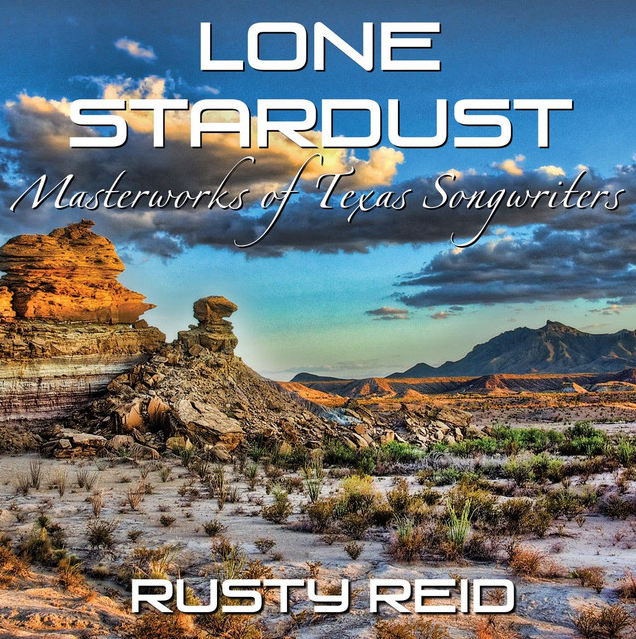
Breathing fresh life into a beloved, universally recognized pop masterpiece without diluting its original magic requires an extraordinary level of artistic taste and respect. When a song has already topped global charts and become embedded in the collective cultural consciousness, attempting a modern rendition can easily backfire if an artist tries too hard to overhaul the arrangement. American indie folk-country-rock singer-songwriter Rusty Reid completely avoids that common trap on his radiant rendition of Johnny Nash’s timeless classic I Can See Clearly Now. Featured as a standout single off his album Lone Stardust Masterworks of Texas Songwriters, the track originally arrived in late April, followed by a vibrant music video release in late August. The result is a heartwarming, sunshine-filled celebration of Texas songwriting heritage that honors the original’s joy while infusing a distinctly authentic indie rock spirit.
The historical significance of the original composition runs deep through American music lore. When Houston native Johnny Nash unleashed his iconic anthem back in 1972, it soared to the top of the charts, serving as the very first introduction to reggae rhythms for millions of listeners across the United States. Over two decades later, reggae legend Jimmy Cliff scored another massive global hit with his own faithful rendition, cementing the song’s reputation as a timeless pop treasure. For Reid, selecting the track for his tribute project was an absolute no-brainer, viewing it as the epitome of perfect pop craftsmanship. It possesses a jaunty, highly original arrangement, simple yet surprisingly deep lyrics, an unforgettable melody, and a wise, uplifting message that continues to offer comfort across generations.
Before stepping into the recording booth, the veteran songwriter carefully studied dozens of previous cover versions spanning folk, rock, slow ballads, and lush orchestral arrangements. He quickly realized that whenever artists tried to make the song overly edgy or dramatic, they accidentally killed the most essential element of the original recording: its honest, infectious joy. Recognizing that Nash’s bouncy, original arrangement was fundamental to its charm, Reid made the conscious decision to stay true to that classic template while allowing his own natural voice and instrumental style to shine through naturally.
To construct the backing track, Reid enlisted the talents of Nashville arranger and multi-instrumentalist Jed Demlow, who delivered an instrumental track that blew the singer away with its vibrant accuracy and kinetic energy. When it came time to cut the lead vocals, Reid chose a delightfully unpretentious, human approach. Steering completely clear of modern auto-tune or heavy digital pitch correction, he relied on a clean double-tracked vocal performance that preserves every subtle nuance and natural texture of his natural timbre. During the famous bridge section, where Nash originally held soaring, extended notes, Reid offers a simpler, unforced delivery that feels grounded, intimate, and deeply sincere.
What truly seals the track as a signature Rusty Reid performance arrives during the third verse and soaring outro section. Reaching for his trusted 1966 Gibson ES 330 electric guitar, the Texas artist injects warm, vintage tube-driven licks directly into the arrangement. The iconic hollow-body guitar tone weaves around the bouncy reggae rhythm section, adding a subtle touch of roots-rock grit that bridges the gap between classic seventies pop and timeless Americana. It creates a delightful sonic contrast, demonstrating how a subtle personal touch can rejuvenate a classic composition without distracting from its timeless core.
The release of the accompanying music video in late August added another visual dimension to the track’s sunny optimism, arriving right when listeners needed a refreshing boost of positivity. The visual treatment mirrors the unpretentious, feel-good nature of the audio recording, showcasing an artist who simply loves the craft of making music and honoring the songwriters who paved the way. In a modern music landscape often dominated by cynical themes or hyper-processed electronic beats, Reid’s straightforward, joyful tribute arrives like a bright ray of sunshine clearing away heavy storm clouds.
Preserving such an authentic, organic feel in a contemporary recording speaks volumes about the artist’s dedication to genuine musicianship. The master mix leaves plenty of breathing room around the percussive shakers, warm basslines, and crisp guitar strumming, ensuring every element hits with natural warmth and clarity. Listeners can feel the physical movement of the rhythm section, making the playback feel like a private, live living room performance staged by a master storyteller. This transparent technical balance highlights a musician who understands that true production magic comes from human chemistry and passion rather than studio tricks.
As part of the broader Lone Stardust project, the single serves as a heartwarming reminder of the profound songwriting legacy emerging from the Lone Star State. By shining a bright light on Johnny Nash’s genius while delivering a relaxed, infectious performance, Reid celebrates the enduring power of classic American music. His thoughtful, unhurried approach offers a refreshing sanctuary for music lovers who appreciate timeless melodies, honest vocals, and unvarnished optimism.
Surrendering to the final decaying Gibson guitar notes leaves a warm, comforting glow lingering softly in the quiet room. The bouncy rhythm section slowly fades away into a peaceful silence that compels you to smile and take a deep, optimistic breath. I Can See Clearly Now succeeds in its noble artistic mission, delivering a heartwarming, unforgettable cover version that proves when an artist approaches a classic song with love, respect, and absolute honesty, the bright sun will always shine through.