Transforming profound national grief into an enduring international anthem of healing requires a rare blend of psychological insight, spiritual empathy, and timeless musical craftsmanship. When collective tragedy strikes, leaving communities disoriented and heartbroken, art often becomes the vital sanctuary where we process loss and rediscover our shared humanity. Written by psychologist, Ground Zero first responder, and musician Dr. Judy Kuriansky alongside composer, pianist, and singer-songwriter Russell Daisey, the moving composition titled Towers of Light stands as a towering testament to human resilience. Originally inspired by the aftermath of September 11, the song continues its world-spanning journey, offering comfort, solace, and a message of hope across five continents.
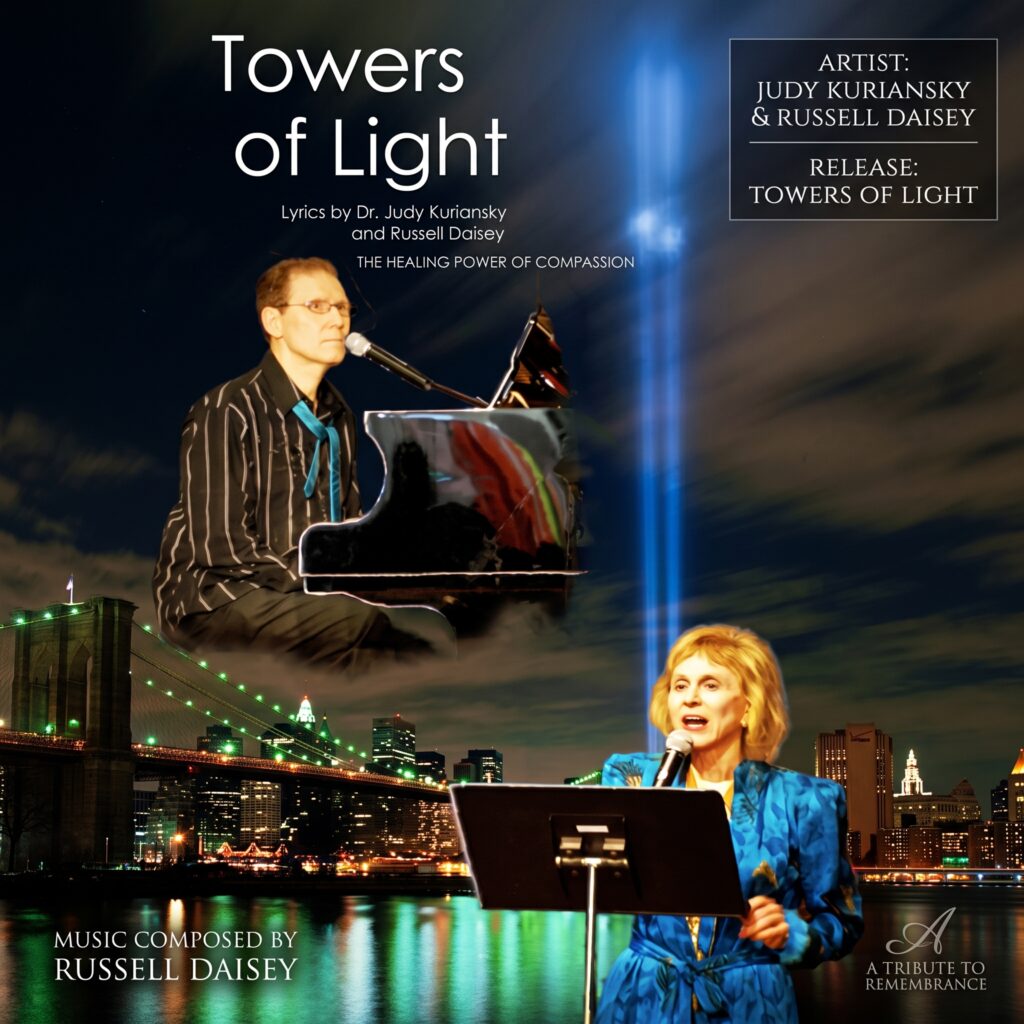
The deep emotional core of the piece was forged directly in the fires of firsthand experience. Following the collapse of the Twin Towers, Dr. Kuriansky served for months as a Red Cross mental health responder at Ground Zero and the Family Assistance Center, providing psychosocial support to firefighters, police officers, rescue workers, and grieving families. Six months later, when the iconic Tribute in Light installation cast two brilliant vertical beams across the Manhattan skyline, the visual image struck a profound chord. Challenging her Columbia University students to create works that could help the nation heal, she partnered with Daisey to compose an anthem that confronted trauma while offering an uplifting path toward emotional recovery.
What elevates the composition into a timeless masterpiece is its deliberate universal message. Rather than remaining bound strictly to a single historical event, the songwriting acknowledges the deep disorientation of loss while using the metaphor of light rising above darkness to speak to human suffering in all its forms. The music balances gentle, reflective piano passages against soaring vocal arrangements, constructing a wide-open acoustic sanctuary where listeners can honor those who were lost, recognize those who served, and find the strength to rebuild their lives.
Over the past two decades, the song has developed a remarkable global life, connecting communities across war zones, natural disasters, and international peace initiatives. A particularly historic moment occurred in 2006 at the First Hiroshima International Peace Summit in Japan. Performing the track on stage at the piano alongside vocalist Neil Walsh, Daisey and Kuriansky shared their message in the presence of Nobel Peace Laureates including His Holiness the Dalai Lama, Archbishop Desmond Tutu, and Betty Williams. The performance drew profound praise, with the Dalai Lama describing the piece as immensely powerful, while Betty Williams expressed her desire to share its message before her global addresses.
The composition subsequently built an enduring cultural bridge between the United States and Japan. Following their Hiroshima appearance, the duo brought their music to Nagasaki, Fukushima, and Tokyo, collaborating with Japanese artists like Shinji Harada and soprano Tomoko Shibata. Translated into Japanese, the anthem took on new life following the devastating 2011 earthquake, tsunami, and nuclear crisis, serving as a beacon of comfort at charity events supporting children orphaned by the disaster. From Hudson River lantern ceremonies in New York to sacred spaces across Buddhist, Christian, and Jewish traditions worldwide, the work has transcended cultural boundaries to foster genuine international reconciliation.
The definitive recording of the track, produced and arranged by James A. Manno at JAMMAN Productions Studio, captures the full dynamic majesty and tender vulnerability of the composition. Manno’s pristine studio arrangement keeps the intimate piano chords and warm vocal leads front and center, layering lush orchestral textures that swell with patient, natural grace. The master mix preserves an incredible degree of spatial headroom, allowing every delicate vocal inflection and soaring dynamic build to resonate with pristine clarity and unvarnished truth.
Performed at over one hundred and seventy ceremonies globally, including memorial gatherings at Pearl Harbor and the United Nations, the piece remains an indispensable tool for healing and human connection. It reminds us that while physical structures may fall and circumstances may tear at the fabric of our daily lives, the human spirit possesses an inexhaustible capacity to support one another, remember our roots, and look toward the future with courage.
As listeners around the world continue to discover this extraordinary anthem, its message shines brighter than ever. It offers a comforting, therapeutic reminder that no matter how deep the night may feel, light will always break through the shadows to guide us home.
Surrendering to the final decaying piano chords and soaring vocal harmonies leaves a profound, peaceful stillness hanging softly in the quiet room. The ambient instrumental resonance gradually tapers off into a serene silence that invites deep self-reflection, gratitude, and a renewed commitment to global peace. Towers of Light achieves its noble artistic mission with quiet, radiant grace, delivering an essential, heartwarming anthem that proves when love and music combine, hope will always prevail.