
The Dye’s Helen has the makings of a song you put on when the evening has slipped beyond its original plans. Released on July 10, 2022, it brings together Eudora’s intimate vocals, haunting guitar riffs and lush synthesizers within a dark, psychedelic setting. The New York City band describe it as holding some of their singer’s deepest secrets, an intriguing invitation that leaves the particulars private. That privacy suits the premise. There is pleasure in encountering a song that offers emotional intensity while leaving listeners to decide how close they want to get.
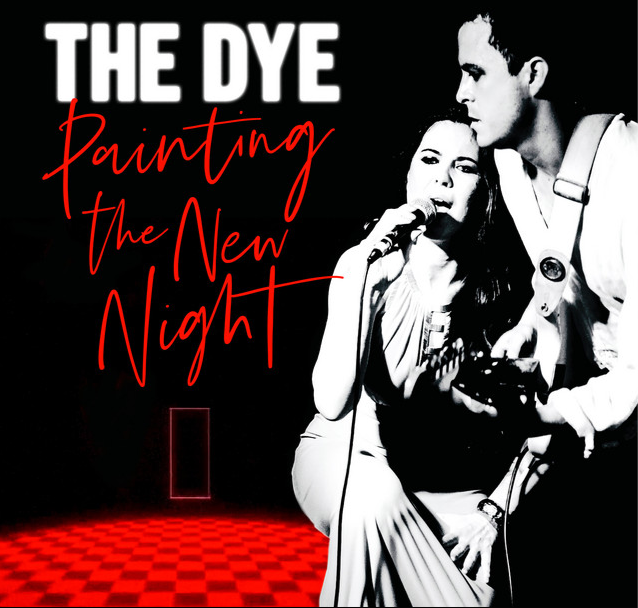
Conceived by Bruno and Eudora, The Dye work with an alternative rock vocabulary that accommodates both force and atmosphere. Commanding vocals and fervent guitar playing are central to their identity, alongside an interest in experimental textures and psychedelic colour. On Helen, the combination points towards a more inward experience, with the closeness of the voice set against surroundings that suggest uncertainty. Its appeal begins with that relationship between proximity and distance. Someone is near enough to confide in you, yet the confession retains corners you cannot quite see, giving the song an inviting sense of incompleteness.
The title contributes to that feeling without requiring an elaborate explanation. Helen gives the music a name, but the background provided by the band leaves the identity behind it unresolved. A person, a memory or an imagined presence could occupy that space for a listener. The useful thing about such openness is how quickly it becomes personal. Names carry associations before a song supplies any of its own, and Eudora’s emphasis on private intensity encourages that exchange. The listener brings a history; the music offers a place where parts of it might unexpectedly return.
Her raw, intimate vocal approach is the clearest human point within the arrangement. A close vocal can make a song feel less like a performance addressed to a room and more like an encounter with somebody whose guard has shifted. That is especially effective when the subject involves material the singer considers deeply private. There is tension in allowing an audience near something without explaining every circumstance that produced it. Eudora’s role gives Helen an emotional centre, keeping the dark surroundings connected to a person with something at stake rather than allowing atmosphere to become the entire attraction.
The guitars and synths give that intimacy somewhere more expansive to travel. Haunting riffs supply an unsettled character, while the lush electronic elements broaden the setting around the voice. Their pairing makes sense within the band’s psychedelic interests: guitar can provide an immediate physical presence, and synthesizers can suggest a space whose edges are harder to locate. The description of hypnotic movement is particularly apt for this approach. It implies music that holds attention through continuity, encouraging listeners to remain inside a feeling long enough for their relationship with it to change.
The band’s history offers another way into that musical identity. Berklee alumni who found a defining creative environment in New York’s late nights, The Dye have played hundreds of shows within the city’s underground alternative rock scene. That experience suggests a working relationship with audiences, built through the practical demands of performing repeatedly. Songs have to occupy a room, and musicians learn how people respond to tension, volume and presence. Even when a recording pursues intimacy, that background matters. It gives the band a foundation in making an encounter happen between performers and listeners.
Helen was recorded at Flux Studio with Grammy-winning producer Damon Whittemore. The setting and collaboration place the track within a considered recording process, although the most interesting detail remains what the band wanted to bring into that process. Their account emphasises movement, vulnerability and a mysterious emotional atmosphere. Those are qualities that depend on how the parts relate to one another, particularly when a vocal needs to remain close while the instrumentation reaches elsewhere. The song’s premise gives the production a clear purpose: create room for intensity without explaining away the secrets that lend it weight.
The Dye’s WITHYN Records debut album, Painting The New Night, gives their wider aesthetic a fitting title. Night is a useful setting for music interested in shadow and altered perception, partly because familiar places can acquire a different character after dark. The band’s attachment to New York provides a lived background for that imagery. Their project grew through evenings spent performing and inhabiting the city’s underground scene. That connection makes their darker artistic interests feel grounded in experience, with the theatrical possibilities of alternative rock meeting the less tidy atmosphere of an actual working night.
Their newer work takes them to London’s Strongroom studios, where they are developing an album with Gareth Jones, whose credits include Depeche Mode. It is an intriguing next setting for a band already interested in the meeting of guitars, electronics and expressive vocals. For now, Helen remains a revealing doorway into their imagination. Its intimacy carries a trace of danger, and its mystery has a human source. The invitation to listen on headphones feels appropriate: give the voice your attention, leave the room behind for a few minutes, and let the unanswered parts remain unanswered. Eudora has opened the door far enough.


