There are albums that entertain and albums that transform, and Bastion’s Wake’s Go Tell the Bees falls squarely into the latter. Released on November 4, 2025, the Wilmington-based band’s ten-track odyssey is an immersive blend of melodic death, doom, and symphonic power metal, combining the ferocity of their roots with a cinematic elegance that feels both ancient and modern. It is an album born from loss, resilience, and mythology, channeling grief into something transcendent.
From the very first moments of Motanka, the band sets a tone that feels ritualistic. The song unfolds like a chant to the gods of sorrow and rebirth, its melodies coiling through layers of heavy guitars and haunting orchestration. Vocalist and songwriter Sami commands the soundscape with a voice that oscillates between angelic clarity and raw emotional catharsis, guiding the listener through a world that feels sacred, wounded, and defiant. Paired with Ray’s intricate guitar work, which shifts effortlessly from melodic phrasing to blistering technicality, the album becomes a study in contrasts—beauty and brutality, intimacy and grandeur, despair and defiance.
Bastion’s Wake has always stood apart for their ability to fuse styles without losing their identity. Their roots in melodic death metal provide the foundation, but Go Tell the Bees ventures far beyond the genre’s borders. The result is lush and atmospheric, weaving symphonic elements with doom-laden heaviness and moments of serene acoustic reflection. Each track feels like a chapter in a larger story, linked by recurring motifs of transformation and communication between worlds—between life and death, human and nature, grief and acceptance.
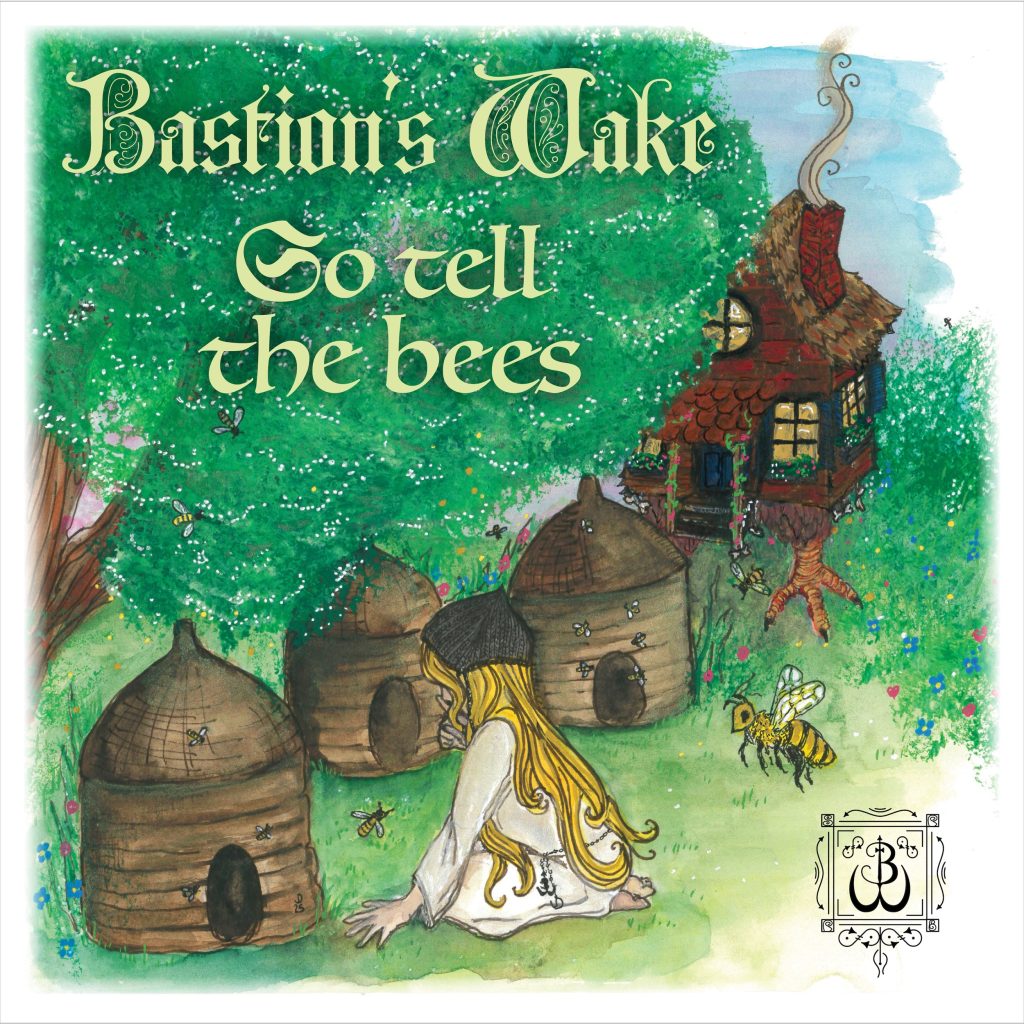
The album’s title draws inspiration from an old European tradition known as “telling the bees,” where mourners would inform beehives of a loved one’s passing so that the bees would not abandon the household. It’s a ritual that speaks to connection and continuity, the idea that even in death, communication must persist. Bastion’s Wake take that folklore and turn it into a profound meditation on memory and mourning. The third track, (Don’t) Tell the Bees, captures this perfectly—a delicate balance of sorrow and strength wrapped in cascading guitars and orchestral undertones. Sami’s vocals shimmer like light over a stormy horizon, singing of love that lingers long after its loss.
Much of the album’s power comes from its emotional honesty. Tracks like Tiny Box and This Is Home reveal a tenderness beneath the heavy riffs, exploring vulnerability in a way that feels both personal and universal. The production, handled by Øysten G. Brun of Borknagar in Norway, gives every instrument room to breathe, allowing the band’s symphonic textures and melodic intricacies to shine without losing the grit that defines them. The mix is rich and expansive, creating a sound that feels like standing inside a cathedral made of distortion and light.
On Pathos, the band leans into their doom influences, crafting a slow-burning anthem of sorrow that builds toward an explosive crescendo. The rhythm section—anchored by Rob Westbrook’s thunderous drumming and Ben’s resonant bass—grounds the track in a deep, primal pulse. It’s the sound of grief becoming strength, of pain finding purpose. Then there’s Lighthouse, a soaring moment of clarity and hope that offers reprieve in the storm. The song radiates warmth without losing the melancholy that threads through the entire record, reminding listeners that even the darkest waters reflect light.
Run Away brings a sense of urgency and motion to the album’s center, its tempo shifting like a heartbeat racing against time. Ray’s guitar work is at its sharpest here, full of fluid solos and layered harmonies that weave seamlessly around Sami’s soaring melodies. The interplay between the two musicians is striking—each note feels intentional, each transition purposeful. It’s a testament to how far Bastion’s Wake have come since their early days, when limited resources forced them to innovate through programmed percussion and stripped-down arrangements. What began as a constraint has evolved into one of their greatest strengths: a meticulous attention to detail that gives every sound a sense of narrative weight.
By the time Nimue arrives, the album slips into the realm of myth. Drawing its name from the Lady of the Lake in Arthurian legend, the song feels like an invocation—a moment of calm before the final storm. Sami’s ethereal vocals float over shimmering acoustic passages before giving way to a finale that is both crushing and transcendent. It’s the perfect lead-in to Sunflower, the closing track that feels like sunrise after a long night. Where the album begins in darkness, it ends in radiance, finding beauty in impermanence. The final notes linger like an exhale, a farewell that doubles as a beginning.
What sets Go Tell the Bees apart is not just its technical mastery, but its emotional resonance. Bastion’s Wake have created something rare in modern metal: a record that feels deeply human. It’s heavy, yes—but it’s also compassionate. The themes of grief, healing, and the interconnectedness of life and death give the album an almost spiritual dimension. It’s a reminder that metal, at its best, is not merely about aggression but about catharsis—the release of emotion too large to contain.
In a landscape where many bands chase speed or spectacle, Bastion’s Wake have chosen storytelling and sincerity. They are a band that builds worlds, not just songs, and Go Tell the Bees is their most fully realized world yet. It’s an album that will resonate with anyone who has ever lost, loved, or tried to make sense of both at once.
As the final echoes fade, one thing is clear: Bastion’s Wake have delivered more than just a collection of songs—they’ve offered a sanctuary. Go Tell the Bees is a hauntingly beautiful requiem for grief and a declaration of hope. It’s the sound of a band that has found its voice, ready to speak to the living, the lost, and everything in between.