In a world dominated by high-decibel pop and digital spectacle, there is something profoundly moving about a song that chooses to whisper. James A. Rocco, a Broadway titan and recording artist with over five decades of storytelling under his belt, has built a career on the grandest of scales—from appearing in CATS to directing over 200 productions. Yet, his latest release, “Could It Be Love,” which arrived on February 17, 2026, finds its power in restraint.
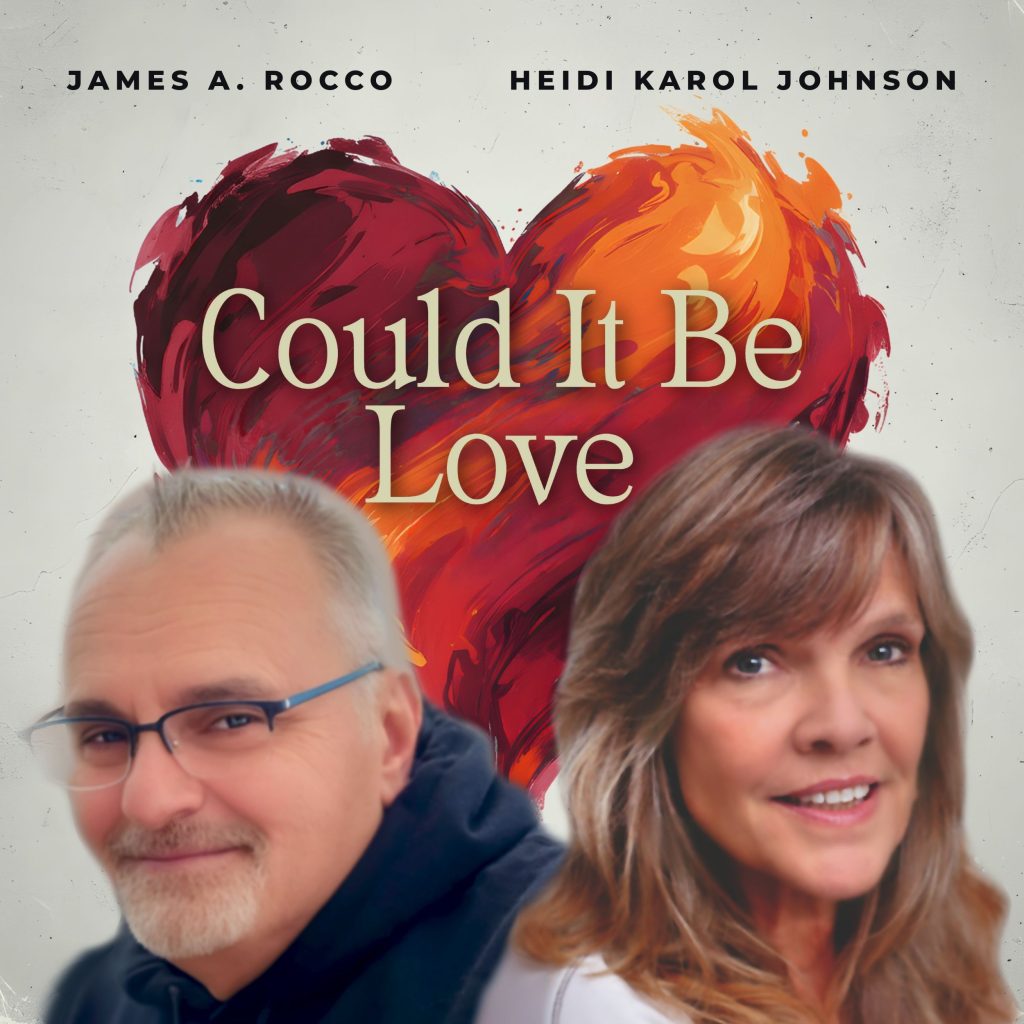
The track is a luminous pop duet featuring Heidi Karol Johnson, a piece of “lost” history originally recorded in the 90s for an unfinished indie film called Rainy Days. Now surfacing as part of the Legacy Series via Thirty Saints Records, the song hits that sophisticated Adult Contemporary sweet spot reminiscent of The Carpenters or Michael McDonald. It isn’t just a song; it’s a quiet conversation between two friends navigating shifting ground.
We sat down with the legendary James A. Rocco to discuss the magic of these rediscovered tapes and the timeless shimmer of a duet built on pure trust.
The Interview with James A. Rocco
James: Some songs don’t age; they just wait for their moment. In an era where everything is so loud and fast, “Could It Be Love” felt like a necessary breath of fresh air. It’s luminous and quiet. After years of focusing on large-scale theatrical productions and the Songbook Series, I looked back at the Rainy Days archive and realized this story of two friends realizing the ground is shifting beneath them is more relevant than ever. It was time for it to step out of the shadows.
James: It comes down to restraint. When Heidi, Albert Evans, and I wrote this, it was born from a “shared good fortune” session. There’s no “featured artist” energy here. It’s a true duet. We didn’t try to out-sing each other; we listened to each other. Even in the remastering process for 2026, we were careful not to over-produce it. Sincerity matters more than spectacle, and that’s a philosophy I’ve carried from Gold Star Studios in my teens all the way to Carnegie Hall.
James: Absolutely. Every time I hear those opening notes, I’m back at The Rock with Gary Pozner and Warren Rosenstein. There was a unique synergy between the three of us. Albert was my longtime partner and a brilliant writer, and Heidi has this incredible ability to convey complex emotions with a single breath. That “shared good fortune” wasn’t just about the writing; it was about the trust we had in one another. You can’t manufacture that kind of chemistry.
James: The 90s indie scene was all about the “find.” It was about uncovering the truth in a melody. Working with someone like Gary, who has that incredible pedigree, taught me that even the most “pop” sounding tracks need a solid emotional foundation. When I moved into roles like Producing Artistic Director at The Ordway, I brought that sensibility with me. Whether I was directing West Side Story or In the Heights, I was always looking for that “sophisticated” core that makes a song stay with an audience long after the curtain falls.
James: On Broadway, you learn very quickly that you are only as good as the person standing next to you. Whether it’s playing Judas in Jesus Christ Superstar or The Witch in Into the Woods, it’s a collaboration. In the booth for “Could It Be Love,” Heidi and I weren’t two individuals; we were one sound. That’s the “sweet spot” we were aiming for—that Michael McDonald or Carpenters vibe where the blend is the most important thing.
James: I tell them that their “lost” projects aren’t failures—they’re archives. Rainy Days never being finished used to feel like a disappointment, but now it’s provided the material for this series. My advice to creators at Thirty Saints Productions is to always honor their original performance and to have the courage to wait for the right moment. Your artistry is a long game. I’ve been at this for fifty years, and I’m still discovering new things about songs I wrote decades ago.
James: I laughed! Phil is a legend, and he got so into the spirit of the track that he just followed his instinct. He dared me to tell him to take it off, but the moment I heard it, I knew he was right. That Stratocaster added a timeless shimmer that really lifted the final choruses without breaking the intimacy of the duet. It was the perfect 2026 touch on a 90s soul.
James: It would be a very still moment. Probably two people sitting on a porch or at a kitchen table late at night. The lighting would be soft—luminous, like the song. No big dance numbers, just the shifting of a chair or a look shared between friends. The bridge is where they realize that “Could It Be Love” isn’t just a question, it’s a turning point.
James: It taught me about the leadership of “letting go.” Sometimes being a leader means stepping back and letting the work speak for itself. Remastering these tapes was about honoring the restraint of the original performance rather than trying to fix it with modern bells and whistles. True leadership in art is about protecting the integrity of the vision, even if that vision was captured thirty years ago.
James: Definitely. A song like “Could It Be Love” allows the listener to become the director. They get to decide what happens to these two friends. By releasing this as part of the Legacy Series, we’re giving the music a second life that isn’t tied to a specific script. It’s a testament to the fact that some songs don’t actually age—they just wait for the right moment to find a new audience.
Summary
James A. Rocco’s release of “Could It Be Love” is a masterclass in the art of the “slow burn.” By rescuing this track from the Rainy Days archives, Rocco and Heidi Karol Johnson have provided a hauntingly beautiful reminder that the most powerful stories are often told in the quietest voices. With the expert touch of Phil Klum and the historical weight of Rocco’s five-decade career, this single stands as a highlight of the Legacy Series—a timeless shimmer that proves sincerity never goes out of style.