Exclusive Interview: Gratitude with Evidence — Inside the Afrosound Architecture of Zutyladon
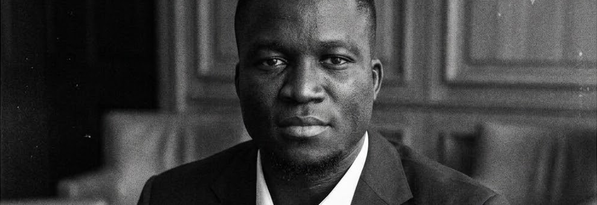
We sat down with award-winning Nigerian Afrobeat, Afrofusion, and Afrodancehall artist Zutyladon to talk about his electrifying new single, “Ihe Oma” (released August 15, 2026). Known as the “Afrosound Architect,” Zutyladon holds deep roots in Eastern Nigeria as a festival host for the annual Ngboejeogu Deejhe Carnival and a traditional chieftaincy title holder—Okpara Ngboejeogu—honored by […]
We sat down with award-winning Nigerian Afrobeat, Afrofusion, and Afrodancehall artist Zutyladon to talk about his electrifying new single, “Ihe Oma” (released August 15, 2026). Known as the “Afrosound Architect,” Zutyladon holds deep roots in Eastern Nigeria as a festival host for the annual Ngboejeogu Deejhe Carnival and a traditional chieftaincy title holder—Okpara Ngboejeogu—honored by the Ngbo people. Having shared stages across major circuits with African giants including Burna Boy, Wizkid, Davido, Phyno, Zoro, and Runtown, he has built a reputation for bringing rich Igbo culture straight to global dancefloors.
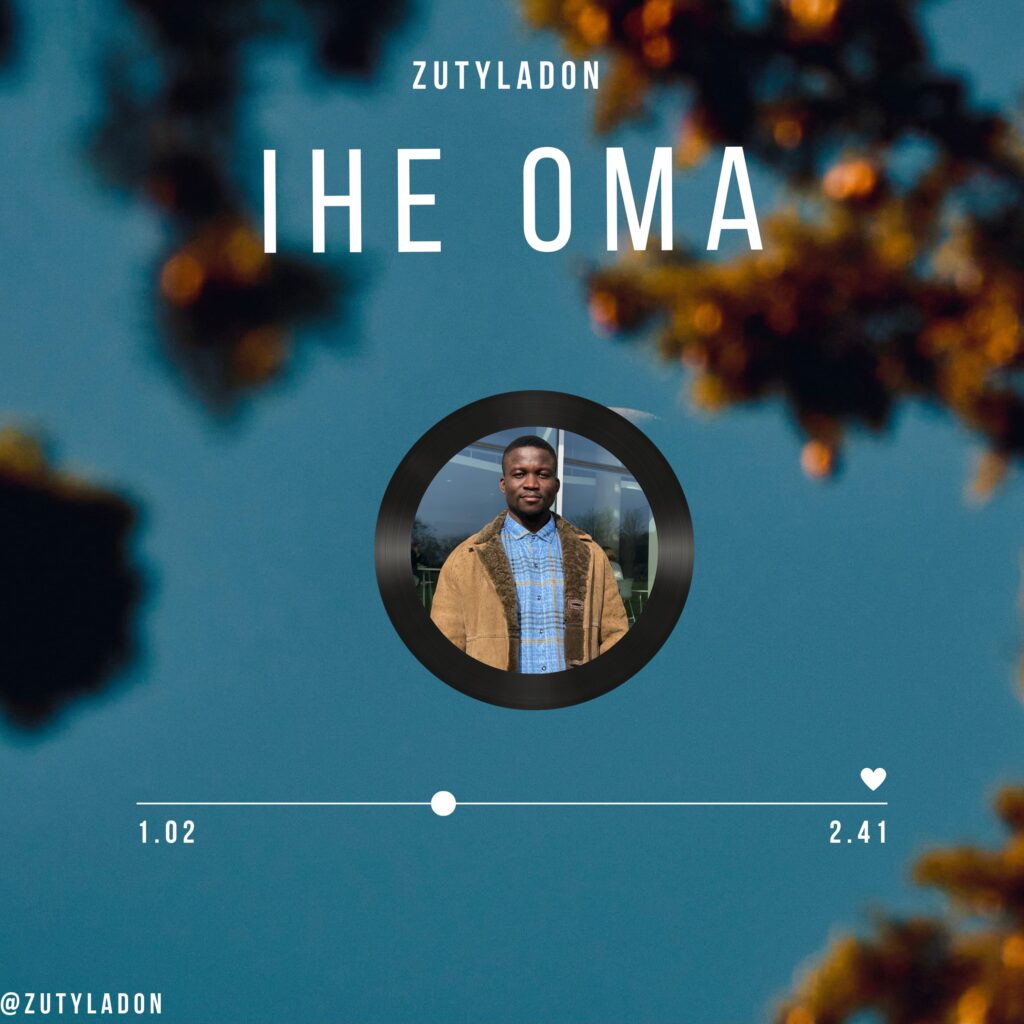
Following streaming favorites from his 2022 album Joyful Genesis like “Igbadun” and “Iseee,” “Ihe Oma” marks his first official single release since moving to the UK. Meaning “Good Things,” the track is a vibrant, feel-good anthem that bridges devotional gratitude, traditional Highlife DNA, and modern Afrodancehall bounce. Below, Zutyladon opens up about his journey from the 2017 Lagos hustle to his UK wins, carrying cultural responsibility, and using his music to prophesy prosperity over every listener.
Interview with Zutyladon
Zutyladon: It came from testimony. I was a campus and regional celebrity during my undergraduate days, performing in Ebonyi, Enugu and Anambra states in Eastern Nigeria steadily, and after my BSc in 2013, I was still performing at events/shows/concerts, and then after a successful NYSC completion in 2016, I moved to Lagos in 2017 with fire to pursue my music career after I released the Igbadun single and video, and it was making waves. But surviving the business policies and getting real value for my entertainment hustle was a fight. Star haters wanted to kill my light. God didn’t allow it.
From 2023, everything started turning for good. Then I moved to the UK in 2025, and God kept opening doors. After my Edge Awards, I sat down and watched my new life flash before me. Then my younger brother, Sir G, found his better half, and my heart was just full of joy because “good things are coming to us steadily.”
Ihe Oma is that moment captured. It’s uplifting, optimistic, and devotional all at once. Gratitude with evidence.
Zutyladon: The diaspora gave me clarity and discipline. In Nigeria the culture is loud. Here, I have to be intentional about carrying it.
My core is still modern Afrobeats: syncopated drums, mid-tempo grooves, vibrant synths and horns. But I’m layering it with Igbo and Highlife DNA and inbuilt hip-hop/pop vibes too. Think highlife guitars, native lyricism, Ngbo proverbs, and over-UK club bounce. I do happy, grateful, appreciative, groovy community music – music that will make them forget their sorrows and just be happy and groove, music that will make them escape depression, music that has meaning. Anyone that knows me knows I am a very creative person and an energetic performer, with good vibes.
Ngbo is my anchor and sanctuary. And I stand tall for Eastern Nigeria everywhere I go. My blood is Igbo, my sound is Igbo, and my spirit is Igbo. It shows up in every bar because that’s who I am.
Zutyladon: ‘Okpara Ngboejeogu’ means ‘responsibility’. It’s not for show. I don’t see culture and commerce as enemies. I see them as partners. On a club record like Club Zee, the beat is global. But the ad-libs, the idioms, and the storytelling are still culturally grounded. If a kid in Belfast dances and then Googles “What does ‘Okpara’ mean?”, then heritage is not just preserved; it’s moving. That’s the assignment.
Zutyladon: Ngboejeogu Deejhe Carnival is a pure celebration of love and unity using our culture and entertainment, 20,000 voices, and one heartbeat. That’s where I learned festive, high-energy delivery. I brought that same carnival spirit into Ihe Oma. The call-and-response, the bounce, the joy. We proved it at the Africa Cultural Festival in Belfast on the 29th of August 2026. I performed Ihe Oma, Totori, Igbadun, and Jikota Onu. The crowd was so wowed. Even without understanding every Ngbo line, they felt the unity and the energy.
Zutyladon: “Joyful Genesis” was my manifesto. It’s where I showed my signature: an uplifting fusion of street-hop, Afro-pop, and traditional highlife. Igbadun was celebratory. Iseee and Bless Me was a prayer song in the middle of battles, all delivered in contemporary Afrobeat style. “Ihe Oma” is the testimony. My vocal approach has also evolved. I still shift between melodic singing, rhythmic cadences, and rap verses. But now the stories are deeper. From daily hustle and financial aspirations to gratitude and divine blessings. From the 2017 struggle to the 2023 turnaround to the 2025 UK wins, I’m waxing stronger, getting better, and more successful by the day.
Zutyladon: Authenticity and presence. Burna taught me how to own a stage without running. Wiz taught me calm. Davido taught me joy. Phyno taught me to be loud and proud with Igbo on a global stage. For “Ihe Oma”, I recorded it like I was talking to my people. Relatable, experiential storytelling. No big grammar. Just truth. When you’re real, the audience leans in, whether it’s 50 or 50,000.
Zutyladon: Architecture.
Verse: Afrobeat with highlife guitar touches tells the story. “Kele Chukwu, na emera anyi ihe oma.” That’s the devotional/grateful layer.
Pre: Afrofusion lifts the melody so the spirit rises.
Chorus: Afrodancehall infectious groove, 100-110 BPM, so the body moves. That’s the celebratory/festive layer.
So “Ihe Oma” works in two rooms: in church and in the club. That’s why I’m called Afrosound Architect, blending sounds into unique Afrobeat sounds so it can be played and enjoyed anywhere and everywhere.
Zutyladon: I want them to prophesy. Our music is used to call things into existence. When you shout “Ihe Oma”, you’re speaking success, perseverance, and breakthrough over your life.
The lyrics are straightforward and relatable, about daily hustle, family, and God’s hand. But the feeling is big: optimism. No matter what, good things are coming to us consistently.
Zutyladon: The UK taught me precision, listener-centredness, alignment and integrity, and I already have storytelling and sound crafting built in me since day one, so it was easy to blend in. The audience here listens to lyrics, not just vibes. Since 2025, my production has gotten cleaner, and my visuals have gotten sharper. But the foundation won’t change. My songs will still be culturally grounded, Igbo expressions, Nigerian Pidgin, and references to home. Ngbo remains my anchor and sanctuary. I carry the Eastern Nigerian identity with pride on every platform. My DNA is Igbo, and you’ll hear it in every record because that’s my identity. Next up: more fusion, bigger stages, same roots.
Zutyladon: Ihe Oma is the flag. My broader vision is to put Eastern Nigerian sound, language, and spirit on global charts. Jikota Onu already did it in our own way, an anthem of unification for the Ngboejeogu people, delivered fully in the Ngbo dialect. It changed narratives back home, yet anywhere I perform it, everybody vibes. That’s the blueprint: culturally grounded music that still moves the world. The light they tried to dim is now a spotlight. And we are just getting started.
Summary
With “Ihe Oma,” Zutyladon delivers far more than an infectious Afrodancehall club track; he provides a vibrant, spiritual blueprint for joy and resilience. By seamlessly fusing Highlife guitars, Ngbo proverbs, and crisp UK club bounce, the Afrosound Architect demonstrates how cultural authenticity and global commercial appeal can walk hand-in-hand. Whether shouting out the chorus in a club or reflecting on personal victories at home, listeners are invited to step into a space of expectation and continuous triumph. Stream “Ihe Oma” on all major streaming platforms today to join the movement!