There is genuine risk involved in naming a song after a city rather than a person, since that particular choice suggests the place itself became inseparable from whatever romantic experience actually occurred there, and Chicago builds its entire premise around exactly that specific geographic and emotional fusion. Jay Hope, working solo under his A Project Called Love moniker, constructed this third release directly from his own genuine encounter with what he has described simply as an incredible girl during a brief several-day stay specifically in that city, an experience considerable enough that it apparently reshaped how he now understands that entire location.
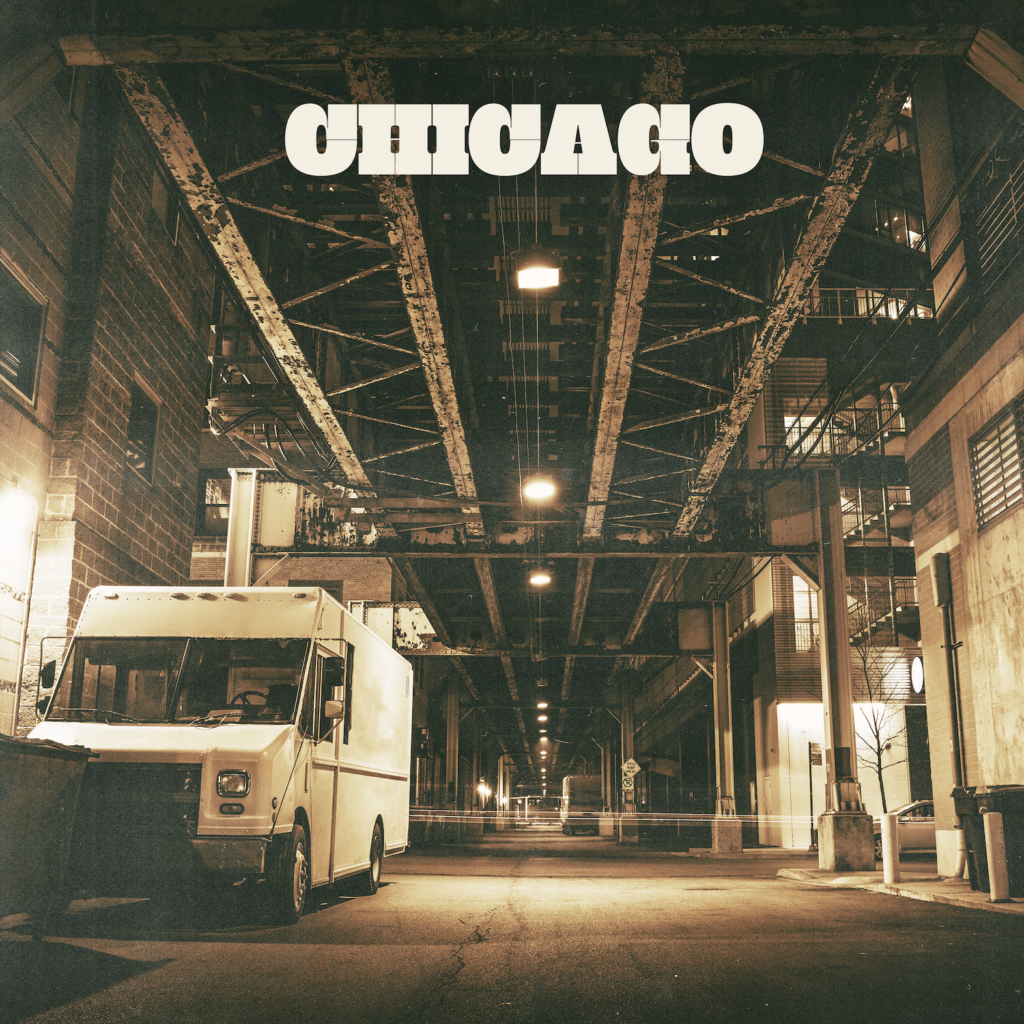
Musically, the track blends genuinely upbeat ska rhythm alongside considerable punk energy and grunge-influenced grit, drawing specifically from Hope’s stated dual influence spanning Nirvana’s raw intensity and the Mighty Mighty Bosstones’ infectious, brass-driven celebratory sound. That particular combination, grunge’s characteristic rawness paired alongside ska’s genuinely danceable horn-driven energy, gives Chicago considerable stylistic ambition, merging two musical traditions that might initially seem somewhat contradictory into something Hope apparently manages toward integrating successfully throughout the actual track.
What distinguishes Hope’s overall artistic approach is his explicitly stated philosophy regarding creative boundaries, insisting his music operates specifically without genre restriction, following instead whatever emotional truth genuinely demands regardless of established stylistic convention. That particular conviction shows clearly throughout Chicago’s actual construction, willing toward combining considerably disparate musical elements specifically because the song’s underlying emotional content required that particular hybrid approach rather than forcing the material into more conventional, singular genre expectation.
The song’s comparison toward classic nineties material like Breakfast at Tiffany’s reflects genuine nostalgic quality running throughout Chicago’s overall construction, suggesting Hope successfully captured something reminiscent of that particular era’s considerable catchy, emotionally direct alternative rock sensibility while still maintaining genuinely contemporary production and arrangement choices throughout. That balance, honoring established nineties alternative rock lineage while avoiding purely derivative imitation, requires real compositional skill, ensuring the finished track feels both familiar and genuinely fresh simultaneously.
What gives this release particular technical interest is understanding Hope’s considerable instrumental range throughout the actual recording process, personally performing vocals, guitar, and bass himself while bringing in outside contributors specifically for drums and the considerably essential ska brass section. That combination of comprehensive personal instrumental control alongside strategic outside collaboration for those specific elements requiring particular specialized expertise reflects genuine practical wisdom regarding where personal artistic vision benefits from remaining entirely self-directed versus where bringing in genuine outside technical skill actually serves the finished product more effectively.
Recording specifically within his hometown of Cologne, Germany, despite currently residing in Venice, California, adds genuine interesting geographic layering toward Hope’s overall artistic identity. That transatlantic creative circumstance, an artist based within America’s alternative music scene while still returning specifically toward his German origins for actual recording work, reflects genuinely international artistic perspective extending across his broader musical approach, suggesting Hope brings considerable European sensibility directly into American alternative rock traditions rather than existing purely within either single geographic musical context alone.
There is something worth noting in how directly this particular song’s origin connects toward genuine spontaneous, unplanned romantic experience rather than more calculated, deliberately constructed songwriting concept. Meeting someone specifically during a brief several-day stay, falling genuinely hard during that considerably compressed timeframe, and subsequently translating that entire whirlwind experience directly into finished musical statement reflects genuine authentic songwriting process, capturing real lived emotional experience rather than more abstract, hypothetical romantic scenario construction.
That geographic specificity, naming the actual city where this considerable romantic encounter occurred, gives Chicago genuine narrative grounding beyond more generalized romantic songwriting territory. Listeners familiar with that particular city might bring their own accumulated associations and memories directly into their engagement with the track, while those without direct personal connection toward Chicago specifically can still access the song’s underlying universal romantic excitement and unexpected connection regardless of their own specific geographic familiarity.
Hope’s stated commitment toward blending ska, punk, alt-rock, and indie pop sensibility simultaneously throughout his broader catalog suggests Chicago represents continued extension of an established creative approach rather than isolated stylistic experiment disconnected from his broader artistic identity. That consistency across his developing catalog, now reaching its third official release, suggests genuine artistic clarity regarding exactly what particular hybrid sonic territory Hope wants to continue exploring and refining across his ongoing musical output.
What ultimately distinguishes Chicago within considerable contemporary alternative rock territory is its genuine combination of infectious, danceable ska-influenced energy alongside considerably more introspective grunge grit, creating something that captures both the genuine physical excitement and the deeper emotional weight accompanying unexpected romantic connection simultaneously. That dual quality, celebratory yet genuinely substantive, reflects real songwriting sophistication, refusing to sacrifice either pure musical enjoyment or genuine emotional authenticity in service toward the other.
By channeling genuine lived romantic experience into music that successfully merges considerably disparate stylistic influences without sacrificing coherence or genuine emotional resonance, Jay Hope has built Chicago into a single that succeeds specifically through its authentic origin story and considerable genre-blending ambition simultaneously. This track continues establishing A Project Called Love as genuinely distinctive voice within contemporary alternative music, someone willing toward following wherever genuine emotional truth and musical instinct actually leads rather than remaining confined toward whatever established genre convention might otherwise dictate, proving that sometimes the most memorable songs emerge specifically from refusing every available boundary standing between an artist and their own most honest creative expression.