There is a particular kind of validation that no chart position or critical acclaim can match, the moment when the person who inspired a song hears it for the first time and is moved to tears, the emotional truth of the music transcending the words to reach directly into the heart of the one who matters most. When Dalinda‘s non-English-speaking mother, whose portrait graces the cover art of The Nile and who inspired the track, heard the song for the first time, she wept, and that response tells you everything about what Dalinda has achieved with this single, released May 29, 2026. The emotional core of the song transcends language, reaching across the barrier of words to deliver its meaning directly, and a mother moved to tears by a song she could not understand in its literal language is the truest possible measure of that achievement.
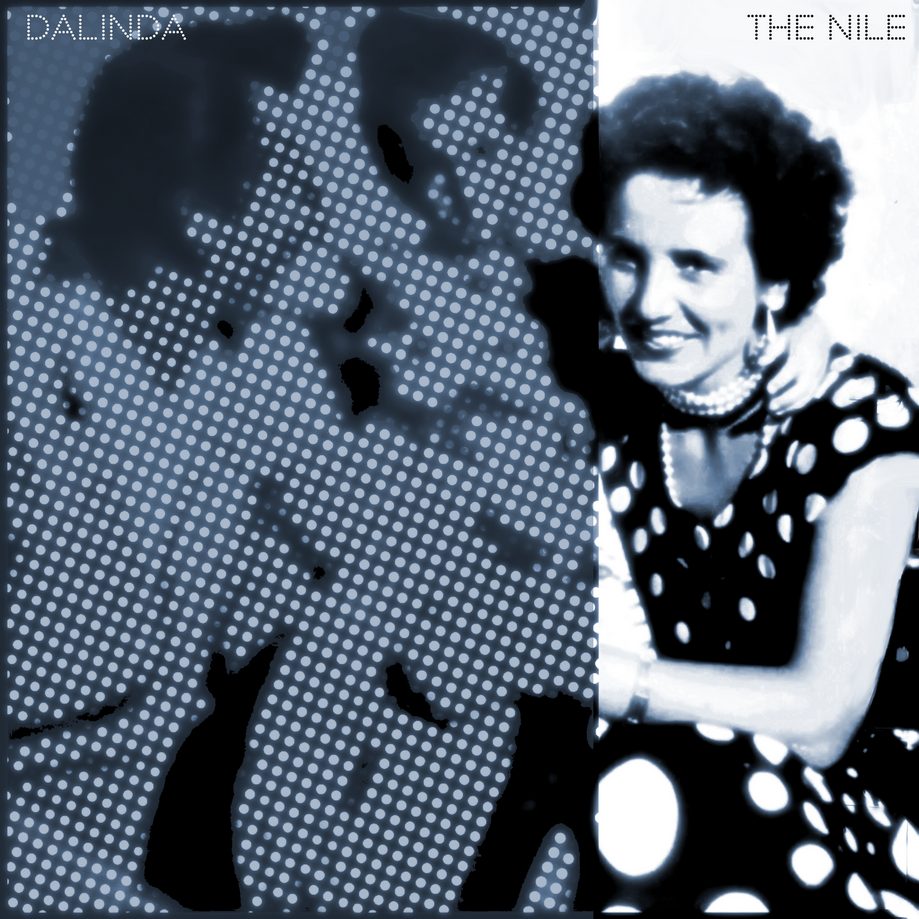
Dalinda’s musical identity is rooted in a genuinely multicultural heritage that informs everything she creates. Born to Bosnian parents, raised in Libya, and based in the UK, she carries within her the confluence of multiple cultures and musical traditions, and this confluence is the beating heart of her artistic identity. Her career has spanned an extraordinary range, from her breakout debut album Turquoise, produced by the legendary late Hossam Ramzy whose credits include work with Shakira and Peter Gabriel and Page and Plant, to massive crossover success in the Middle East alongside Hamid AlShairi, their collaboration Leish dominating the Arabic Top Ten Charts for seventeen consecutive weeks and winning Best Song and becoming the region’s most downloaded ringtone. This is an artist of genuine international stature whose work has connected with audiences across radically different cultural contexts.
The Nile marks a striking stylistic departure into melancholic indie, a significant shift from the world music and crossover success that has defined much of Dalinda’s career. This willingness to move into new stylistic territory reflects an artist confident enough in her identity to explore different modes of expression, the melancholic indie of The Nile representing not an abandonment of her musical legacy but an expansion of it, the new style serving the deeply personal exploration of love and loss that the song undertakes. The departure is striking precisely because Dalinda has the established success to have simply continued in the modes that brought her recognition, and her choice to explore new emotional and sonic territory instead reflects genuine artistic restlessness and growth.
The production approach for The Nile, undertaken alongside Pete Murray using authentic live instrumentation and zero samples, is central to the song’s emotional authenticity. The commitment to live instrumentation and the complete avoidance of samples means that every sound in the track was genuinely performed, the human presence of real musicians playing real instruments giving the song the warmth and the authenticity that its deeply personal content requires. This is the appropriate approach for a song inspired by the artist’s own mother and exploring genuine love and loss, the authentic instrumentation matching the authentic emotion, the absence of samples ensuring that nothing in the track is borrowed or artificial.
The title itself carries the weight of Dalinda’s North African upbringing and the broader cultural geography of her identity. The Nile is one of the most significant rivers in human history, the lifeblood of civilizations and a symbol of continuity and flow and the passage of time, and its presence as the title of a song about love and loss connects the personal emotion to something vast and ancient and enduring. For an artist raised in Libya, the Nile carries genuine geographical and cultural resonance, the river being part of the landscape of her formative years and the broader North African world that shaped her, and the choice to name a deeply personal song after it merges the intimate emotion with the grand sweep of the river’s symbolism.
The sweeping world-infused bridge that anchors The Nile is where Dalinda’s musical legacy most clearly merges with the contemporary indie-pop textures of her new direction. This bridge is the moment where the world music heritage that defined her earlier work enters the melancholic indie framework of the new single, the two musical worlds meeting and merging rather than one replacing the other. This synthesis is the song’s defining achievement, the demonstration that Dalinda’s stylistic departure into indie does not require abandoning the rich world music traditions that have always informed her work, the bridge being the bridge in more than just the musical-structural sense, connecting her past and her present, her world music legacy and her contemporary indie exploration.
The deeply personal nature of The Nile distinguishes it from much of Dalinda’s previous work, the song being inspired by her mother and exploring love and loss with an intimacy that the chart-topping crossover hits operated differently. This turn toward the deeply personal reflects the maturity of an artist who has achieved significant external success and now turns inward toward the most intimate emotional material, the song about her mother being a tribute and an exploration that carries the full weight of the relationship between a daughter and the woman who raised her across multiple countries and cultures.
That Dalinda’s mother was moved to tears by the song, despite not speaking the language it was sung in, is the perfect encapsulation of what The Nile achieves. The emotional truth of genuine love and loss communicated through authentic live instrumentation and heartfelt vocal performance reaches past the literal meaning of the words to the deeper meaning beneath them, and a mother weeping at her daughter’s song is the truest validation any artist could receive.
The Nile flows on, ancient and enduring, and Dalinda has made a song that merges her rich multicultural legacy with contemporary indie melancholy to explore the most universal of human experiences. Love and loss, rendered with authenticity and emotional depth, in a song that moved the woman who inspired it to tears.