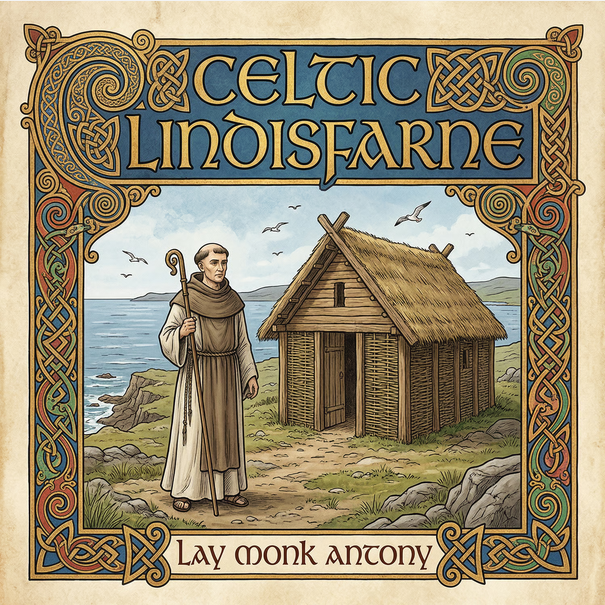
The spiritual and thematic core of the record draws deep inspiration from the mystical traditions of Holy Island, off the coast of Northumberland. Known globally as Lindisfarne, the tidal island has served for centuries as a sacred beacon of contemplation, monastic scholarship, and quiet reflection. Drawing additional creative inspiration from the poetic legacy of Reverend David Adam, a beloved spiritual writer celebrated for his modern Celtic prayers, Perkin approaches his music with profound reverence. He treats every melodic arc as an acoustic bridge connecting the ancient past with the present, exploring how light persists through seasons of darkness and how renewal inevitably emerges from decay.
Musically, the composition operates as a masterclass in atmospheric folk storytelling, blending traditional acoustic instruments with spacious, ambient sound design. Gentle Celtic harp arpeggios and delicate tin whistle melodies slide across the stereo field, evoking the crisp coastal breezes and crashing ocean waves surrounding the holy island. Layered beneath these acoustic leads are warm, low-end drone textures and sweeping pad swells that add a cinematic, timeless depth. The arrangement builds with patient grace, creating an expansive sonic sanctuary where listeners can quiet their minds and reflect on their own private journeys.
Lyrically and melodically, the ballad centers on themes of endurance, spiritual hope, and quiet inner strength. Rather than offering superficial answers to life’s complex trials, the music acknowledges the weight of human suffering while pointing steadily toward the subtle, persistent rays of light that guide us forward. The soaring vocal performance carries an unforced, weathered warmth, projecting a transparent sincerity that feels deeply grounded and unvarnished. It creates a therapeutic environment where grief and hope can exist side by side, providing comfort to anyone navigating a season of personal uncertainty.
What elevates the single within the contemporary Celtic and ambient folk landscape is its absolute refusal to rely on cliché shortcuts or artificial studio polish. Perkin understands that the true magic of traditional Celtic music lies in its organic breath, natural room resonance, and honest emotional delivery. Every acoustic string scrape, room echo, and subtle vocal inflection remains deliberately audible within the master mix, injecting a living, physical presence into the digital playback. This transparent sound design establishes an immediate, personal bond with listeners who crave authentic spiritual art over commercial trends.

Executing such a delicate balance between ancient acoustic instrumentation and modern ambient depth demands exceptional discipline in the recording studio. The pristine master file preserves plenty of spatial headroom, allowing the bright, shimmering tones of the harp to sit effortlessly alongside subterranean synth swells without overcrowding the frequency spectrum. Listeners can feel the physical movement of the air around the instruments, making the recording feel like a private, twilight performance staged inside an ancient stone chapel.
Sustaining such an emotionally resonant, reflective focus highlights a composer who treats music as a noble vehicle for spiritual healing and human connection. In a cultural environment often dominated by fleeting digital noise and rapid consumption, Celtic Lindisfarne offers a refreshing, timeless alternative rooted in faith, nature, and quiet resilience. It stands as a brilliant testament to what happens when deep historical appreciation meets visionary contemporary composition, offering a soothing beacon of hope for listeners around the world.
Surrendering to the final decaying harp notes and fading ambient swells leaves a lingering, peaceful warmth floating softly in the quiet room. The ocean-like soundscapes gradually taper off into a serene silence that invites a deep, cleansing breath and a moment of quiet gratitude. Celtic Lindisfarne achieves its noble artistic mission with quiet grace, delivering an essential, heartwarming piece of music that proves no matter how deep the darkness may feel, the light will always find a way through.