There is a rare kind of song that manages to hold two seemingly opposed things at once, to be both a serious reflection on the troubles of the world and an irresistible invitation to groove, to combine the weight of social commentary with the pleasure of rhythm. Fey Rose has crafted exactly this kind of song, and Buzz Killa, released April 3, 2026, offers the opportunity to pause and reflect and groove all the way, finding balance between denunciation and rhythm, beauty in a cry for help. Moving fluidly from rap to RnB, the track features vocals that hit from the first second, impossible to ignore and impossible to forget, a song that confronts a troubled world while never losing its sense of movement and groove.
The central achievement of Buzz Killa is its balance between social commentary and musical pleasure. The song engages with serious concerns, reflecting on a world marked by war and corruption and the strains of contemporary economic life, yet it does so without sacrificing its groove, the denunciation and the rhythm held in productive balance. This is a genuinely difficult thing to accomplish, the danger being that socially conscious music can become preachy and unpleasurable or that danceable music can become empty, but Fey Rose navigates this tension, creating a song that is both a serious reflection and an irresistible groove. The beauty in a cry for help that the song achieves captures this balance, the genuine concern about the state of the world expressed through music that remains beautiful and compelling.
The title itself plays on this duality. A buzz killer is someone or something that ruins the good mood, that interrupts the pleasure with unwelcome reality, and there is a knowing irony in the title, the song acknowledging that its serious reflections might seem to threaten the groove even as it refuses to let them do so. Yet Buzz Killa subverts this expectation, proving that confronting difficult realities need not kill the buzz at all, that reflection and groove can coexist, that we can pause to consider the troubles of the world and still move to the rhythm. The title’s playfulness reflects the song’s larger achievement, the way it holds together seriousness and pleasure rather than allowing one to cancel the other.
Fey Rose’s vocals are central to the song’s immediate impact. From the first second, her voice commands attention, the kind of vocal presence that is impossible to ignore and impossible to forget, and this vocal power is what draws the listener in and holds them. Moving from rap to RnB, Fey Rose demonstrates a versatility that allows her to deliver both the denunciation and the groove, the rap providing the directness and the rhythmic force for the social commentary while the RnB brings the warmth and the melodic beauty. This vocal range is what allows the song to balance its opposed elements, the voice itself capable of both the sharpness of denunciation and the beauty of the groove.
The production that frames Buzz Killa creates a distinctive sonic world where vintage warmth meets modern edge. Crafted in collaboration with producer Luc Rouget, the track was recorded with classic microphones and analog textures, giving Fey Rose’s voice a cinematic, intimate presence. This combination of vintage and modern is genuinely effective, the analog warmth providing a richness and an intimacy that digital production often lacks, while the modern edge keeps the sound contemporary and relevant. The classic microphones and analog textures give the vocals their cinematic, intimate quality, the warmth of the recording creating a sense of closeness that draws the listener into the song’s world, the vintage techniques serving the emotional and sonic depth of the track.
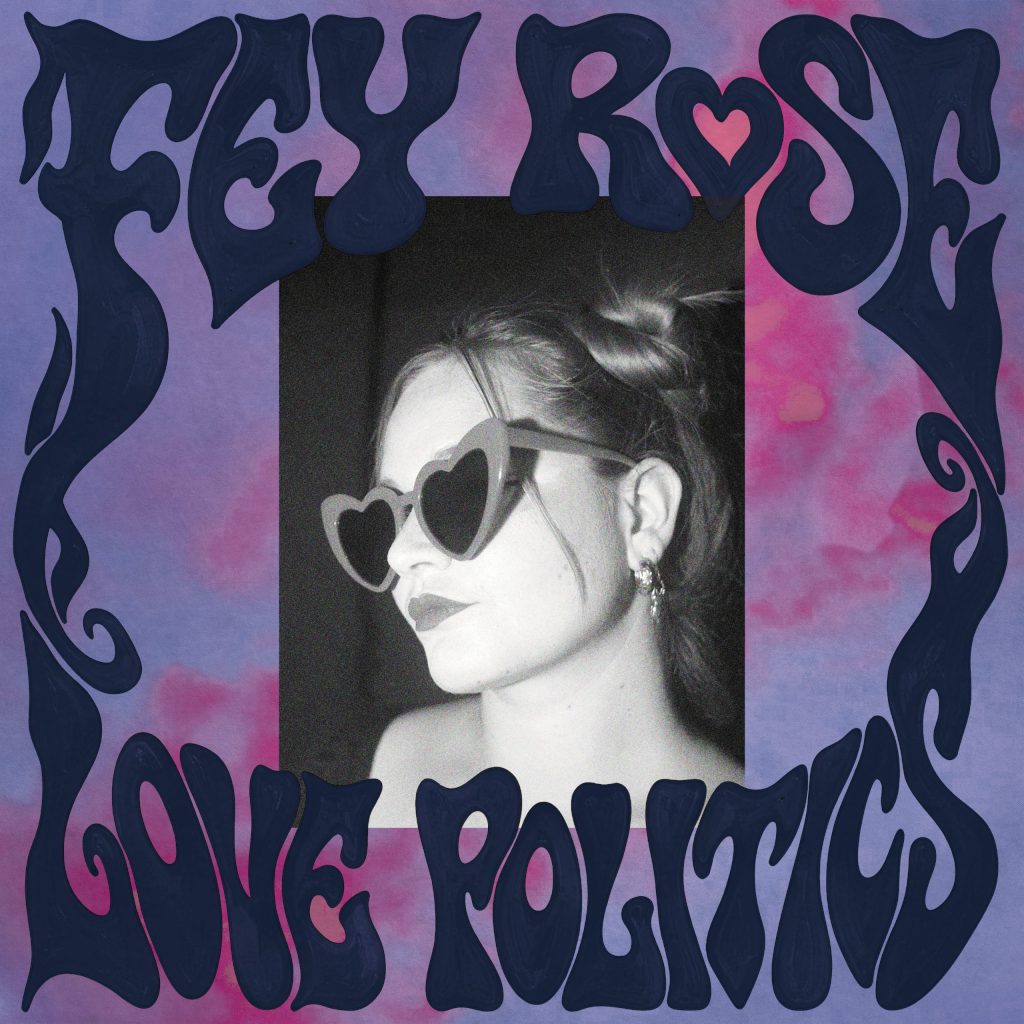
Buzz Killa belongs to Fey Rose’s EP Love Politics, and understanding the EP’s larger theme illuminates the song’s purpose. Love Politics is a reflection and reminder of the importance of politics, both in our love lives and in our collective experience, a recognition that the personal and the political are intertwined, that the way we treat each other in love and in society reflects and shapes the larger structures we live within. The EP’s core message is a reminder to love no matter what, the affirmation of love as a response to a troubled world, and Buzz Killa contributes to this larger statement, the song’s balance of denunciation and groove reflecting the EP’s belief that we can confront the world’s troubles while still affirming love and finding beauty.
The intertwining of love and politics that the EP explores gives Buzz Killa its deeper meaning. The recognition that politics shapes our love lives and our collective experience reflects a genuine insight, the understanding that the structures of power and economy and conflict that the song denounces affect the most intimate dimensions of our lives, that love does not exist in isolation from the political realities that surround it. The reminder to love no matter what is the EP’s response to this recognition, the affirmation that even in a world of war and corruption, love remains both possible and essential, the song’s beauty in a cry for help embodying exactly this affirmation.
The concise, considered nature of the EP reflects a focused artistic vision. At fourteen minutes and mastered at The Wall Studio by Samuel Berdah, Love Politics is a compact and carefully crafted statement, the brevity ensuring that every moment counts, the careful mastering reflecting the attention to sonic detail that the project’s vintage-meets-modern aesthetic requires. This focused approach gives the EP and Buzz Killa their impact, the concentration of the statement making it all the more powerful.
Buzz Killa is the sound of denunciation and groove held in perfect balance, a song that confronts a troubled world while refusing to surrender its rhythm. Fey Rose has found beauty in a cry for help, the unforgettable vocals and the vintage-warm production combining into a track that invites us to pause and reflect and groove all at once.
In a troubled world, the song insists, we can still find the rhythm and still affirm love. Fey Rose has made a track that proves social reflection need not kill the buzz, and its balance of beauty and denunciation lingers as both a reckoning and a groove.