
There is a specific challenge involved in reworking a song as internationally beloved and rhythmically distinctive as Yeke Yeke, since its original power comes substantially from Mory Kanté’s genuinely singular fusion of West African tradition and eighties electronic production, a combination that already felt ahead of its time when it first broke through internationally. Braaheim taking on that particular track requires real confidence, and his approach apparently leans into honoring the song’s inherent tribal rhythmic foundation while layering in his own established electronic dance sensibility, extending rather than replacing what made the original so distinctive in the first place.
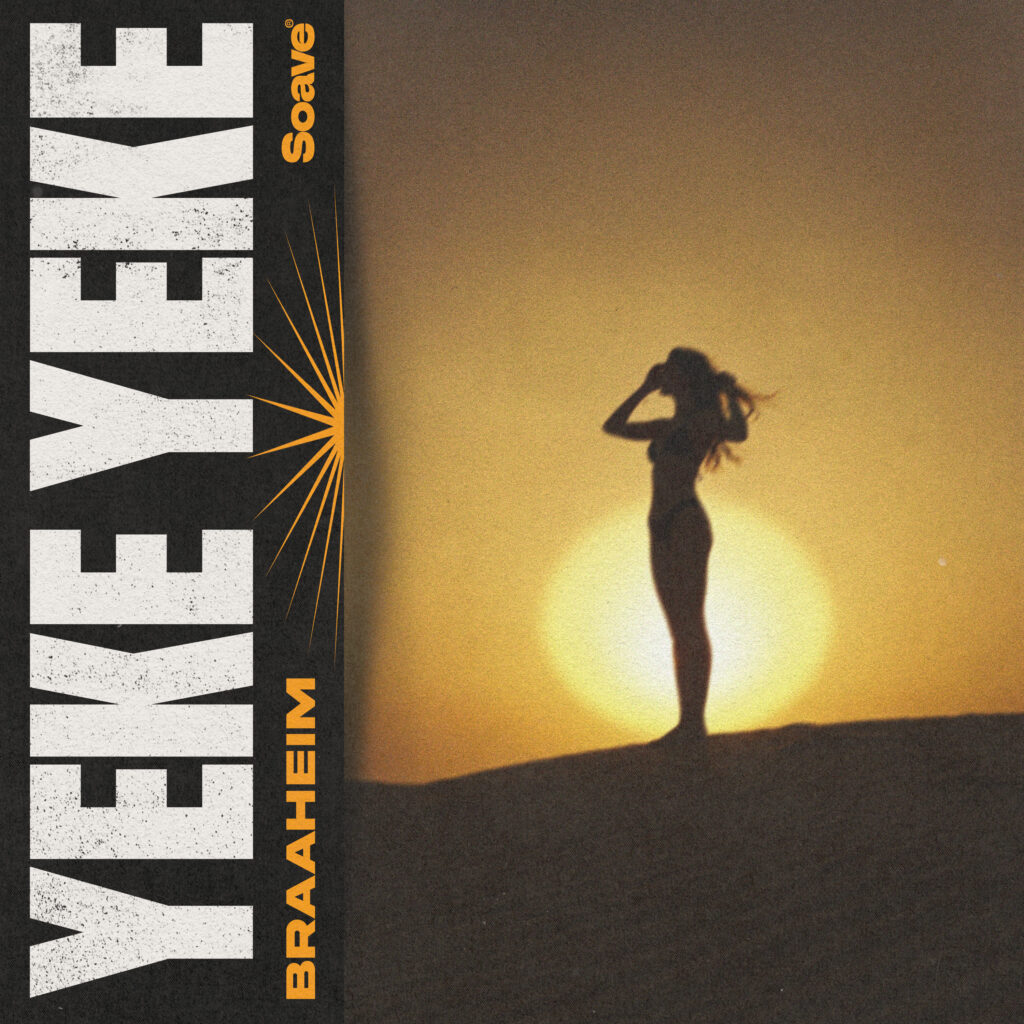
This is far from Braaheim’s first attempt at reworking an already iconic song for contemporary dancefloor consumption, and that established track record matters considerably for understanding how confidently he approaches material this culturally significant. His prior remakes of tracks like Rhythm Is a Dancer and Paradise have already demonstrated genuine skill at identifying exactly which elements of a beloved original deserve preservation and which can be reimagined through more contemporary electronic production techniques without losing whatever made listeners fall in love with the source material initially. That accumulated experience across multiple successful reinterpretations gives him a clear methodology to apply here, one built on respecting a song’s essential rhythmic DNA while still making genuinely fresh creative choices around it.
Yeke Yeke’s original groove built substantially around kora and rhythmic vocal chanting gives Braaheim particularly rich source material to work from, since that foundation already carries the kind of infectious, body moving energy that translates naturally into contemporary club music without requiring dramatic reinvention. His stated approach of combining tribal rhythms with groovy basslines suggests real attentiveness to preserving that essential percussive character while updating the surrounding sonic texture for audiences who may be encountering this particular melody for the first time through his specific version rather than the original nineteen eighties release.
What gives Braaheim genuine credibility taking on material this significant is his substantial existing track record within Scandinavian dance music specifically, built across more than thirteen years of sustained presence within Norway’s club scene, including formative time spent at LAAVEN, one of the country’s most recognizable après-ski venues. That kind of extended immersion within a specific regional dance music culture tends to produce artists with genuinely intuitive understanding of what actually works on an actual dancefloor rather than purely theoretical knowledge of dance music production techniques. Accumulating more than 550 million streams and maintaining several million monthly listeners speaks to real, sustained audience connection rather than a single viral moment that failed to translate into lasting relevance.
His collaborative history working alongside artists including K-391, MOTi, and Fast Boy, along with his connection to Norwegian personality Shaman Durek, demonstrates genuine comfort moving across different corners of the broader European dance music landscape, picking up production techniques and stylistic approaches from multiple different collaborative partnerships along the way. That range likely informs how he approaches a track like Yeke Yeke, bringing accumulated production knowledge from numerous prior projects into this specific reinterpretation rather than working from a single narrow stylistic toolkit.
There is something worth noting in how Braaheim has built his entire artistic reputation specifically around the practice of reinvention rather than purely original composition, positioning himself as a specialist in identifying which already beloved songs carry enough inherent strength to support genuinely successful contemporary reworking. That specific skill set requires real discernment, since not every classic track actually translates well into modern electronic production, and choosing material wisely matters as much as the actual production execution once a source song has been selected. Yeke Yeke’s rhythmic complexity and inherent danceability make it a genuinely sound choice for this particular treatment, carrying exactly the kind of percussive foundation that tends to translate successfully into contemporary club contexts.
Braaheim’s public persona, embracing the playful self description as Norway’s favorite ginger boy, suggests an artist genuinely comfortable with approachable, personality forward branding alongside his more technical production credentials. That combination, serious dance music craftsmanship paired with genuine accessible charm, likely contributes considerably to his sustained commercial success across Scandinavian markets specifically, where his remakes have apparently dominated both regional charts and major streaming playlists consistently over an extended period rather than through isolated individual hits.
Heading into a stretch of planned rapid fire collaborations throughout 2026, including work with 2025 Songvestival competitor EMMY, this Yeke Yeke reinterpretation arrives as part of a broader pattern of sustained, prolific output rather than existing as an isolated release. That pace suggests real confidence in his established creative process, understanding his own methodology well enough to apply it efficiently across multiple projects without necessarily requiring extended development time for each individual release.
By approaching Yeke Yeke with genuine respect for its original tribal rhythmic foundation while still asserting his own established electronic production identity clearly throughout, Braaheim continues extending a specific creative lane he has spent over a decade successfully cultivating. This reinterpretation functions less as a departure from his established methodology and more as further confirmation of exactly what has already made his previous remakes so consistently successful across Scandinavian markets, genuine reverence for source material combined with confident, contemporary production instincts. Whether reaching listeners already familiar with the original or introducing an entirely new generation to that iconic melody for the first time, Braaheim’s version seems built to accomplish precisely what his catalog has already proven he does reliably well.


