There is genuine confidence embedded in an artist describing his own songs as something that keep writing themselves, and Triggers & Waves carries that particular sense of accumulated, almost involuntary creative output across its ten tracks. Dominick Campana built this album from a considerable collection of instruments and recording gear, developing what he describes as a unique indie-pop analog sound that draws comparisons spanning from Aimee Mann’s sharp lyrical precision through Sloan’s melodic power-pop sensibility, all the way to The Replacements’ scrappy honesty and George Harrison’s considered, spiritually inflected songwriting. That range of reference points alone suggests an album unwilling to settle comfortably inside any single narrow genre box.
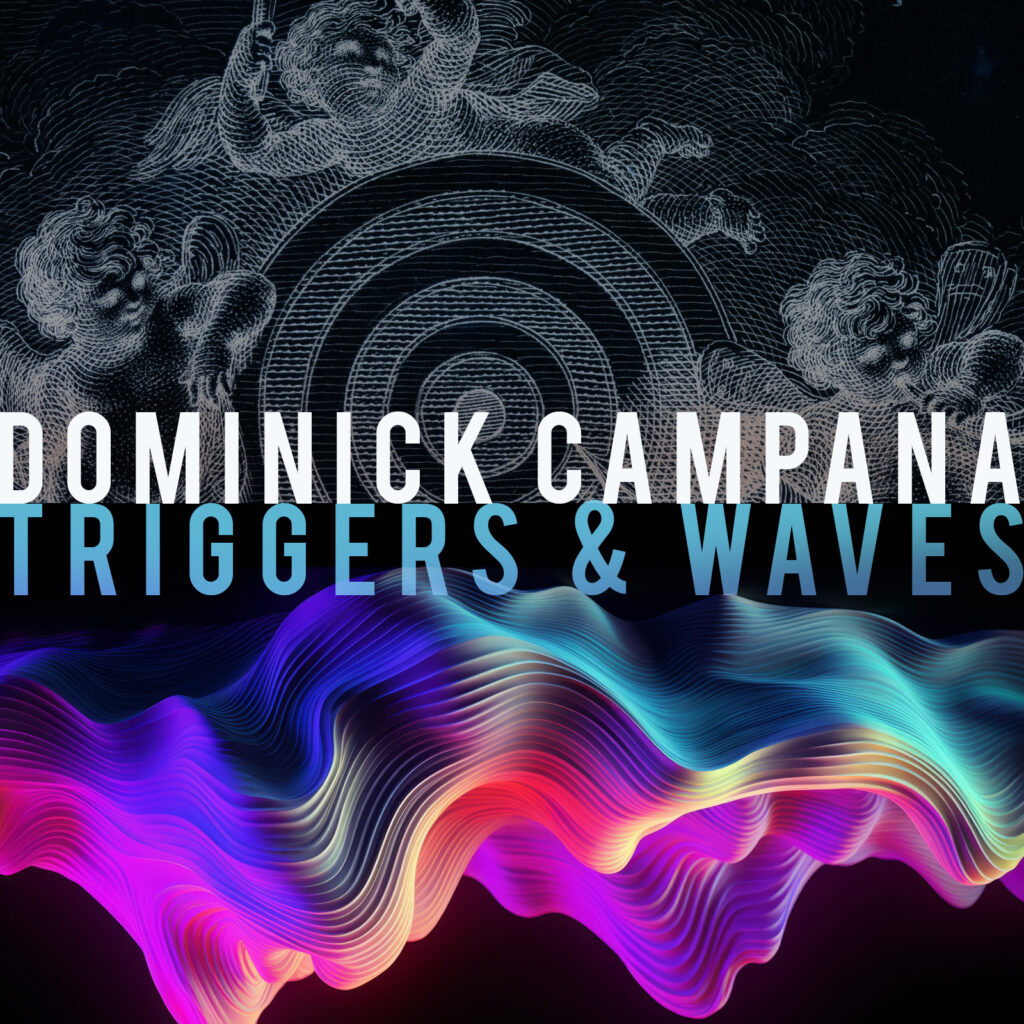
It’s Never All Right opens the record with a title carrying genuine emotional bluntness, immediately establishing the album’s willingness toward sitting inside discomfort rather than rushing toward easy resolution. That opening choice sets real thematic groundwork before the remaining nine tracks continue developing whatever specific emotional and lyrical territory Campana intends this considerable collection to explore. Angels Nonetheless follows with genuinely interesting tension built directly into its title, suggesting some kind of redemption or grace existing despite considerable evidence pointing otherwise, extending the opener’s willingness toward holding difficult truth alongside genuine hope simultaneously.
The Moral Dilemma of Having Nice Things introduces something considerably more wry and self-aware directly within its title, suggesting Campana’s lyrical approach carries genuine wit alongside whatever emotional weight the surrounding tracks establish. That particular phrase reads almost like something lifted directly from conversation, examining the genuine discomfort some people feel regarding material comfort or success, an unusual and genuinely specific angle for a song to explore rather than more generic material regarding wealth or status. Nature of All Things shifts toward considerably more philosophical, almost meditative territory, suggesting Campana’s songwriting range extends comfortably between sharp, conversational specificity and broader, more contemplative examination of existence itself.
Give It Up carries genuine ambiguity within its brief title, capable of reading as encouragement toward release and surrender or alternatively as blunt demand toward stop pretending, and that interpretive flexibility likely serves the actual song well depending on whatever specific narrative context surrounds it. Shattered in Gold introduces genuinely striking, almost paradoxical imagery, combining destruction directly alongside considerable value and beauty, suggesting a song examining how breaking apart sometimes reveals something worth treasuring rather than something purely lost or diminished.
Waiting for Dawn shifts toward hopeful, anticipatory territory, positioned specifically past the album’s midpoint and suggesting genuine emotional movement toward something considerably brighter after whatever difficulty the preceding tracks have established. Lower the Bar, subtitled specifically Indie Cred, introduces genuine self-deprecating humor directly into its title, suggesting Campana possesses real comfort poking fun at indie music culture’s sometimes precious relationship toward authenticity and credibility, extending the wit already evident within The Moral Dilemma of Having Nice Things earlier in the tracklist.
Circles carries genuinely evocative imagery regarding repetition and cyclical experience, fitting naturally alongside an album this concerned with honest examination of recurring emotional and psychological patterns. All We Can Do closes the record with genuinely resigned yet somehow still hopeful framing, an appropriate concluding statement for a considerable ten-track journey that has apparently moved through discomfort, wit, philosophical reflection, and eventual hard-won acceptance throughout its complete runtime.
What gives Triggers & Waves particular significance is understanding Campana’s own description of his creative process specifically, songs that keep writing themselves rather than requiring forced, deliberate construction. That framing suggests genuine, sustained creative fluency, an artist who has apparently developed considerable comfort allowing material to emerge somewhat organically rather than treating every composition as effortful, deliberate labor. Working from his own considerable collection of instruments and recording gear gives Campana genuine technical independence throughout the album’s actual construction, allowing him complete creative control across whatever specific sonic choices ultimately shaped these ten tracks.
The stated comparisons toward Aimee Mann, Sloan, The Replacements, and George Harrison deserve genuine consideration for what they collectively suggest about Campana’s actual sound. Mann has built her considerable career around genuinely sharp, literary lyricism paired alongside polished, melodically sophisticated pop-rock production. Sloan brings genuine power-pop melodic instinct alongside considerable harmonic sophistication drawn from classic rock tradition. The Replacements represent something considerably rawer and more emotionally direct, prioritizing genuine feeling over technical polish. George Harrison, meanwhile, brought a distinctly contemplative, sometimes spiritually inflected sensibility into his solo work following The Beatles, willing toward exploring genuine philosophical and emotional depth within accessible pop song structure.
That combination of influences suggests Triggers & Waves likely moves fluidly between genuinely polished melodic pop moments and considerably rawer, more emotionally direct sections, while also incorporating occasional philosophical or contemplative depth reminiscent of Harrison’s own considerable solo catalog. Building an album capable of honoring all four of those genuinely distinct artistic sensibilities simultaneously requires real compositional range, and the tracklist itself, moving between wry humor, genuine emotional bluntness, and broader existential reflection, suggests Campana achieves exactly that kind of stylistic breadth throughout the collection’s complete runtime.
There is something worth noting in how the album’s actual title, Triggers & Waves, captures something genuine about its apparent thematic content throughout. Triggers suggest genuine emotional immediacy, specific moments or circumstances capable of provoking sudden, powerful reaction, while waves suggest something considerably more gradual and cyclical, emotion and experience moving in sustained, recurring patterns rather than isolated single moments alone. That combination, sudden triggering incidents existing alongside broader, ongoing emotional waves, mirrors the tracklist’s own apparent movement between sharp, specific observation and more sustained, philosophical reflection throughout its ten songs.
Campana’s evident pride in this particular release, both musically and, by his own account, even more significantly lyrically, suggests real personal investment extending beyond simple technical achievement alone. That emphasis on lyrical content specifically matters considerably for understanding how to actually approach this album, suggesting listeners willing toward paying close attention toward the actual words throughout Triggers & Waves will likely find genuine substance rewarding that particular attention, material built from real considered thought rather than purely functioning as accompaniment toward whatever melodic or production choices surround it.
By combining genuine indie-pop analog sound alongside considerable lyrical wit, emotional honesty, and philosophical depth spanning influences from Aimee Mann through George Harrison, Dominick Campana has built Triggers & Waves into an album that succeeds specifically through its considered range and genuine personal investment throughout. This collection demonstrates what becomes possible when an experienced musician with considerable accumulated instruments, recording gear, and songwriting instinct finally channels all of that accumulated capability into one cohesive ten-track statement, trusting that songs which genuinely keep writing themselves often carry more authentic weight than material forced into existence purely through effortful, deliberate construction alone.