There is a particular kind of inspiration in the story of someone who pursues a dream not in the flush of youth when everything seems possible but later, much later, when the conventional wisdom says the window has closed, and discovers that the window was never closed at all. Coleman Easterly began playing piano at age six and spent decades as a pianist while building a life and a career outside the music industry, and it took until the age of 64 for him to finally step up to the microphone and find his voice in the most literal sense. Jukebox Brawl, released March 20, 2026 with an accompanying music video, is the rowdy and joyful result of that leap of faith, a rock-country romp that proves it is never too late to become exactly who you were meant to be.
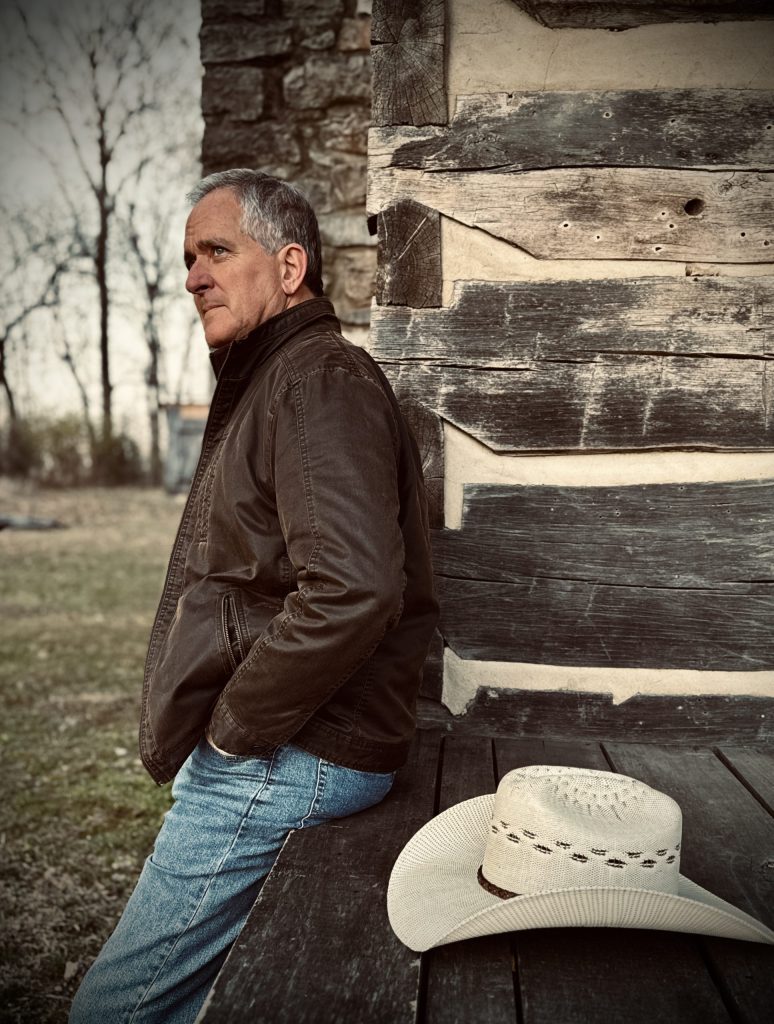
Easterly’s path to this moment is the kind of story that makes you reconsider your own assumptions about timing and possibility. Raised in Cleveland, Tennessee, he began playing piano at six after witnessing a riveting performance on a three-tier electronic organ, and music became a lifelong passion that he honed in talent shows and his high school jazz band, where the discovery of improvisation opened up a world of limitless musical possibility. But for most of his life, music remained a separate pursuit, something he did on the side while raising a family and building a professional career, with only limited opportunities to play. His debut instrumental release, titled Keeping My Day Job, captured this reality with humor and reflection, acknowledging music’s place at the margins of his life while revealing the deep-seated drive to create that never disappeared.
The change came with a move to Latitude Margaritaville in Daytona Beach, Florida in 2019, where Easterly found the vibrant musical community he had always longed for. The frequent driveway jam sessions hosted by his like-minded neighbors gave him the musical community that had eluded him throughout his earlier life, and he became a core member of The Coral Reef Corner Band, playing at community events and driveways and cul-de-sacs and town-center stages and regional venues all around the World’s Most Famous Beach. Over six years in this supportive community, he gradually gained the stage confidence to take on more and more singing, and as audiences praised his vocals, he finally found the self-assurance to take the leap he had been building toward his whole life.
Jukebox Brawl is the perfect vehicle for Easterly’s newly discovered vocal identity, and pressing play is like stepping into a rowdy watering hole tucked deep along the winding backroads of Tennessee. The song drops you into a Friday night down at the Rusty Nail, where tensions are brewing over by the Rock-ola, two drunken women both stubborn as mules with their hearts set on a particular soundtrack and unwilling to let anyone stand in the way of their tune. As tempers flare, the stomping rhythm and raucous distorted guitars build an inescapable wall of rock-country grit, capturing the raw energy of a night devolving into a free-for-all with all the chaos and comedy that such a scene contains.
Easterly’s voice is the perfect instrument for this kind of material, his gravelly and gruff delivery steeped in an authentic Southeast Tennessee dialect making listeners feel as though they have pulled up a stool at the bar themselves, beer in hand, watching the chaos unfold with amusement. This voice may have been shaped by his early teenage years singing beneath the hum of woodworking machines in his family’s cabinet shop, the kind of formative environment that develops a voice with genuine character and grit, and the authenticity of his Tennessee dialect gives the song a credibility that no polished studio voice could provide. By the time the guitar solo hits, the song promises, no one will be in their seats, the energy pulling everyone onto the dance floor to scuff boots or look for trouble.
The backstory behind Jukebox Brawl adds another layer of delight to the whole enterprise. Nashville songwriter Keith Mohr drew inspiration from a real-life story about two women arrested for fighting over a jukebox at a Waffle House, and the song swaps the late-night breakfast chain for the livelier setting of the Rusty Nail. The music video brings this scene to life at the beloved and iconic Rusty Nail in Nashville, where Easterly narrates a bubbling altercation between his wife Katherine and producer Randall Lee Richards’s wife Maribeth, who in real life are best friends. The casting of the two wives as the brawling women adds a layer of affectionate humor to the video, the tension palpable as the two shoot daggers across the room before ending up face to face, drawing a crowd of curious onlookers eager to cheer on the chaos.
The song refuses to fully resolve the chaos, and that is part of its charm. Though the cops may eventually end the altercation, someone is going to take the fall, and with next Friday just around the corner, there is always the promise of another wild night. Inside these doors, the song suggests, anything can happen as long as the shots keep flowing and the music keeps playing, the cyclical nature of the rowdy weekend being part of the comedy and the appeal.
Working with songwriter and producer Randall Lee Richards, Easterly has stepped into a new chapter that, even if unexpected, feels exactly like what he was meant to do. His first full-length vocal album is on the horizon, and Jukebox Brawl is the rollicking introduction to a voice that waited 64 years to be heard and turned out to be more than worth the wait.
It is never too late to find your voice. Coleman Easterly found his, and on Jukebox Brawl he uses it to invite us all down to the Rusty Nail for a Friday night that none of the participants will fully remember and none of the listeners will soon forget.