There is something clarifying about starting over with full creative control after years of building something inside a band, something that separates the songwriter who was always there from the version of that songwriter who was negotiating with other people’s instincts and preferences and equally valid visions. Zak Coghlan, a Dublin-born songwriter now based in London, made that separation when he stepped away from fronting Irish alt-rock band Sunburn and began building a solo project under his own name. Lead Balloon, released April 24, 2026 and recorded in Dublin with producer Keelan O’Reilly of Post Party, mixed by Philip Magee and mastered by Simon Francis, is the second piece of evidence that the solo chapter is not a transitional experiment but the destination itself. It digs deeper than his March debut Composure suggested it might, and what it finds down there is worth paying attention to.
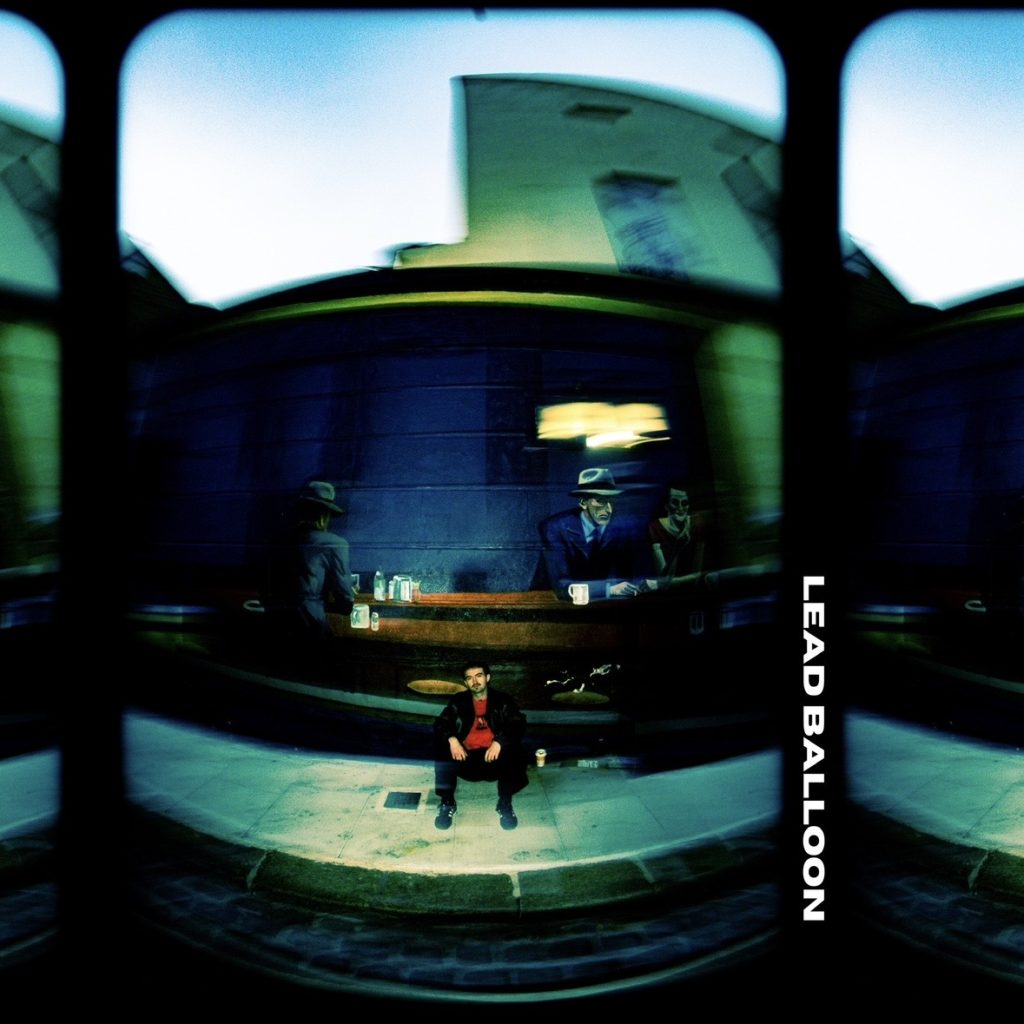
Coghlan grew up in the Liberties, one of Dublin’s oldest neighborhoods, a part of the city with its own strong cultural identity and a storytelling tradition that runs through the language people use about their lives there long before it reaches any formal artistic expression. That background shows up in how he writes, in an emotional honesty that is specific rather than general, that names things rather than circling around them, that trusts the listener to meet the song where it is rather than softening the material for easier consumption. The storytelling traditions of his Irish upbringing are audible in the lyricism even when the sonic context is firmly in alt-rock territory, and that combination is exactly what makes the solo project feel distinct from the band work that preceded it. This is a voice that knows where it comes from and has figured out how to use that knowledge rather than simply carry it as background.
Lead Balloon as a title is doing something interesting before the track even begins. The phrase exists in common usage as a description of something that fails to land, that crashes rather than rises, that achieves the opposite of its intended lift. But balloons that are lead-heavy are also dense and substantial in a way that ordinary balloons are not, present in a way that floatier things are not, and Coghlan’s alt-rock sensibility locates the track somewhere in that tension between failure and substance. The driving drums that carry the song establish their authority early and do not release it, textured guitars building the architecture around a vocal delivery that has the quality of someone singing because the alternative to singing is worse, because the emotion has to go somewhere and this is the somewhere it has found.
The Ireland and UK indie and alt-rock lineage that runs through Coghlan’s sound is not worn as a badge but absorbed deeply enough to have become structural, the way that musical influences work when an artist has spent long enough with them that they stop being reference points and start being instincts. There is something in the guitar work on Lead Balloon that carries the texture of British indie without being derivative of any specific act, and something in the vocal that has clearly listened to how Irish artists navigate emotional intensity without tipping into melodrama, how the most affecting performances often carry something held back even in their most open moments. Coghlan navigates this balance with more confidence than his career stage might lead you to expect, which is the mark of someone who spent years fronting a band learning craft before deciding to do it alone.
The production from Keelan O’Reilly brings a contemporary clarity to the track that serves the emotional content without smoothing away the edges that give it character. The mixing from Philip Magee places Coghlan’s vocal in the correct relationship to the instrumental bed, present enough to carry the lyrical weight without sitting so far forward that the band dynamics behind it lose their own authority. Simon Francis’s mastering gives the finished track the physical presence that alt-rock requires, the sense that the music occupies actual space rather than existing purely as digital information. These are professional decisions made well, and they matter because a track that relies as heavily on emotional directness as Lead Balloon needs production that does not get between the listener and the song.
The Composure single that opened Coghlan’s solo account in March set a tone, introduced the project and its intentions, and gave listeners a frame for understanding what was coming. Lead Balloon arrives as the fuller statement, the track that demonstrates not just what this project sounds like but what it is willing to excavate. The shift toward full creative control that solo work represents for any artist who previously worked collaboratively is not just administrative but creative and emotional, and Lead Balloon sounds like someone using that freedom to go somewhere a band setting might have negotiated away from, toward a rawness and a specificity that belongs to a single person’s experience rather than a collective interpretation of shared artistic principles.
On the day of release, Coghlan played The Castle in Manchester in support of Tez, which means Lead Balloon entered the world the same day it was performed in a room, which is a particular kind of commitment to the material. Songs change in live performance, acquire energy from the relationship between a voice and an audience in physical proximity, and Coghlan has continued building that live presence across Ireland and the UK alongside the recorded work. The two versions of the music, the one on record and the one in the room, are informing each other as this project develops, and where they are heading together feels increasingly worth watching.