Pop songs often arrive carrying oversized emotions, but Parlin Papito begins with something far smaller: a child’s drawing and a corked bottle. Karlo Bromsen turns that modest invention into the center of his first solo single, released on July 10, 2026. The result feels playful without becoming disposable, because the song understands how family imagination can make ordinary objects seem briefly enchanted. Papito does not enter as a mascot built for marketing; he appears like a private joke that escaped the kitchen table and learned how to dance after bedtime.
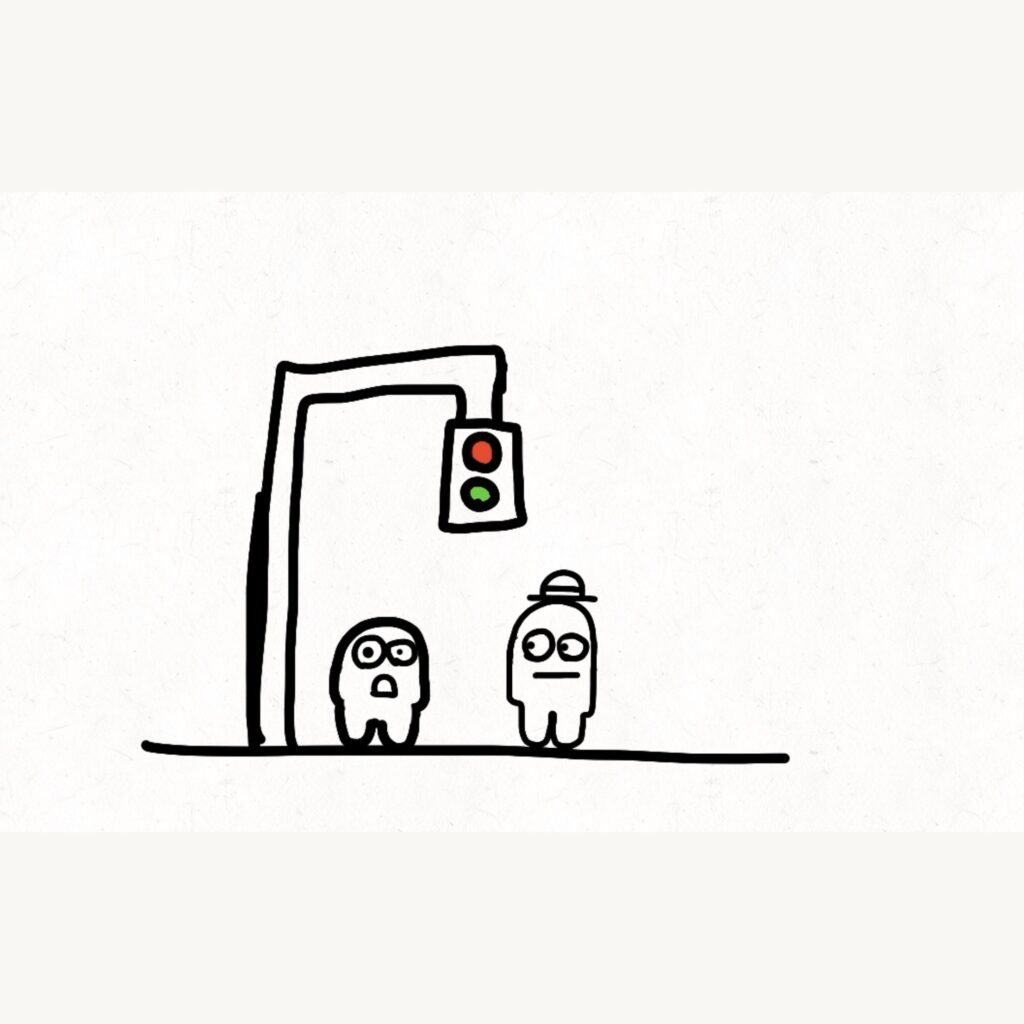
That origin gives the track a warmth no production trick could manufacture. Papito was inspired by drawings made by Bromsen’s son Willi, and the character retains the charming irregularity of something created before adults begin polishing away its oddness. He loves bees and bumblebees, emerges from a bottle, and wanders through family chaos with the confidence of someone too small to understand danger properly. Bromsen protects that homemade strangeness, allowing the music to support the character rather than forcing Papito into a familiar cartoon formula or a tidy commercial universe.
Musically, the single moves with bright indie pop momentum, but its electronic details keep the surface slightly unpredictable. The rhythm has enough bounce to carry a summer release, while the melodic writing gives Papito a personality beyond the visual concept. Bromsen does not treat playfulness as an excuse for careless construction. Each element seems arranged to make the character feel mobile, curious, and alert, as though the song itself has just climbed out of the bottle and is inspecting the room with equal parts suspicion and delight inside unfamiliar daylight.
Listeners familiar with Bromsen’s work in the indietronic project Bromsen may recognize his instinct for combining melody with synthetic texture. Yet Parlin Papito uses those tools for a gentler purpose, replacing adult tension with miniature adventure and domestic absurdity. The shift does not feel like an artist abandoning his identity for children’s entertainment. Instead, it reveals another side of the same creative impulse: the desire to build worlds through sound. Here, electronic color becomes glitter, mischief, and movement rather than distance, anxiety, urban coldness, or fashionable metropolitan alienation elsewhere entirely.
The villains and strange everyday adventures surrounding Papito are important because they prevent the character from becoming purely cute. Good children’s stories often understand that charm needs friction, even when the danger remains comic and manageable. Family life already contains its own surreal logic, with missing objects, sudden noise, private rituals, and tiny crises that feel enormous to those involved. Bromsen taps into that scale, where a bottle can become a portal and a bumblebee can carry more narrative weight than any respectable adult standing nearby inside the crowded house.
The hand drawn quality of the project also matters in a culture increasingly crowded with polished digital characters designed to look immediately familiar. Papito’s appeal comes from visible personality, not perfection. His world feels as if it could keep changing whenever Willi picks up a pencil, which gives the song an openness that fixed branding rarely allows. Bromsen has not merely written music about a cartoon figure; he has preserved the sense that the figure is still being discovered, one crooked line, strange enemy, and household accident at a time.
That expanding quality becomes clearer through the TikTok mini series, which develops Papito’s universe episode by episode. The platform could have reduced the character to a quick recurring gag, but the serial format suits the project’s restless imagination. Each short installment can add another rule, location, or bit of family mythology without requiring a grand explanation. The song therefore functions as an entrance rather than a closed statement, giving listeners a melodic anchor while the visual world keeps mutating around it with the cheerful instability of play and family storytelling.
There is an appealing lack of cynicism in Bromsen’s approach. Plenty of quirky pop works hard to prove how strange it is, layering irony over every bright color until play begins to feel defensive. Parlin Papito does not apologize for delight. Its oddness comes from attention to a child’s invention, not from an adult performer trying to advertise eccentricity. That difference keeps the song emotionally clean, allowing humor and affection to coexist without one becoming a disguise for the other or turning the family connection into sentimental decoration for display.
As a debut solo single, Parlin Papito is an unexpected introduction, and that is part of its strength. Bromsen could have chosen a song built around autobiography, ambition, or a dramatic statement of independence from his existing band identity. Instead, he enters alone by bringing someone else’s creation with him. The gesture says something generous about authorship, suggesting that a solo career need not begin with self importance. It can start by listening closely to a child, noticing a funny little figure, and deciding that the figure deserves music today.
The track finally leaves behind the sensation of a bottle uncorked in a quiet room, followed by the sudden arrival of color, noise, and possibility. Papito may be tiny, but the world forming around him already feels larger than one single or one short video. Bromsen’s real achievement is preserving the looseness of the original drawing while giving it enough musical shape to travel. Somewhere beyond the final hook, another bee appears, another villain trips over the furniture, and Willi’s pencil quietly decides what strange little thing happens after bedtime.