A debut single has a peculiar job. It must introduce a band while suggesting there is plenty left to discover. Lady Synott arrive with an advantage: they have already spent time finding themselves in front of audiences. Released on October 16, 2026, High Horse brings the Irish five-piece into the recording spotlight with melodic rock, generous vocal harmonies and an appreciation for the push and pull of a live performance. Their starting point is familiar, drawing from the guitar music of the 1960s and 1970s, but the ambition feels immediate: make a song that people want to hear again.
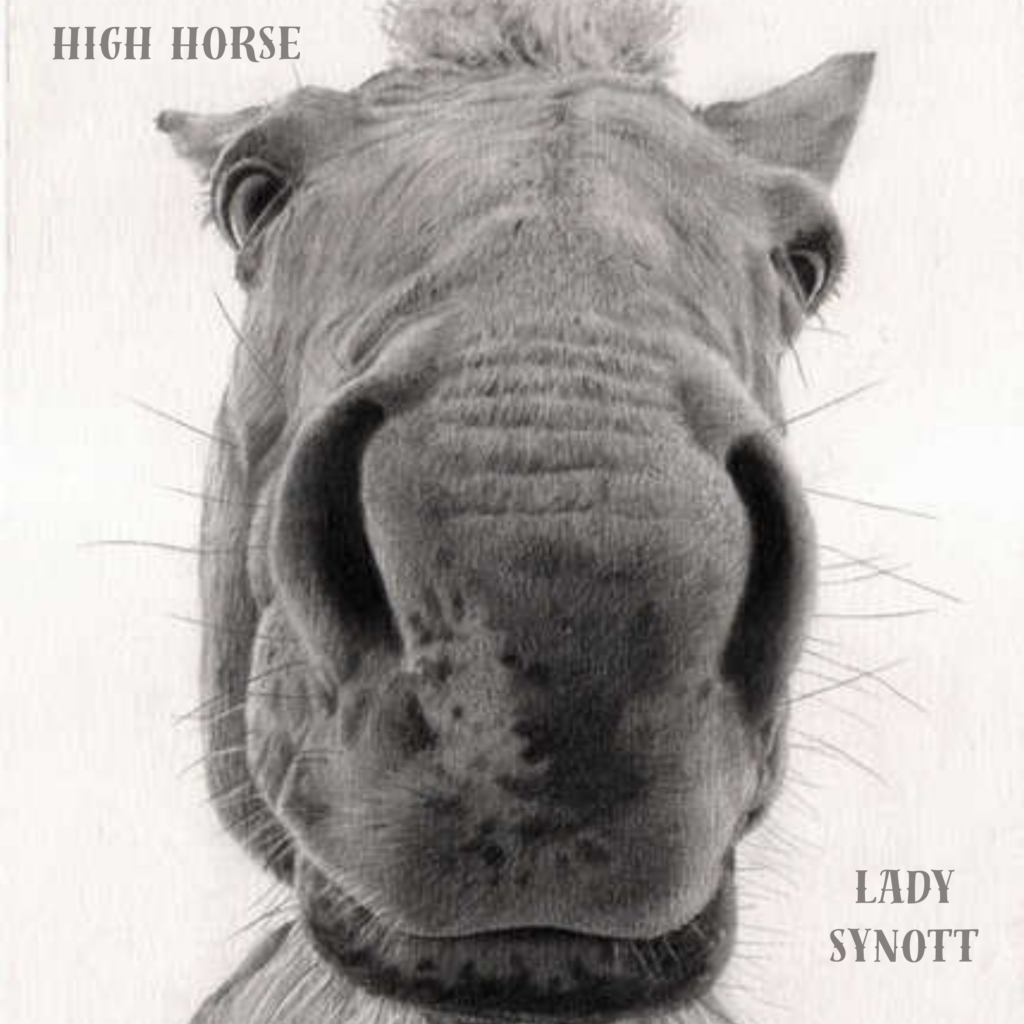
High Horse puts dynamics at the heart of that introduction. The band wanted room for both rhythmic force and delicacy, allowing the arrangement to travel between different emotional temperatures. Sparse, melodic verses give the song somewhere to begin before a larger, uplifting chorus opens the space around them. That movement matters because volume alone rarely creates a memorable rock song. A chorus needs something to emerge from. Lady Synott understand the appeal of holding a little back, letting the quieter passages establish their own character before the full band makes its presence felt. The contrast gives their debut a clear shape.
The song takes on the complications of human relationships, moving through hope, frustration and the difficulty of seeing beyond an immediate reaction. High Horse is an apt title for that territory. It suggests the awkward distance that can appear when pride enters a conversation, when being understood becomes tangled up with wanting to be right. The band leave space for perspective within those feelings. There is something appealing about pairing reflective verses with an expansive chorus here: the arrangement offers a release that the subject itself might resist. Difficult emotions get room to move rather than settling into one fixed mood.
Harmony is central to Lady Synott’s identity, and it makes sense within this approach. Voices together can lend warmth to a song even when its subject carries friction. They also offer another way to build intensity, bringing different shades into a melody instead of relying entirely on louder guitars. Alongside the dynamic rhythm section, that emphasis gives the band several means of lifting the material. Their reference points span Fleetwood Mac and the Rolling Stones, with Wolf Alice and CMAT offering contemporary points of connection. Melody, personality and the pleasure of musicians responding to each other connect that broad musical territory.
Those connections have been tested on stages across Ireland. Lady Synott’s live appearances include Whelan’s, The Workman’s Club, The Grand Social and IMMA, as well as Dolan’s in Limerick and Otherside Festival in Slane. It is a substantial foundation for a band introducing its first single. Playing regularly teaches lessons that rehearsals can only partly provide: how an arrangement holds attention, where a quieter moment needs confidence, how to give a chorus enough weight without exhausting it. High Horse comes from a group already accustomed to sharing those decisions in real time. Their recording debut follows an existing working relationship.
Dublin’s Hellfire Studios provided the setting for bringing that relationship onto record. High Horse was tracked largely live, with the musicians recording together in the studio’s live room. For a band whose appeal depends on interaction, the choice has a practical logic. A shared performance allows the players to react to small changes in emphasis and momentum as they happen. It also suits a song built around shifts in scale. Moving together from a restrained verse into a broader chorus becomes part of the performance itself, with each musician contributing to the transition. The recording method follows the song’s needs.
Hellfire’s vintage equipment also helped the band pursue a warm, analogue character. That detail fits their influences, though the more interesting consideration is what the warmth supports. Lady Synott place songwriting and ensemble playing at the centre of the project, so the production has a clear purpose: give those elements a convincing setting. Their affection for older rock records is evident in the priorities they describe, from vocal arrangements to rhythmic drive. There is plenty of scope within those traditions for an individual voice, especially when a band concentrates on how the parts work together and what the song needs emotionally.
For Apricot Magazine, the promising aspect of High Horse is the sense of proportion behind it. Lady Synott have chosen a debut that introduces several strengths within a coherent idea. There are melodic hooks to hold onto, quieter passages that invite attention and a chorus intended to carry across a room. Their interest in classic rock comes through as an understanding of its useful foundations: contrast, interplay and a strong refrain. The relationship themes give that framework a human centre. A listener does not need an encyclopedic knowledge of the band’s influences to recognise frustration, hope or the wish to find common ground.
High Horse begins Lady Synott’s recorded story with their feet planted firmly in the work they have already done. The shows, rehearsals and shared instincts all lead toward this first release. What comes next will reveal more of their range, but there is a clear invitation here already. Follow the melody, notice the spaces between the bigger moments and leave a little room for another perspective. With a debut shaped around connection, Lady Synott give audiences a good reason to meet them halfway.