
There is genuine artistic momentum embedded in an artist who keeps pushing further into a specific thematic obsession rather than exhausting it after a single album, and Lights Over Whiteknights captures Lee Switzer-Woolf continuing exactly that trajectory. This second single of 2026, arriving after March’s I Might Be an Alien, positions itself as another step within Switzer-Woolf’s broader movement away from his established folk roots and considerably deeper into full electronic territory, building toward a third studio album still expected before the year’s end.
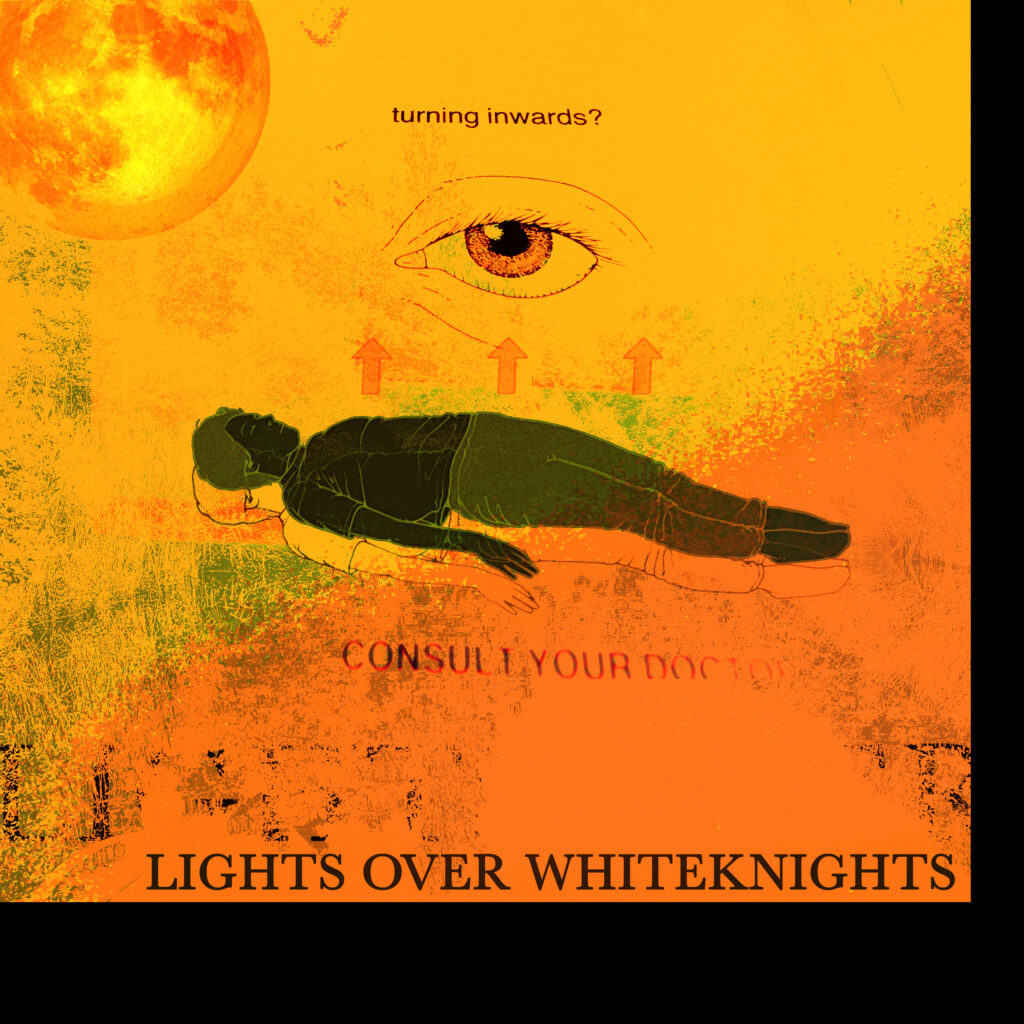
Musically, the track demonstrates that continued evolution clearly, opening with jingling electric guitars driven forward by genuinely captivating, forthright beats before eventually building toward a synth-laden crescendo. That structural progression, moving from something relatively contained toward considerable electronic maximalism by the track’s conclusion, reflects Switzer-Woolf’s broader artistic development across recent releases, an artist increasingly comfortable embracing electronic production’s full sonic possibilities rather than treating those elements as secondary decoration layered over more traditional folk-influenced songwriting.
What distinguishes Switzer-Woolf’s work throughout this considerable sonic transformation is his consistent commitment toward poetic, layered lyricism remaining the actual focal point regardless of however much the surrounding production continues expanding. Lights Over Whiteknights extends themes of isolation and struggle against the genuinely mundane that were already established within I Might Be an Alien, while also developing the otherworldly, abduction-adjacent imagery that first appeared prominently within his 2025 single Flying Saucer Working Party. That sustained thematic thread across multiple releases suggests genuine, deliberate world-building rather than scattered, disconnected songwriting, an artist constructing something considerably more coherent across his broader catalog than any single isolated track could fully represent alone.
The song’s central lyrical image, describing someone stolen by paradox and admitting genuine uncertainty about ever truly knowing that person until after they were already lost, captures something genuinely complex about how Switzer-Woolf approaches his considerable interest in alien and abduction mythology. Rather than treating those particular science fiction tropes purely as playful genre exercise, he apparently uses them specifically as vehicle for examining genuine human loss and disconnection, the strange way absence sometimes reveals understanding that presence itself never quite managed to provide. That combination, otherworldly imagery carrying genuinely earthbound emotional weight, gives Lights Over Whiteknights real depth beneath its increasingly electronic, atmospheric surface.
There is something worth noting in how directly this release connects toward Switzer-Woolf’s 2024 album Annihilation Signals, which apparently found him watching the skies specifically, suggesting genuine sustained fascination with cosmic and extraterrestrial imagery extending across multiple years and several distinct releases. His newer material has apparently pushed that attention considerably further into the beyond, suggesting genuine artistic development within this particular thematic territory rather than simply repeating the same established imagery without meaningful evolution or deepening across subsequent releases.
That progression, from watching the skies toward reaching considerably further beyond them, mirrors Switzer-Woolf’s own parallel sonic evolution directly. Just as his lyrical content continues pushing outward into increasingly expansive cosmic territory, his actual musical production has similarly moved further from folk’s more grounded, acoustic foundation toward electronic music’s considerably more expansive, atmospheric possibilities. That alignment between thematic and sonic development suggests real artistic intentionality, an artist whose musical evolution genuinely mirrors and reinforces whatever conceptual territory his songwriting continues exploring simultaneously.
Based in Reading, Switzer-Woolf has built his particular folktronica identity around exactly that kind of genre bridging, combining folk’s established lyrical tradition and emotional directness alongside electronic music’s considerable atmospheric and production possibilities. That hybrid approach positions him within a genuinely interesting space between two traditions that don’t always naturally intersect, and his continued movement toward fuller electronic sound across recent singles suggests an artist genuinely willing toward following his own creative instincts even when that means moving considerably further from whatever specific genre foundation originally established his artistic identity.
What ultimately distinguishes Lights Over Whiteknights within Switzer-Woolf’s broader catalog is how confidently it builds toward its own considerable synth-driven climax while never losing sight of the lyrical specificity and emotional weight that apparently remains central throughout his work regardless of whatever particular production choices surround it. That balance, embracing considerable sonic expansion while maintaining genuine lyrical focus, requires real compositional discipline, ensuring the track’s eventual crescendo feels earned through accumulated tension rather than arriving as pure sonic spectacle disconnected from the song’s actual emotional content.
As Switzer-Woolf continues building toward his third studio album, expected before 2026 concludes, this single offers genuine insight into where his broader artistic trajectory currently stands, an artist increasingly confident embracing electronic production’s full expressive range while still anchoring that considerable sonic ambition within poetic, genuinely personal songwriting examining isolation, loss, and the strange, otherworldly imagery he has apparently found himself returning toward repeatedly across recent years.
By combining continued sonic evolution toward fuller electronic territory alongside sustained, deepening lyrical exploration of alien mythology and genuine human disconnection, Lee Switzer-Woolf has built Lights Over Whiteknights into a single that succeeds specifically through its combination of atmospheric ambition and emotional specificity. This track represents another considered step within a genuinely coherent, ongoing artistic project, suggesting whatever comes next across his forthcoming third album will likely continue pushing that same fascinating tension between cosmic imagery and genuinely grounded human feeling even further into whatever territory still awaits beyond wherever his attention has currently settled.


