Emerging from Scotland with a sound forged in sweat, repetition, and shared intent, Ostraka arrive with Magistri as a fully formed statement of identity. Released on December 20, 2025, the eight track album captures a band that understands both restraint and release, blending heaviness and melody with a confidence that only comes from time spent playing together in close quarters. This is not a debut that plays it safe. Magistri feels lived in, scarred at the edges, and sharpened by purpose.
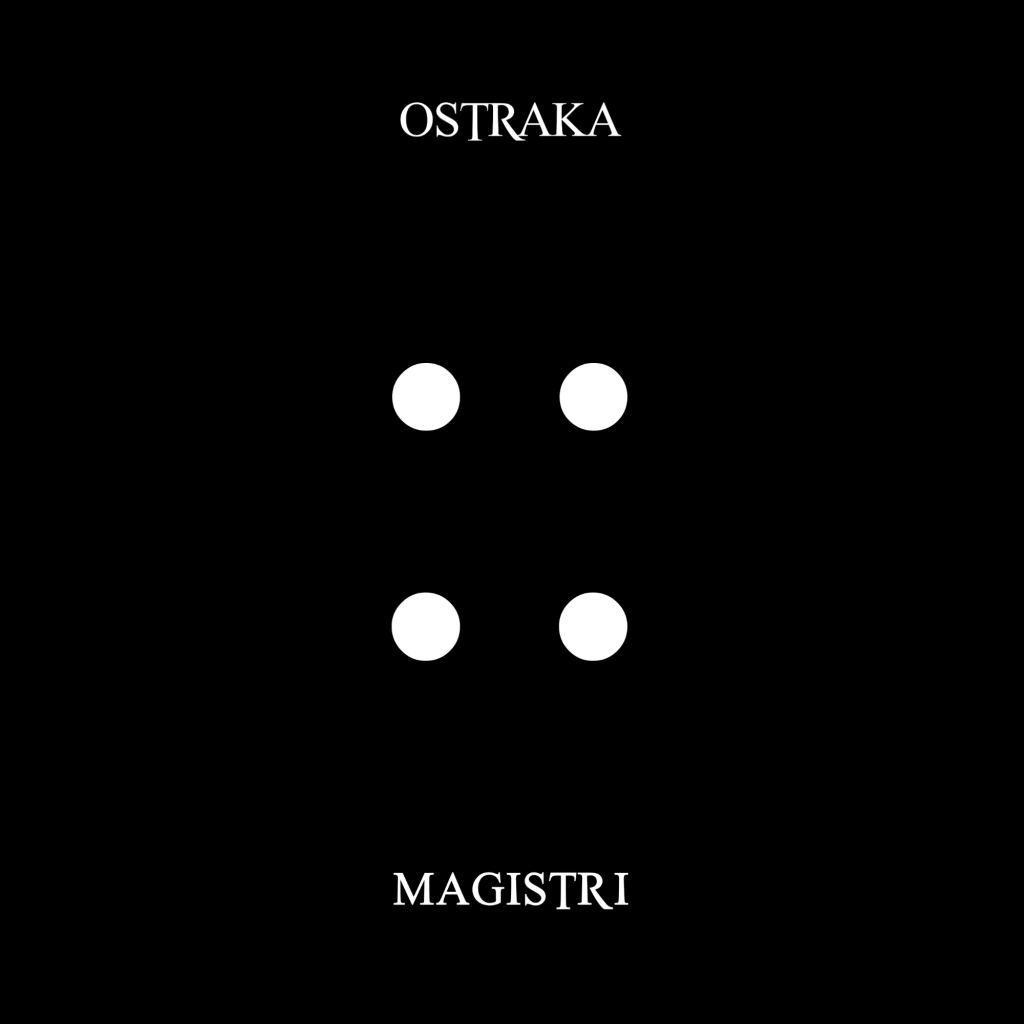
Ostraka formed in 2023, drawing their name from an ancient political act where exile was decided by collective voice. That idea of judgment, consequence, and communal weight echoes through their music. The band members Gav on vocals and guitar, Colin on guitar, George on bass, and Jamie on drums built their chemistry the old fashioned way through garage jams and local shows. Those hours matter. You can hear it in how the songs breathe, tighten, and explode with instinctive timing rather than polish alone.
Magistri was written and mixed in Jamie’s garage, a space that became both workshop and testing ground. Early sessions followed a traditional approach, building tracks piece by piece. Halfway through the process, the band made a decisive shift. The remaining songs were recorded live in single takes, prioritizing energy over perfection. That decision defines the album. The final four tracks feel immediate and volatile, like doors thrown open after careful construction.
The opening run of studio tracks sets the emotional and sonic tone. All the Love in the World balances weight and vulnerability, opening the record with a sense of scale that feels both personal and expansive. The riffs land heavy but never suffocate the melody, giving Gav’s vocal delivery room to move between grit and clarity. Nothing Left to Kill follows with a darker pulse, pushing forward with urgency and tension that mirrors its title. There is a sense of exhaustion in the groove, as if the song is wrestling with its own momentum.
Eating Leeches sharpens that aggression, leaning into discomfort without tipping into chaos. The guitars bite and pull back in waves, while the rhythm section keeps everything grounded and relentless. Always Lost shifts the emotional lens inward, pairing reflective lyrics with a chorus built for communal shouting. It is here that Ostraka’s grasp of melody becomes most apparent. The band never sacrifices heaviness to achieve accessibility. Instead, they let both coexist.
The album then pivots into its live recordings, captured straight from the garage floor. Timeworn arrives first, carrying a rawness that feels almost confrontational. There is no safety net here. Every hit, breath, and slight imperfection adds to the track’s authority. Sidescroller builds on that momentum with a rolling groove that nods to grunge and power driven metal without leaning on nostalgia. The performance feels locked in, driven by eye contact and instinct rather than click tracks.
Ten and Ritual complete the record with a sense of ritualistic release. Ten pulses with controlled aggression, its structure unfolding naturally as if the band is discovering the song again in real time. Ritual lives up to its name, closing Magistri with a performance that feels ceremonial rather than final. It is not an ending so much as a statement of intent.
Throughout the album, Ostraka draw from a wide range of influences, including the emotional weight of grunge, the muscularity of groove driven metal, and the atmospheric tension of modern heavy rock. Yet Magistri never feels derivative. The band’s interest in art, literature, and history gives their songwriting an extra dimension. Themes of power, loss, resilience, and judgment surface without becoming didactic. The lyrics leave space for interpretation, trusting the listener to meet the music halfway.
What makes Magistri particularly compelling is its balance. The album is hard without being blunt, melodic without being soft. Big choruses rise naturally from tight riffs rather than feeling grafted on. The rhythm section plays with authority but also with patience, allowing songs to stretch and contract as needed. Jamie’s drumming anchors the chaos, while George’s bass work adds depth and movement beneath the guitars.
As a debut album, Magistri feels unusually assured. Ostraka do not sound like a band searching for their voice. They sound like a band refining one they already trust. Recording half the album live was a risk, but it pays off by capturing the chemistry that likely makes their live shows hit so hard. You can almost picture the garage walls shaking as the final takes roll.
In a landscape where heavy music often leans toward either overproduction or deliberate lo fi aesthetics, Magistri finds a middle ground that feels honest. It respects the craft of recording without sacrificing the adrenaline of performance. For listeners drawn to music that values both feeling and force, Ostraka’s debut offers a compelling entry point.
Magistri stands as a declaration rather than an introduction. It suggests a band ready to push further, louder, and deeper without losing sight of what brought them together in the first place. Ostraka have carved something solid here, and it feels less like a first step and more like a foundation.