Operating at the intersection of raw street realism and high level technical architecture demands a remarkably rare disciplined mindset. Most modern recording artists completely surrender their creative autonomy to corporate record labels in exchange for temporary digital clout. Independent founder and system architect Plush Sanches radically rejects this passive industry model throughout his late July extended play Dread It. Released through Illinois entity DaOne Records, the six track collection serves as a massive masterclass in patient capital reinvestment and absolute executive control. He builds a fortified acoustic ecosystem from the pavement up, proving that independent control still reigns supreme.
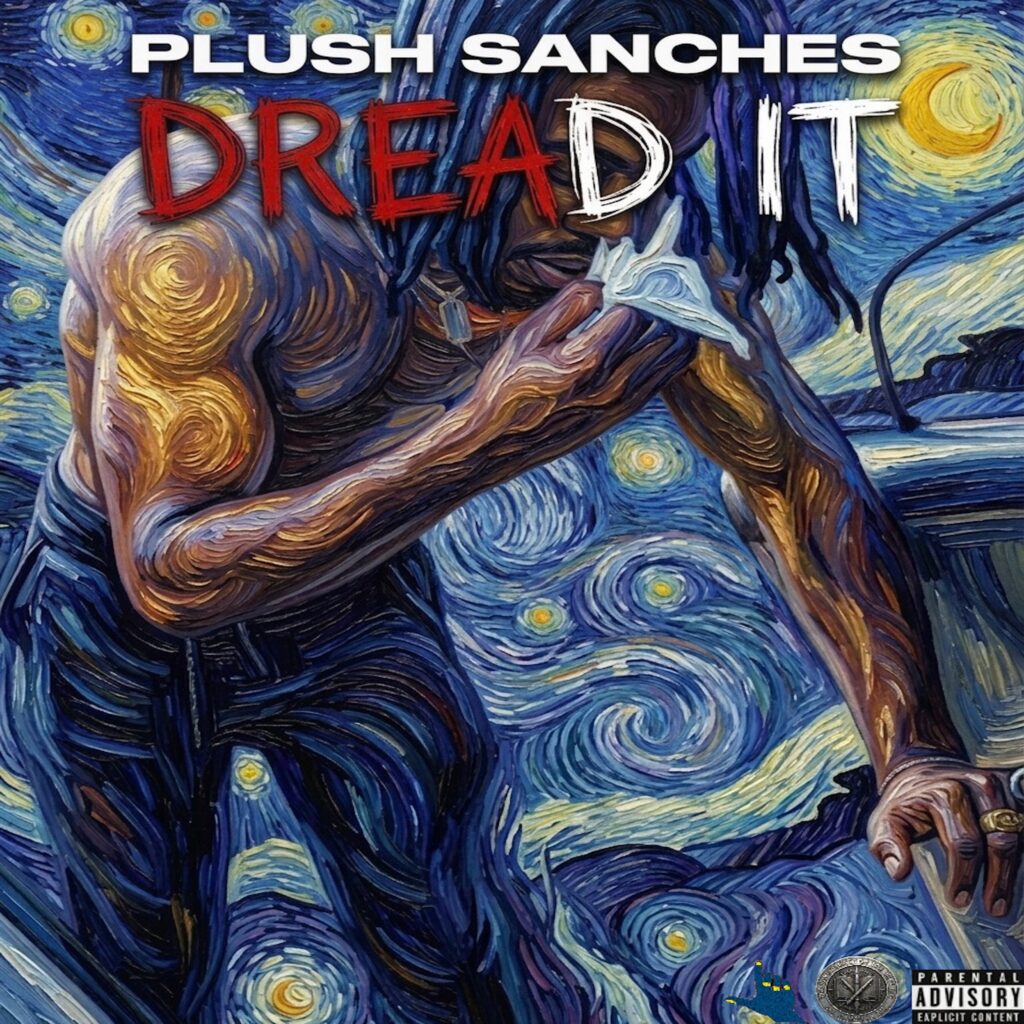
Connecting the aggressive energy of West Atlanta neighborhoods with complex artificial intelligence structures produces a wildly futuristic audio dynamic. Jerry H Strong III approaches music production less like a traditional songwriter and far more like a master software developer. Every passing bass frequency and digital synth texture feels calculated to maximize structural integrity while retaining authentic physical grit. He strips away synthetic industry pretenses to explore heavy themes regarding financial sovereignty, personal vigilance, and unyielding ambition. The resulting soundscape violently collides digital trap architectures against raw alternative rock elements without ever losing its heavy rhythmic momentum.
Opening the sequence with absolute hostility immediately establishes an impenetrable boundary against external labels attempting to define his trajectory. No Paint features high frequency digital trap production masterminded by DBthePlug to create an undeniably aggressive introductory anthem. Sanches utilizes rapid fire cadences to detail his calculated asset positioning while completely rejecting superficial industry polish. The lyrics make it clear that internal drive matters vastly more than temporary cosmetic cosmetics designed to fool passive listeners. It functions as a powerful warning that his independent machine operates entirely on its own strict terms.
Accelerating the structural tempo requires balancing vibrant commercial pop hooks against an uncompromising street discipline. Biggest Vibes relies on fast paced alt pop production provided by SomePurp to construct a remarkably catchy yet cautious environment. The arrangement effortlessly weaves pop culture references through a dense wall of sub bass while maintaining constant tactical awareness. He explicitly reminds the audience that surviving high speed success requires keeping one eye open to potential external threats. This brilliant juxtaposition of infectious energy and paranoid vigilance prevents the record from ever sounding naive or foolishly overly comfortable.
Tracing the long evolutionary journey from neighborhood corner stores to high level financial adaptability demands a smooth acoustic transition. Gaas delivers a bounce heavy hip hop rhythm engineered by WaveyTrey that perfectly cradles his introspective vocal delivery. The songwriter reflects on building sustainable wealth through patience rather than chasing temporary internet trends. His verses flow with a natural conversational ease that highlights his immense maturity as both a businessman and a recording artist. Listeners are given an authentic blueprint for transforming early pavement struggles into permanent financial independence.
Stepping completely into the role of a solitary producer yields the most emotionally raw and atmospheric moment on the entire record. Dim Light stands out as a remarkable alt rock centerpiece written, produced, engineered, and performed entirely by Sanches alone. Atmospheric guitar chords drift through dark audio space to simulate the overwhelming isolation of navigating complex life decisions without external reliance. His vocal delivery shifts into a brooding alt rap register that emphasizes the quiet discipline required to find internal direction in dim surroundings. This total creative isolation proves his individual technical capabilities match his massive executive ambitions.
Reinforcing non stop momentum requires a return to heavy knocking percussive arrangements that physically force the listener to move. Call Some More utilizes intense trap production from Axed to construct an unyielding wall of low end frequency response. The vocal performance project absolute tunnel vision, focusing entirely on pavement level execution and relentless daily discipline. He completely ignores outside noise to keep his mechanical apparatus pushing forward at maximum efficiency. This calculated drive serves as a visceral reminder that long term success is built through consistent daily labor rather than sudden strokes of luck.
Concluding this ambitious architectural thesis demands a massive climactic statement regarding legacy, mentorship, and ecosystem defense. Shout brings the extended play to a powerful close over dynamic alt rap production from TraptheKid. Sanches catalogs his complete journey from zero to executive leadership while outlining his responsibility to guide the next generation of independent creators. The heavy instrumental framework expands to envelope his confident declarations of absolute victory over corporate gatekeepers. It operates as a triumphant victory lap for an artist who successfully built his own empire from the ground up.
Balancing five distinct genres across six tightly structured compositions requires an extraordinary level of spatial audio mixing discipline. The project seamlessly integrates digital trap sub bass, alternative rock guitars, and electronic synth textures without allowing any single element to muddy the master recording. Every instrument occupies a precise frequency domain, ensuring the rapid vocal cadences remain crystal clear above the heavy low end movement. This pristine technical execution highlights the immense benefits of maintaining total independent control over the recording and engineering processes. The final audio files shine with a rare digital precision that rivals any major label release.
Building an independent record company requires vastly more courage than simply uploading songs to digital distribution networks. Sanches treats DaOne Records as a sustainable economic vehicle designed to protect artistic freedom and generate long term enterprise value. His strategic focus on patient capital reinvestment separates him entirely from artists who immediately squander their early earnings on temporary luxury items. This mature perspective informs every single decision made throughout the creation and distribution of his expanding catalog. He demonstrates that true artistic power comes from owning the underlying distribution infrastructure rather than merely renting space on foreign platforms.
Escaping the suffocating traps of modern commercial music requires an unyielding dedication to original authentic storytelling. Dread It ultimately stands as an undeniable testament to what can be achieved when raw talent is paired with high level structural thinking. As the final decaying synth notes fade into silence, the listener remains deeply impressed by the absolute clarity of his artistic vision. Plush Sanches has successfully constructed an impenetrable fortress of independent sound that will undoubtedly inspire future generations of self funded creators. The battle for absolute artistic sovereignty has been fought, won, and permanently documented in digital code.