
There is a particular kind of silence that follows telling someone no for the first time. The request might be unreasonable, the answer perfectly fair, yet suddenly you are the person who has made everything uncomfortable. RODDY puts that familiar reversal at the centre of MenacE, released on October 9, 2026. The Nashville and New York-based indie-pop artist has had enough of accommodating everyone else, and her new single gives that exhaustion somewhere loud to go. It is an inviting premise for a pop song: the reliable peacekeeper finally decides that keeping the peace costs too much.
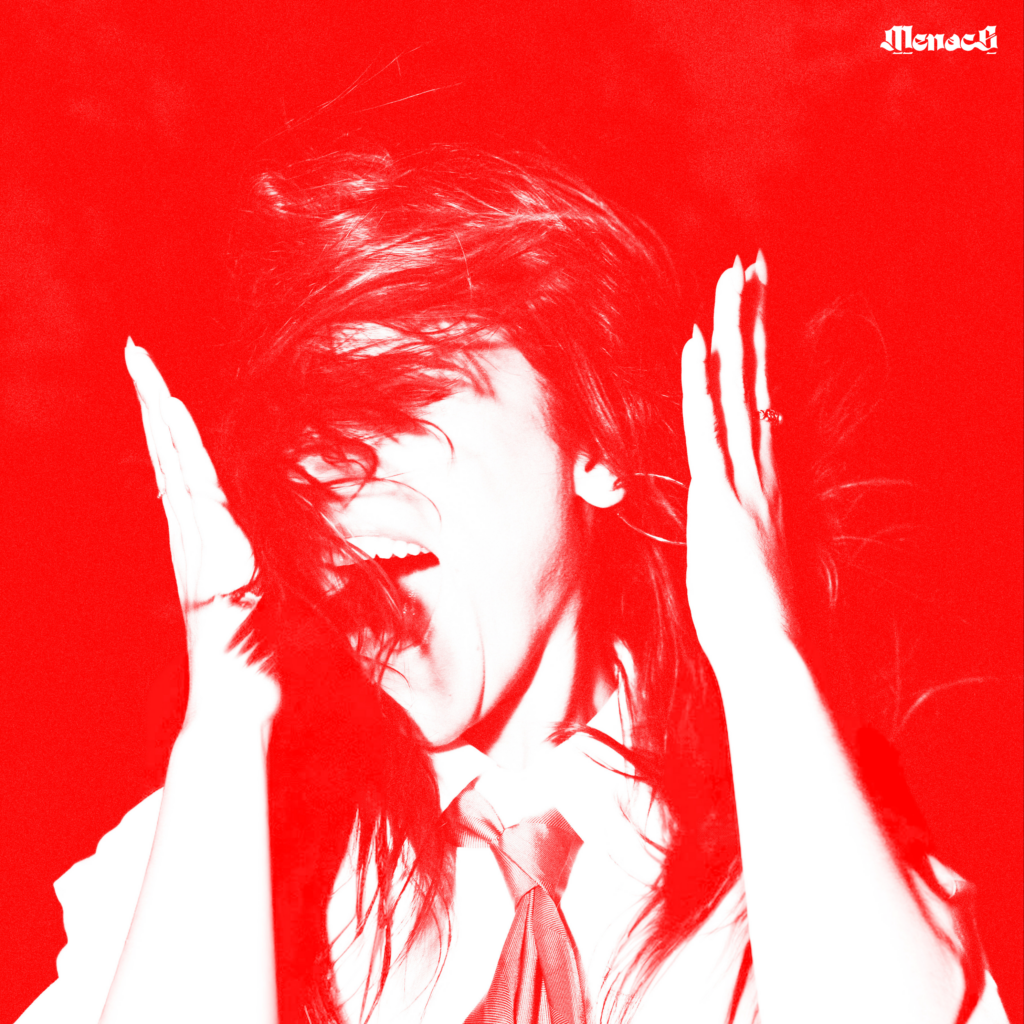
The title has a wicked little smile attached to it. Being labelled a menace sounds almost flattering when the supposed offence is refusing to shrink yourself. RODDY uses that discrepancy to give the song its bite, exploring how quickly an agreeable person can become an inconvenience once their agreement stops being automatic. Plenty of listeners will recognise the situation before considering its larger implications. A favour becomes an expectation, forgiveness becomes routine, and patience starts looking suspiciously like permission. Eventually, someone has to interrupt the arrangement. Here, that interruption becomes the occasion for an anthem.
What makes the idea appealing is its attention to the social awkwardness of setting boundaries. Knowing you need them rarely makes enforcing them pleasant. There are explanations to give, disappointed reactions to absorb and the temptation to withdraw your objection simply because everyone seemed happier beforehand. MenacE catches the frustration underneath that temptation. RODDY would rather accept an unflattering description than continue performing a version of herself organised around other people’s comfort. That choice gives the release a recognisable emotional stake, particularly for anyone who has apologised while asking for something entirely reasonable.
Her emotionally direct songwriting meets an explosive indie-pop framework, with tension developing towards an outsized final stretch. That progression is well suited to the subject. Repeated accommodation has a cumulative quality: each individual incident might seem too small to challenge, until the collection becomes impossible to ignore. A song that builds has room to reflect that pressure gathering. The eventual release offers a physical outlet for an experience that often leaves people rehearsing arguments privately. There is considerable appeal in a chorus made for singing loudly when ordinary conversation has begun to feel like another negotiation.
The playful side matters just as much as the confrontation. Anger can make a song feel narrowly addressed to whoever caused it, whereas humour opens the door to everyone who recognises the pattern. RODDY’s premise allows a little enjoyment in the accusation itself. Once being difficult means having preferences, protecting your time or refusing another exhausting compromise, the word loses some of its authority. That gives MenacE a useful streak of mischief. There is freedom in discovering that a reputation you were carefully protecting might have depended on an arrangement you no longer want to maintain.
Originally from Orlando, Florida, RODDY began performing at three and later earned a BFA in Musical Theatre from Florida State University. That background provides useful context for an artist whose project places personality and performance near its centre. Theatre asks a performer to make emotional choices legible, giving an audience a reason to follow a character through changing feelings. A subject like this offers plenty to work with: irritation, hesitation, indignation and the pleasure of finally speaking plainly. Her current indie-pop direction gives those impulses a setting with room for both candour and scale.
The single follows derrick rose and thick of the storm, continuing a move towards a bolder artistic identity. Its significance lies partly in how clearly it establishes the concerns of her next chapter. As the first release from a forthcoming body of work, MenacE introduces boundaries, heartbreak, anger and self-preservation as material she intends to explore further. These subjects can become broad slogans in pop, but this opening has a concrete starting point. Someone has been expected to keep accommodating, and that expectation has become intolerable. The larger questions grow naturally from a specific interpersonal problem.
Her cited influences include Maggie Rogers, Olivia Rodrigo, Gracie Abrams, Holly Humberstone and Balu Brigada, placing the project within an alternative-pop landscape where emotional immediacy carries considerable weight. Those names offer context, although RODDY’s own premise supplies the more persuasive introduction. The interesting character here is the person who has become tired of being considered easygoing. There is an entire history implied by that word: previous concessions, swallowed irritation and conversations abandoned before they began. MenacE gives her a chance to change the description, even if she cannot control what replaces it.
There is also something refreshingly untidy about making this the beginning of a new chapter. Growth often involves conversations that go badly, decisions that feel selfish and anger that arrives before a more measured explanation. RODDY allows those uncomfortable stages into her songwriting. The empowerment comes with friction still attached, which makes the idea easier to recognise. Listeners do not have to arrive feeling fearless. They can bring their annoyance, their doubts and the message they have rewritten six times. The song offers an energetic place to put all of it.
MenacE gives RODDY’s emerging catalogue a pointed, memorable next step. Its confrontation carries humour, and its subject gives the expanding pop framework a clear purpose. For anyone exhausted by being the understanding one, it offers a satisfying invitation: let somebody else handle the awkward silence this time.


