Sometimes music takes the long way around before finding its moment. In the case of Rusty Reid’s newly released album The Unreasonables, that detour lasted over four decades. What began as a project in the late 1970s has finally emerged from the vaults, fully realized, polished, and burning with the kind of rock and roll spirit that feels both nostalgic and startlingly fresh. Released on August 31, 2025, the 19-track double album is not only a testament to Reid’s versatility as a songwriter but also a rare gift: a time capsule that roars back to life with an intensity that refuses to fade.
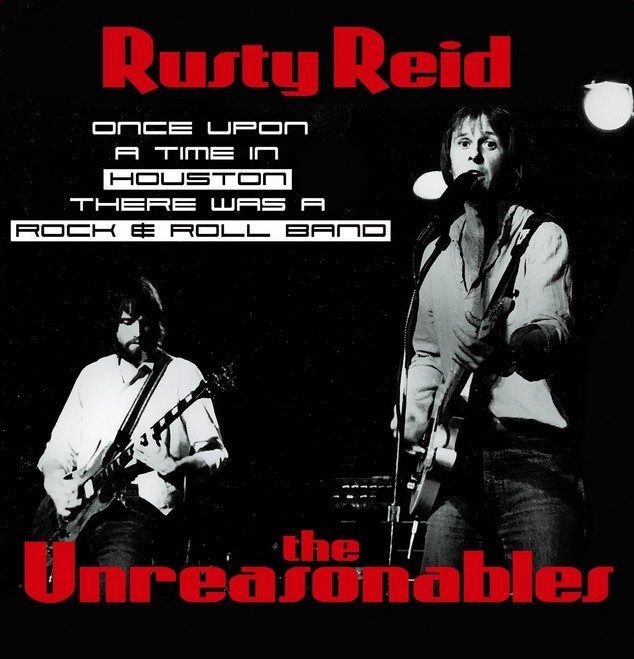
Reid, known primarily for his indie-folk, country, and philosophically infused songwriting, takes a sharp detour here. The Unreasonables is not about musings on spirituality, politics, or philosophy. Instead, it is primal, unvarnished rock and roll. These are songs about lust, desire, frustration, fire, and heartbreak—raw emotional states that don’t need lofty interpretation to cut deep. This is Reid and his band of crack players, also dubbed The Unreasonables, diving headfirst into melody-driven rock, delivering track after track of hook-heavy anthems that feel like they’ve been waiting patiently for their rightful place in the sun.
The album bursts open with Hot as a Pistol, a swaggering opener that sets the tone immediately. Guitars blaze with bluesy grit, and the rhythm section locks into a groove that feels like it could carry the entire record on its back. Reid’s voice doesn’t plead or whisper—it commands, straddling that sweet spot between grit and clarity. The song’s fiery attitude declares what the rest of the album proves: this is rock and roll that doesn’t apologize for being bold, brash, and alive.
Tracks like Hurricane and Crossfire follow with equal force, balancing power and melody in ways that recall the greats of 70s and 80s rock radio. They are anthemic but not overblown, the kind of songs that demand windows rolled down and volume cranked up. There’s a universality to their themes—turbulent love, clashes of willpower—that resonates as strongly now as it would have back then.
But Reid and his band don’t stop at pure adrenaline. The album shifts gears on songs like Coldhearted and You’re Not the One, where sharp lyrics bite into failed love and disillusionment. The instrumentation stays tight, hooks never stray, but there’s an emotional weight beneath the energy. In these moments, Reid shows that even in a collection designed for primal impact, his gift for storytelling remains intact.
What makes The Unreasonables so compelling is its sheer breadth. Nineteen tracks is a bold statement in any era, but this album earns every minute. Songs like Shock Me and Piece of the Action lean into playful, almost tongue-in-cheek rock bravado, while Impatient and Enough Is Enough bring a harder edge that hints at punk urgency without abandoning melody. Calcasieu Sue, meanwhile, veers into swampy rock territory, drenched in Southern character and groove, while Only Right Girl and Me and You tap into a more romantic, almost pop-rock sensibility.
By the time the album reaches Attitude Change and Let’s Just Talk, it’s clear Reid wasn’t afraid to play with tones and textures, even while keeping the overall sound firmly rooted in classic rock tradition. The songs balance between muscular instrumentation and memorable choruses, never meandering, always moving forward. How Much More ramps up intensity again, bristling with urgency, before Edge of the End and The Way She Does Me close the record with powerful statements. The latter, in particular, sticks like a signature—catchy, lustful, and joyfully alive.
Listening to The Unreasonables is a strange and thrilling experience. On one hand, it feels unmistakably of its time, steeped in the aesthetics of a bygone rock era. On the other, its release now makes it feel rebellious in a different way. Where so much of modern rock gets lost in polish or drifts toward genre hybrids, Reid’s record is defiantly straightforward. It’s an album that remembers the power of riffs, choruses, and raw emotion—an album unafraid of hooks and unashamed of its primal energy.
The story behind its creation only adds to its mystique. What if, Reid seems to ask, a band crafted something with real hit potential, then shelved it for reasons lost to history? What happens when that work is finally unearthed decades later? The answer is an album that plays less like a dusty artifact and more like a live wire finally given the chance to spark.
For longtime fans of Rusty Reid, this album might come as a surprise. His earlier works established him as a thoughtful, philosophical writer, one who used music as a platform to examine the big questions of life. With The Unreasonables, he shows another side of his artistry, one driven not by questions of meaning but by the raw, universal truths of desire, frustration, and joy. It is a reminder that even the most reflective songwriters have roots in primal energy, and Reid embraces those roots with abandon here.
At nineteen tracks, The Unreasonables feels like a feast, and while it’s easy to pick out highlights, the true magic lies in the cumulative effect. It’s the sense of a band playing with chemistry and urgency, track after track, like they know these songs might never see the light of day again unless they make every note count. That urgency translates into a record that doesn’t let go, even when the final chord fades.
The Unreasonables is more than an album. It’s a resurrection, a second life for music that might have been lost forever. It’s proof that good songs don’t age—they wait, biding their time, ready to strike when the world is finally listening. Rusty Reid and his band have delivered something both timeless and timely, an album that embodies the reckless joy of rock and roll while carrying the weight of history.
Forty years late, but right on time, The Unreasonables isn’t just a collection of songs. It’s a reminder of why rock matters, why hooks still hit, and why sometimes the most unreasonable thing is to let music like this stay silent. Now, it finally has its chance to live, and it does so with fire.