Wanting to feel better can become another source of frustration when wanting it changes so little. You recognise the pattern, understand some of its consequences and still find yourself facing a day that resembles the one before it. Manchester-based artist SAKER takes that difficult position as the starting point for setting sun (feat. jay silver), released on September 25, 2026. The second single pairs alternative and shoegaze influences with a personal account of depression. Its subject is the effort involved in seeking a way out while knowing that recognition alone cannot make the cycle stop.
That distinction gives the song a meaningful emotional centre. Writing about recovery can become impatient, moving towards reassurance before there has been enough time to acknowledge what makes change difficult. SAKER’s stated concern is the struggle within that movement, including the distance between an intention and the ability to act on it. There is something recognisable in that gap. A person can know what they hope tomorrow will bring and remain unsure how to reach it. The song approaches that uncertainty through introspection, giving the desire for improvement space alongside the experience of repeatedly finding it beyond reach.
SAKER describes the material as reflecting feelings encountered at different points in their own life. That personal connection matters because it establishes a reason for returning to such difficult territory. The song comes from an attempt to recognise an experience clearly enough to share it. Listeners may arrive with different circumstances, but the hope is that something in the account will feel familiar. The image of a reflection is useful here: music can return a feeling in a form that makes it easier to identify. Someone else has given expression to what had previously remained difficult to explain.
Atmospheric guitars and layered textures provide the musical setting, with moody production supporting the introspective subject. Shoegaze offers an appropriate framework for material concerned with feelings that resist easy definition. Its interest in atmosphere allows emotional weight to exist around a vocal as well as within the words being sung. For SAKER, that relationship is part of the single’s premise. The surrounding textures give the songwriting an environment, allowing the difficulty of the subject to influence the recording beyond its lyrical account. There is room for ambiguity, particularly where a direct explanation might leave important feelings unexpressed.
The cited influences, Slowdive, Radiohead and Lana Del Rey, offer useful coordinates without settling the song’s identity in advance. Together, they suggest an interest in immersive guitar music, emotional intensity and the expressive possibilities of atmosphere. What matters is the purpose those interests serve in SAKER’s own work. The single concerns a cycle that feels personal and persistent, so its musical surroundings need a relationship with that experience. The appeal lies in using familiar alternative references to approach something specific, with the artist’s perspective supplying the reason to listen beyond the names that helped shape their taste.
Jay Silver’s featured vocals introduce another presence into that perspective. On a release addressing an inward experience, the inclusion of a second singer creates possibilities for how the material can be shared. The supplied account does not detail how the vocal parts are divided, but Silver’s contribution is identified as central to communicating the struggle surrounding change. That collaboration gives the single another human point of contact. A song rooted in SAKER’s personal feelings becomes a recording another performer helps carry, bringing an additional expressive voice into an experience that can otherwise feel painfully solitary.
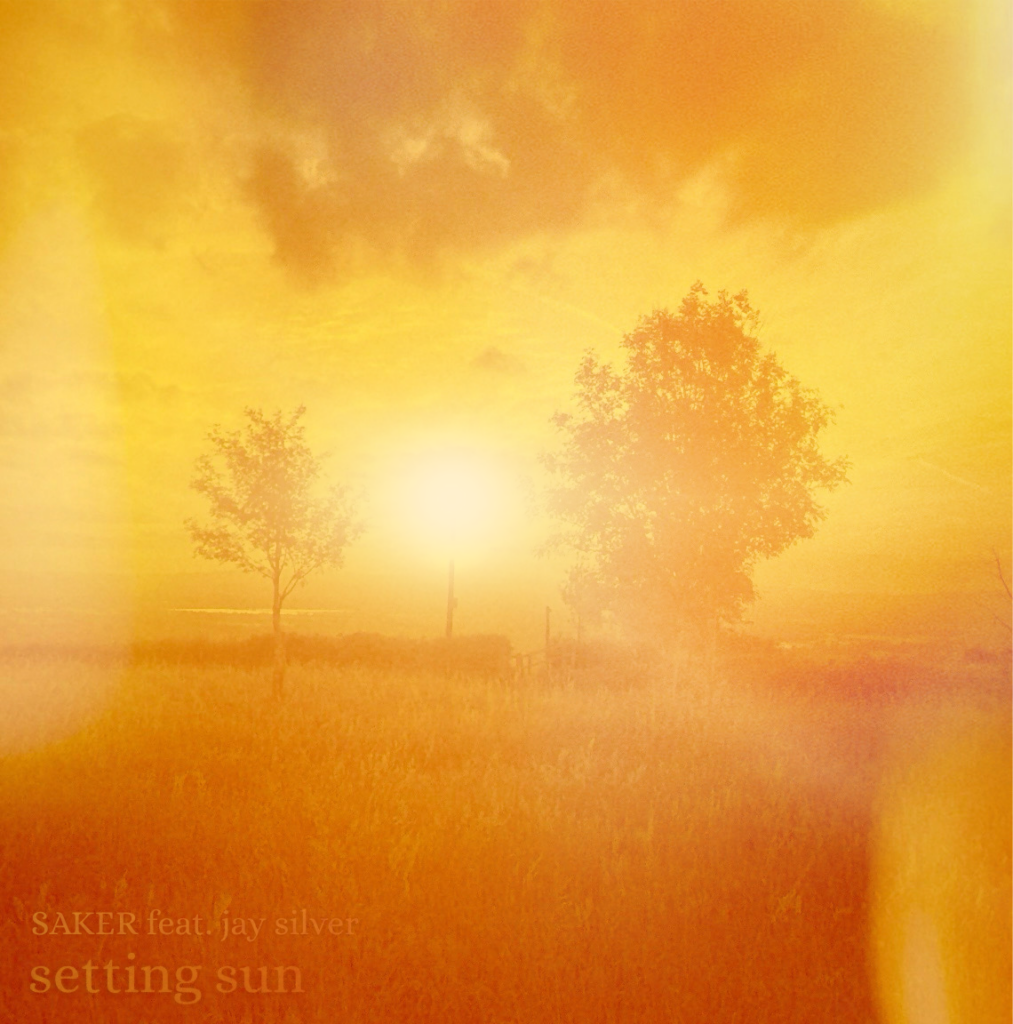
The title offers a quiet image rather than an explicit description of the subject. A setting sun marks an ending, but it also belongs to a repetition that will continue the following day. That association fits the single’s concern with cycles, although it leaves the listener room to decide what the image means within their own encounter with the song. Dusk can suggest comfort, loneliness, exhaustion or the relief of having reached another evening. The openness is valuable. It gives the release a visual point of entry without reducing depression to a single mood or pretending everyone experiences the same hour in the same way.
As a second single, the track helps establish what SAKER wants to explore within the alternative space. The emerging project connects moody production with introspective writing and an interest in experimental British music, placing atmosphere and personal experience close together. That is a promising basis for development when the details remain as important as the general aesthetic. A dark musical setting becomes more compelling when it has an emotional reason to exist. Here, the reason is clear: SAKER is attempting to communicate the frustration of wanting movement while feeling caught, a position with enough complexity to support further exploration.
setting sun (feat. jay silver) offers an introduction to an artist willing to stay with that complexity. Its personal foundation, atmospheric guitars and featured vocal contribution all gather around the difficult interval between recognising a problem and finding a way forward. The strongest idea is the possibility of recognition itself. A song may meet somebody at a point where explanations have become tiring and progress remains uneven, allowing them to hear an experience they know reflected back. SAKER leaves room for the wish to improve and the difficulty of doing so. Both belong in the picture, even as the light begins to change.