
From the gutters of Santa Rosa, California, Speak for the Dead arrives with a debut album that feels less like a release and more like a detonation. Dropping on December 10, 2025, their self titled ten track assault is loud, relentless, and unapologetically confrontational. This is music born from sweat soaked floors, cracked knuckles, and nights where survival and sound are inseparable. Speak for the Dead do not ask for attention. They seize it with distortion, speed, and conviction.
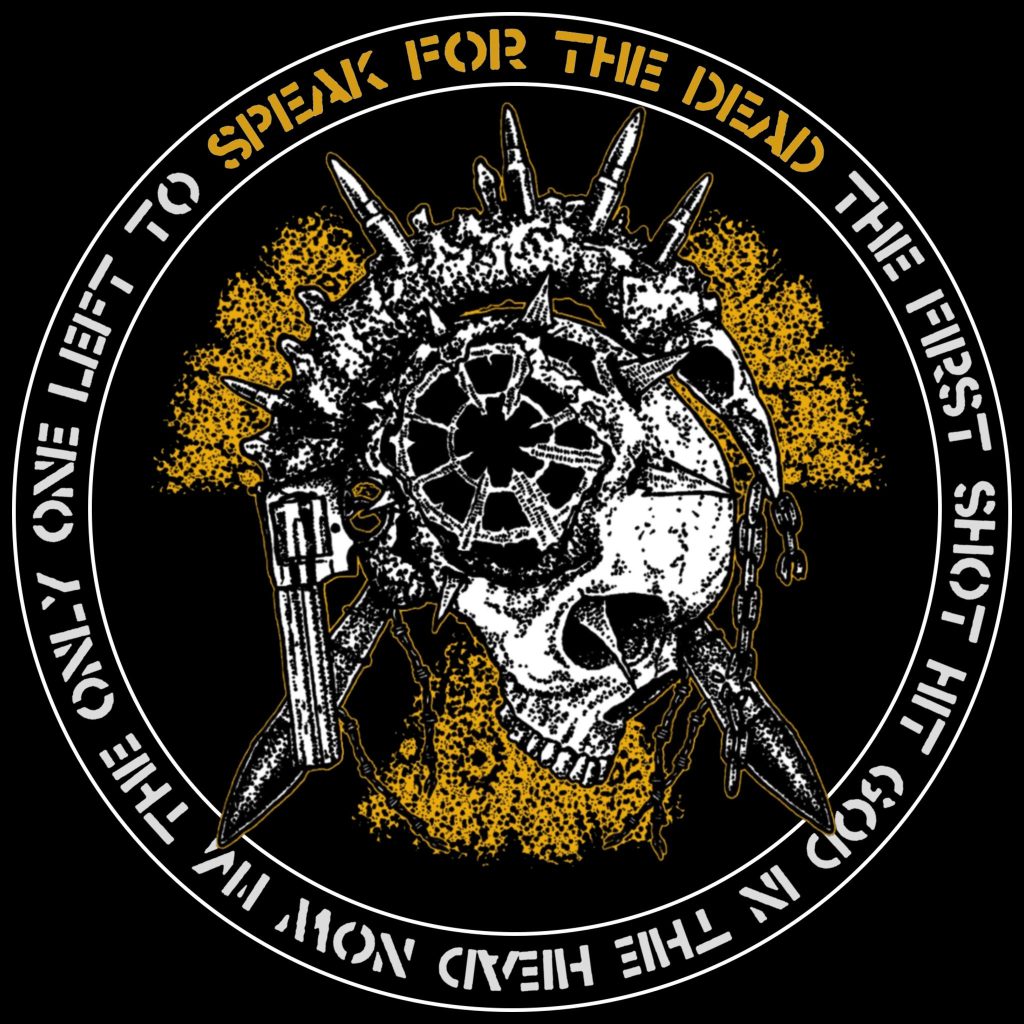
Formed in 2024 by lifelong friends Jordie Hilley and Clay Prieto, both also active members of California Oi veterans Resilience, Speak for the Dead is built on deep roots in punk and hardcore culture. This is not a side project chasing nostalgia. It is a fully formed statement driven by experience and sharpened by hunger. Joined by the ferocious vocal presence of Eric Lundgren, known for his work with Hatchet and Axiom Collapse, and the razor precise guitar work of Nick Parker, the band locks into a chemistry that feels volatile and dangerous in the best possible way.
The album opens with Whatever It Takes…, a mission statement disguised as an opening strike. From the first seconds, the band establishes a sense of urgency that never lets up. The production is raw without being sloppy, capturing the immediacy of a live band playing at the edge of collapse. There is a tangible sense of motion throughout the record, as if each track is chasing the next with barely enough time to breathe.
The World We Know follows with a darker, more ominous tone, blending hardcore punk ferocity with a metallic weight that nods to bands like Discharge and Power Trip without ever slipping into imitation. Speak for the Dead understand their influences deeply, but they use them as fuel rather than a blueprint. The result is a sound that feels timeless yet fully alive in the present moment.
Fighting in the Pit lives up to its name, capturing the chaos and camaraderie of bodies colliding in cramped rooms. The rhythm section drives the track forward like a runaway engine, while Lundgren’s vocals cut through with a raw authority that feels earned rather than performed. There is no irony here, no distance between the message and the delivery. This is music that believes in itself completely.
Rearview Riot stands out as one of the album’s defining moments. It channels the soul crushing intensity of hardcore punk while injecting a sense of reckless speed that recalls the raw spirit of Motörhead. The song feels like a blur of streetlights and sirens, looking back only long enough to realize there is no going back. It is fast, furious, and strangely cathartic.
Headwound dives deeper into the album’s darker emotional territory. The track carries a heavier, almost suffocating atmosphere, allowing the band to explore tension without sacrificing momentum. The guitar work here is especially striking, weaving sharp riffs with bursts of feedback that feel both controlled and barely contained. It is a reminder that Speak for the Dead are not afraid to slow the pace just enough to make the impact hit harder.
Take Back the Streets reasserts the band’s street level ethos, a rallying cry that feels tailor made for shouting along in packed venues. There is a sense of unity embedded in the aggression, an understanding that this music is as much about community as it is about confrontation. The band’s punk roots shine brightly here, grounded in shared experience rather than empty rebellion.
Lights Out marks a turning point on the album, stepping slightly outside traditional punk structures to embrace a broader street rock and roll sensibility. The groove is undeniable, the hooks sharper, and the energy infectious. It is one of the moments where Speak for the Dead reveal their willingness to push beyond genre boundaries without losing their core identity. Rather than diluting their sound, this experimentation expands it.
Dread pulls the listener back into a darker space, thick with tension and foreboding. The track feels claustrophobic in the best way, as if the walls are closing in with each passing second. The band excels at creating atmosphere through sheer force, using distortion and rhythm to evoke emotion without relying on excess.
Eternal Night is another highlight, blending hardcore urgency with a sense of epic scale. There is something almost anthemic here, a feeling of endurance in the face of endless struggle. The song captures the band’s ability to balance brutality with melody, crafting moments that linger long after the noise fades.
The album closes with Speak for the Dead, a title track that feels like both a summary and a promise. It breaks away from strict punk tradition to fully embrace the banner of street rock and roll, inviting listeners from across punk, metal, and classic rock worlds to stand together. The track feels expansive without losing its edge, a fitting conclusion to an album that thrives on unity through intensity.
What makes Speak for the Dead truly compelling is their commitment to evolution. While they proudly fly the motorcharge flag, they refuse to be confined by it. Every track on this debut feels purposeful, driven by a desire to push forward rather than look back. There is an unmistakable sense that this band is just getting started, already thinking beyond the boundaries of their first release.
In a scene often crowded with imitation, Speak for the Dead deliver something vital and alive. Their self titled debut is a reminder that punk, metal, and rock and roll still have teeth when played with honesty and intent. This album does not chase trends or polish away its rough edges. It embraces them fully, standing as a loud, dirty, and defiant introduction to a band unafraid to make noise and mean every second of it.


