
Confronting the quiet passage of time and the bittersweet reality of growing up requires an artist with the patience to let a song marinate for twenty years before finally bringing it to life. Chennai based social and political psychologist Dr Sindhuja Sankaran records under the solo moniker Tarita, weaving her deep academic research into human behavior, identity, and conflict into an intensely personal musical outlet. Originally conceptualized when she was just twenty-one years old using six newly learned guitar chords and an ancient IBM laptop, her fourth solo release titled The Death of Peter Pan finally emerged on September 16, 2026. It stands as a remarkable testament to patience, preserving the raw vulnerability of youth while wrapping it in the hard earned wisdom of adulthood.
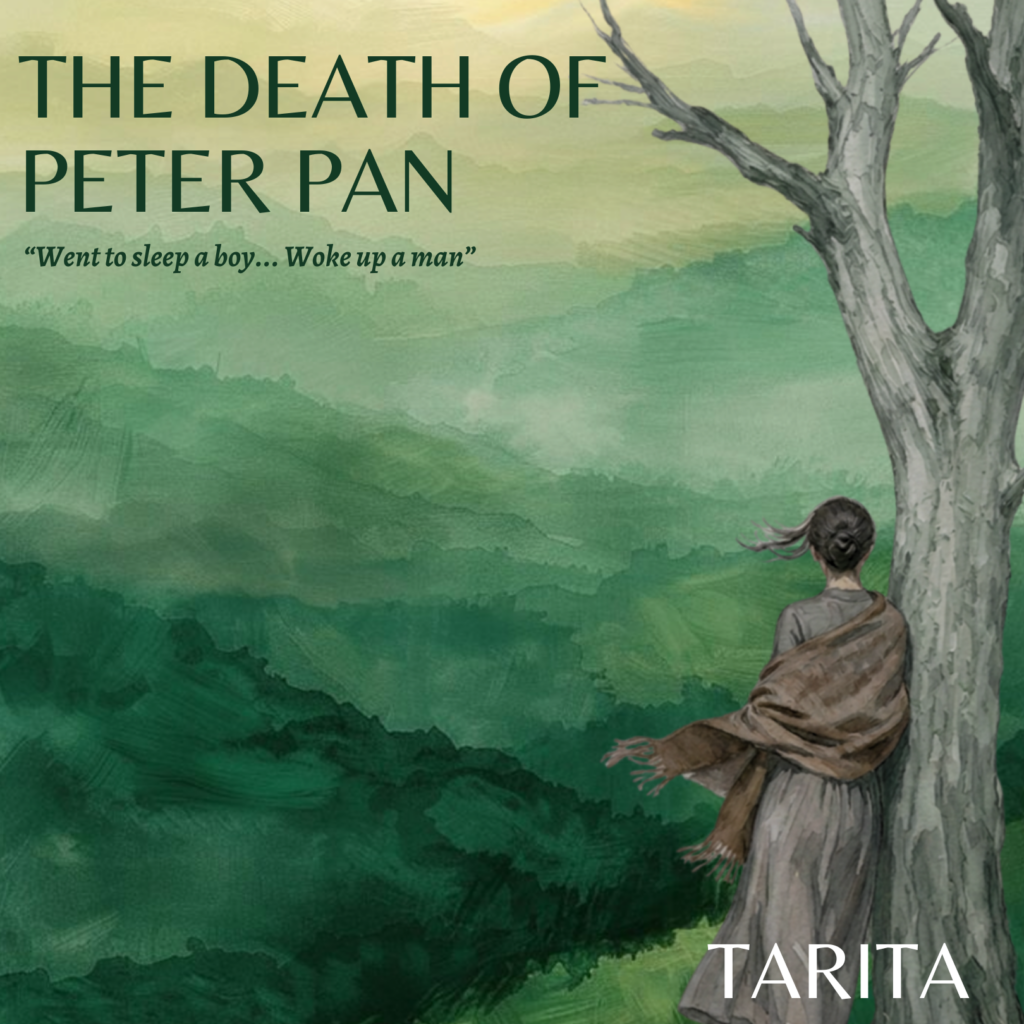
The backstory of the single is as charming as it is unusual, rooted in a creative partnership with her longtime friend Rohan Tharyan, who penned the lyrics around the time he introduced her to Radiohead. That initial 2007 bedroom recording captured Sindhuja singing and playing guitar on fragile digital equipment, though the project was left unproduced and even lost an entire stanza somewhere along the journey. Nearly two decades later, the track was resurrected with the help of producer Sanjai Shine, who contributed fresh guitar layers and backing vocals, alongside engineer Mervin Thomas, who handled the final mixing and mastering duties. The resulting modern version honors the frail, acoustic intimacy of the original home recording while finally giving the composition the sonic weight it had been waiting for all those years.
Lyrically, the song tackles the universal agony and awkwardness of growing up, though it deliberately avoids any sugarcoated tropes about becoming wiser or more put together. Instead, it traces a nostalgic path away from childhood fantasies of mystical creatures and epic adventures, landing squarely in the much less glamorous reality of professional jobs, complex relationships, family expectations, and wedding rings. It captures the quiet, sometimes jarring collision between the idealized person we imagined becoming during our youth and the messy, beautiful adult life that actually unfolded. Reflecting on the lengthy delay between writing and releasing the track, the artist humorously notes that leaving a song about time slipping away to sit on a shelf for twenty years is either brilliantly on theme or spectacularly bad administration.
Musically, the arrangement walks a delicate line between alternative folk and introspective indie rock, drawing subtle emotional textures from the atmospheric vulnerability that defined late nineties alternative music. The acoustic guitar strumming provides a steady, comforting heartbeat, while subtle electric accents and warm vocal harmonies build an immersive sonic landscape. There is no artificial sheen or overproduced gloss to be found here, allowing the raw emotional core of the performance to command the center of the mix. It feels like listening to someone open an old diary on a rainy afternoon, reading aloud entries written by a younger version of themselves with affectionate understanding.
What makes the release stand out so brilliantly on Apricot is its absolute rejection of fast paced industry trends in favor of slow cooked, authentic storytelling. In a musical climate obsessed with instant gratification and viral turnover, Tarita offers a refreshing reminder that some songs simply require life experience to fully mature before they are ready to be shared with the world. The single functions as an essential sanctuary for anyone who values introspective lyricism, organic instrumentation, and art that mirrors the messy realities of the human condition.
As momentum gathers around this mid-September release, The Death of Peter Pan cements Tarita’s eclectic artistic journey, sitting comfortably alongside her demanding career as a researcher, professor, vocalist, and composer. It showcases a brilliant creative mind operating with complete authenticity, laying down a solid foundation for an ongoing musical exploration that proves good songs never truly age.
Allowing the final lingering acoustic chords and warm vocal decay of The Death of Peter Pan to settle into absolute silence leaves a profound sense of reflection hanging in the room. The nostalgic journey gradually dissolves into a peaceful stillness, leaving the listener energized, deeply comforted, and entirely reminded of why saying goodbye to childhood innocence is simply the price of admission for finding our true selves.


