
There is a specific kind of quiet that settles over the Pacific Northwest, a misty, introspective atmosphere that seems to seep into the very soul of the music born there. Tacoma, Washington, has always been a city of grit and beauty, and it is from this fertile ground that independent singer songwriter Tyler McGinnis continues to carve out a space for himself in the modern Americana landscape. On March 27, 2026, McGinnis released his most hauntingly beautiful work to date, a single titled Admiring Ghosts. Following the steady momentum of his previous release, Geronimo, this new track serves as a profound meditation on the invisible threads that tie us to our past. It is a celebratory acknowledgement of the things we leave behind, wrapped in a sonic shell of warm roots instrumentation and textured, intimate vocals. By focusing on the quiet ways the past lingers in the present, McGinnis has created a sanctuary of sound for anyone navigating the complex geography of their own history.
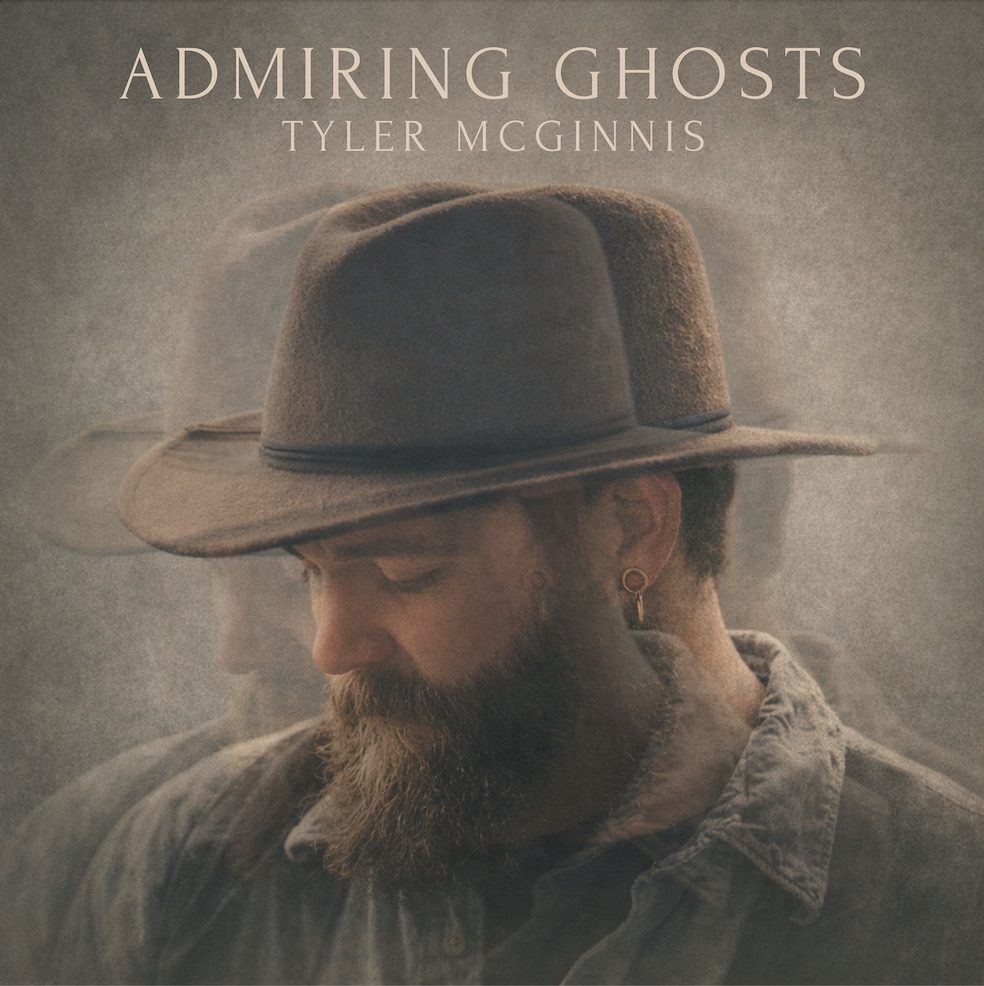
The heart of Admiring Ghosts is built around a striking and universal image: a box containing everything we have ever lost. Within this metaphorical container lie old dreams that never took flight, friendships that faded into silence, and those small, missed moments that seemed insignificant at the time but now carry a heavy weight. McGinnis captures the experience of looking back and wondering exactly when life began slipping quietly forward, moving from the certainty of youth into the reflective haze of adulthood. It is a song that balances immense emotional depth with a rare sense of restraint, choosing the power of contemplation over the easy release of drama. Rather than dwelling in the sharp sting of regret, the narrative leans into a softer kind of understanding. It is an acceptance that time is a river that only flows in one direction, and that there is a strange, melancholy beauty in admiring the very things we can no longer reach.
One of the most resonant lines in the song serves as its emotional anchor, suggesting that we don’t always know exactly what we miss and what we don’t. This simple observation captures the confusing nature of nostalgia, where the mind often polishes old memories until they shine, sometimes making us long for versions of ourselves that never truly existed. McGinnis sings with a textured, intimate delivery that makes the listener feel like they are sitting across from him in a dimly lit room, sharing a private conversation. His voice carries the dust of the road and the clarity of someone who has spent a lot of time examining life’s quieter, heavier moments with honesty. It is a “human first” recording that prioritizes the soul of the story over the perfection of the machine, a hallmark of the growing McGinnis brand.
Sonically, the track is a masterclass in the Americana genre, blending traditional roots elements with a modern, expansive feel. The instrumentation is warm and grounded, providing a sturdy foundation for the lyrical narrative to unfold. There is a strategic and soulful use of space in the arrangement, allowing the instruments to breathe and the silence between the notes to carry its own weight. This sense of cinematic stillness is what makes the song feel so personal yet so broadly resonant. It is music for the long drive home, for the rainy afternoon, and for the late night reflection. As McGinnis continues his steady rollout of new music throughout 2026, leading toward a full length album later this summer, Admiring Ghosts stands out as a pivotal chapter in his evolution as a storyteller.
What makes Tyler McGinnis particularly significant on the Apricot Magazine radar is his lack of fear when it comes to examining the shadows of the human experience. He doesn’t shy away from the ghosts; he invites them in for a drink. This clarity of vision has earned him a reputation as a songwriter who can translate the complex internal dialogue of loss into something tangible and beautiful. Admiring Ghosts is a celebratory acknowledgement of survival, a reminder that the things we have lost are still a part of us, shaping our current silhouette. It is a bold and assured creative statement that refuses to offer easy answers, opting instead to sit with the listener in the middle of the question.
The technicality of the recording highlights the duo of McGinnis’ songwriting and his production sensibilities. The way the acoustic elements interact with the subtle atmospheric layers creates a physical sense of space, making the “ghosts” of the title feel almost visible in the air. This production quality ensures that the song can compete on the global stage while maintaining the integrity of its independent roots. It is a masterclass in the power of the understated, proving that you don’t need a wall of sound to make a massive impact. As the single begins to find its home on Americana and indie folk playlists, the response has been one of profound connection, with listeners finding their own “boxes of loss” reflected in the verses.
Lyrically, the song moves with a gentle, rolling momentum that mirrors the steady pace of life moving forward. It describes the sensation of looking back at the versions of ourselves that are now just echoes, carried with a sense of grace rather than bitterness. By centering the song on the act of “admiring” these ghosts, McGinnis flips the traditional heartbreak narrative on its head. He suggests that the past is not something to be feared or escaped, but something to be viewed with a quiet respect. It is a celebratory acknowledgement of the journey, acknowledging that every faded friendship and missed moment was a necessary stop on the way to the present.
Ultimately, this release is a masterclass in the art of the sonic memoir. Tyler McGinnis has taken the raw materials of memory and rebuilt them into a sonic masterpiece of grace, grit, and high end sensitivity. He has successfully bridged the gap between the intimate reality of the Tacoma scene and the expansive reality of the global listener, creating a track that feels like a shared secret. As the final, reverberant notes of the song fade out, the listener is left with a sense of quiet resolution and a renewed appreciation for the beauty of a genuine, reflective voice. The ghosts may be gone, but through the music of Tyler McGinnis, they are finally being seen for the beauty they left behind.
Put on your best headphones, find a quiet space where you can turn it up until the room starts to feel a little more crowded with your own history, and let the cinematic resonance of Tyler McGinnis carry you through the fog. You might just realize that the things you’ve been missing are exactly what make your current story worth telling. The road is yours, the music is honest, and for Tyler McGinnis, the mission to map the human heart through Americana has only just begun.


