
There is a particular kind of confidence required to name a song directly after the intimacy it celebrates, and Trib announces itself with exactly that clarity of purpose. The one named Jasmine builds this track around queer feminine desire without softening the language or reaching for coy metaphor to make the subject matter more palatable for mainstream comfort. That directness matters considerably within R&B and soul traditions that have long celebrated sensuality as legitimate artistic territory, since Jasmine’s work extends that lineage specifically into queer experience, representation that Jasmine has been clear remains underserved within mainstream music despite the genre’s deep historical comfort with desire as subject matter.
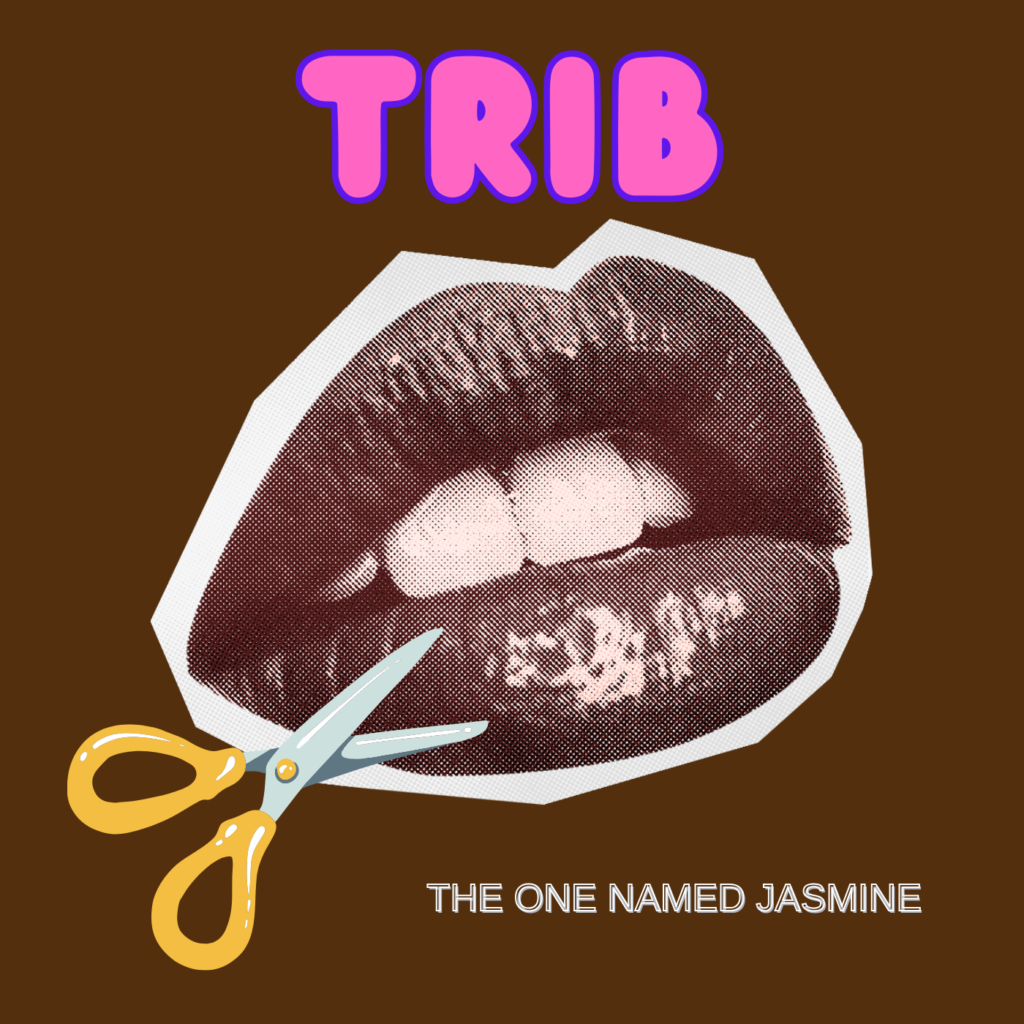
Musically, the track draws from classic soul foundations filtered through contemporary R&B production sensibility, a combination well suited to material this concerned with genuine emotional and physical intimacy. Soul music has always excelled at communicating vulnerability through vocal texture specifically, the human voice carrying weight that pure lyrical content alone often cannot fully achieve, and Jasmine’s velvety, lush vocal delivery throughout Trib leans into that tradition directly. There is real craft in how classic soul influences get translated here into something that still feels genuinely contemporary rather than purely nostalgic, avoiding the trap some retro leaning R&B falls into of feeling more like tribute than genuine forward movement within the tradition.
What distinguishes Trib from more generic slow jam territory is its explicit framing around specifically queer intimacy, positioning the track as both celebration and genuine statement rather than simply another entry within R&B’s long established sensual tradition. Jasmine has spoken directly about wanting to honor forms of intimacy that mainstream music has historically underrepresented, and that stated intention gives the song real cultural weight beyond its immediate sonic pleasures. This is not queerness treated as simple novelty or marketing angle layered onto otherwise conventional romantic content. The specificity of the desire being described remains central to the song’s actual identity rather than existing as incidental detail that could be swapped out without meaningfully changing what the track actually communicates.
The hypnotic groove running throughout the production gives the track genuine physical presence, the kind of rhythmic pull that makes slow jams function successfully as actual invitations to movement rather than purely passive listening experiences. That groove based foundation matters considerably for a song this explicitly concerned with physical connection and electric chemistry between lovers, since the music itself needs to embody some version of that same magnetic pull the lyrics are describing. Jasmine’s production choices throughout seem calibrated specifically toward creating that immersive, almost enveloping atmosphere, the sonic equivalent of the intimate, candlelit environment the song’s framing explicitly evokes.
There is something worth noting in how Jasmine balances genuine sensuality against equally genuine vulnerability throughout the track’s overall approach. Desire on its own can sometimes read as surface level or purely physical without deeper emotional grounding, but Jasmine’s own description of wanting listeners to feel genuinely seen while falling deeper into someone else’s energy suggests real interest in intimacy’s emotional dimension alongside its physical one. That combination, treating desire and vulnerability as fundamentally connected rather than separate concerns, gives Trib considerably more depth than pure seduction anthem territory typically offers, positioning physical connection as inseparable from genuine emotional recognition between partners.
Jasmine’s broader artistic identity, built around exploring love, identity, and authentic human connection through consistently rich storytelling and captivating vocal performance, positions Trib as a natural continuation of established thematic territory rather than an isolated experiment in more explicit content. That consistency across her catalog suggests real intentionality behind how she approaches sensuality as legitimate artistic subject matter throughout her work generally, treating desire and physical intimacy with the same narrative seriousness and craft that other artists might reserve exclusively for more conventionally sanctioned emotional territory like heartbreak or longing.
What ultimately gives Trib its cultural significance beyond its immediate sonic pleasures is the timing and context Jasmine has explicitly acknowledged around its release, arriving specifically at a moment when authentic queer stories deserve genuinely amplified visibility within mainstream musical spaces. That framing positions the song as participating in something larger than its own individual runtime, contributing directly to an ongoing cultural conversation about whose desire and whose intimacy gets represented with genuine artistic seriousness rather than relegated to niche or coded territory. Jasmine’s willingness to make that representation explicit rather than implied carries real significance within a musical landscape still working through how comfortably it can center queer experience without treating it as somehow separate from music’s broader traditions around love and desire.
By the time Trib reaches its conclusion, the one named Jasmine has delivered something considerably more substantial than a simple mood piece built for late night listening, using genuine vocal skill and thoughtful production choices to create space specifically for queer intimacy within R&B’s long established sensual tradition. This is music built to soundtrack genuine connection, unapologetic about its own specific desires while remaining emotionally generous enough to invite listeners into that same feeling of being fully seen. Sometimes the most powerful artistic statement available is simply refusing to make desire smaller or more coded than it actually is, and Trib commits fully to exactly that refusal.


