
London has a way of swallowing sound in its grey, industrial maw, yet Fiona Amaka has managed to carve out a pocket of stillness within the city. On February 6, 2026, she moved away from the high decibel friction of her usual band performances to release an acoustic iteration of her staple track. This version of Love that fills my world is a radical departure from the rock anthems that usually define her stage presence. By stripping away the electric armor, she has exposed a skeletal and haunting beauty that was previously buried under layers of distortion. The result is a celebratory acknowledgement of the vulnerability required to reinvent one’s own history.
The recording sessions took place in a London studio alongside producer and session guitarist Andy Zanini, whose classical background provided a sophisticated structural anchor. Zanini helped navigate the song away from the familiar territory of long guitar solos and into the unmapped waters of orchestral folk. The addition of violin and cello creates a physical sense of weight and mourning that feels entirely new to the track. It is a dense and multi dimensional experience that defies easy categorization by the modern industry. This experimental sound occupies a grey space where classical mastery, bluesy grit, and rock sensibilities finally stop fighting.
Tracing the evolution of the song reveals a songwriter who is increasingly comfortable with the idea of total, uncompromising subtraction. Amara has managed to capture a frequency that resonates with an honesty rarely found in the plastic perfection of contemporary pop. The transition from a live band banger to an intimate, acoustic meditation required a high degree of technical mastery and emotional courage. Her audience has responded with a sudden and visceral surge of engagement across every digital platform. It is a clear signal that the public is starving for something that feels rooted in actual human trauma and triumph.
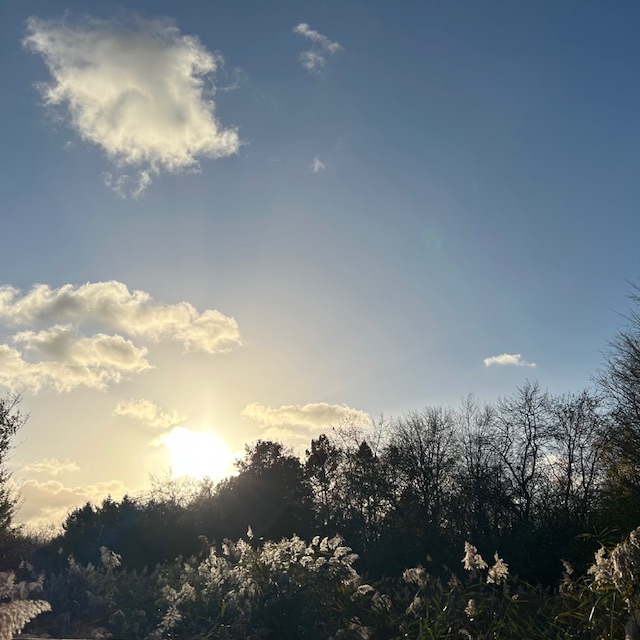
The accompanying video was filmed at the London Wetlands and Wildlife Trust, providing a stark and natural backdrop for this new sonic direction. There is a specific kind of magic that happens when the organic textures of the strings meet the humid, open air of the wetlands. It reinforces the idea that this music is a living system, something that grows and reshapes itself under the pressure of the environment. The visual elements complement the minimalist production, emphasizing the solitude and the stillness of the performance. Amara looks less like a rock star and more like a witness to her own evolution.
Technicality and emotion function as twin engines throughout the record, pushing the sound toward a state of absolute, unhurried clarity. Zanini’s influence is palpable in the precise, elegant arrangements that allow the vocals to sit front and center with a quiet authority. You can hear the literal air in the room, a physical presence that gives the track a weight rarely found in modern bedroom productions. It is a refreshing return to the values of the studio era, where the microphone was a witness to a specific moment. The duo has managed to turn the cold logic of the studio into a warm reality.
As an independent force, Amaka has built a sanctuary where she can bypass the committee driven standards of the industry to focus on her own narrative. Her reliance on storytelling becomes a tool for total liberation, allowing the improvised energy of her mind to seep into the tracks. This release stands out because it prioritizes the listener’s internal state, aiming for a vibration that makes the heart skip. It is an uncompromising statement from a creator who understands that music is a state of being. The silence between the notes is just as important as the melody itself.
Looking toward the future, the success of this experiment suggests a broader and more ambitious path for the Fiona Amaka catalog. She has successfully bridged the gap between the legends of the past and the innovators of the present. The city continues to breathe and the movement continues to grow, fueled by the living fire of her own creative conviction. It is a beautiful and brutal testament to the fact that some stories are too loud to be kept quiet. The rhythm is established and the soul is finally back where it belongs. The signal remains clear and the intent remains focused.
Audiences are gravitating toward this specific frequency because it offers a sanctuary from the frantic, jittery pace of contemporary life. There is a sense of alignment and poise in the arrangement that suggests she spent more time on the soul than on commercial viability. Ironically, this honesty is exactly what makes it such a potent candidate for global folk playlists. It captures a universal frequency, a vibration that resonates with anyone who has ever looked for the truth. She is building a legacy on her own terms, one string at a time. The road ahead is wide open and entirely unpaved.
As the final, reverberant notes of the cello dissolve into the ambient noise of the room, there is no sense of a neat conclusion. Instead, the listener is left with a feeling of lingering, heavy smoke and a persistent, rhythmic hum. Fiona Amaka has successfully bridged the gap between her rock roots and a much more ambitious, global vision. The city continues to breathe and the movement continues to grow, fueled by the living fire of her own conviction. It is a beautiful testament to the fact that some stories are too loud to be quiet. The rhythm is established.
The air around the record feels charged with the static of an unresolved conversation, a frequency that hums long after the speakers go silent. We are left standing in that blurred space where the ritual of the performance meets the reality of the self. It is a celebratory acknowledgement of the messiness of being human and the beauty of finding a rhythm within the chaos. The strings are still vibrating, the cadence is rising, and the truth of the heart is finally finding its voice. The light is hitting the water now, exposing the dust motes and the lingering traces of a song.


