The world of instrumental rock has always been a landscape where the guitar serves as both the narrator and the protagonist, a place where technical precision must dance with raw emotion to truly resonate. For Mike Shouse, a Jackson, Kentucky native who once cut his teeth at the Guitar Institute of Technology in Hollywood, that dance has been silent for fifteen long years. On September 5, 2025, that silence was shattered with the release of the single Romeo is gone, a standout track from his monumental comeback album titled Jaded. This release is a celebratory acknowledgement of a career that began with the acclaimed Enter the Soul in 2001 and reached international heights with 2010’s Alone on the Sun. Now, returning after more than a decade away from the spotlight, Shouse has delivered a sonic fresco that feels less like a simple return and more like a profound rebirth. By assembling a veritable league of legends to join him, he has crafted a piece of music that bridges the gap between the golden era of guitar gods and the modern evolution of the genre.
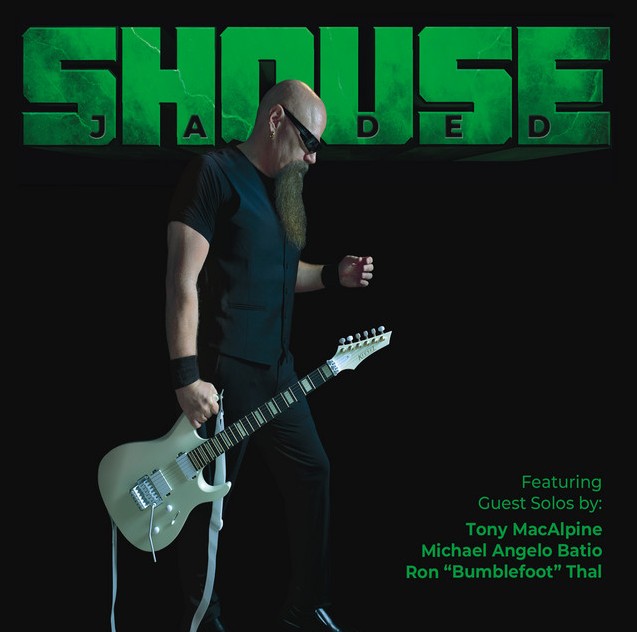
Romeo is gone is a masterclass in the kind of instrumental storytelling that requires no words to convey a sense of longing, power, and finality. The track benefits immensely from the high end production of Nashville legend Billy Decker, whose mix and master ensure that every nuance of Shouse’s fretwork is captured with crystalline clarity. The song is a strategic and soulful journey that showcases Shouse’s growth as a composer. While his earlier work earned him features in magazines like Progression and Fireworks, this new era finds him operating with a deeper sense of consideration. The music feels personal and worked over, a reflection of a man who has spent fifteen years gathering the experiences necessary to fuel such a visceral performance. It is a technical marvel that refuses to sacrifice heart for the sake of speed, though the speed is certainly there for those who crave it.
The significance of this release on the Apricot Magazine radar is bolstered by the jaw dropping lineup of guest contributors. Shouse did not return to the scene alone; he brought along fellow axe slingers Tony MacAlpine, Ron ‘Bumblefoot’ Thal, and Michael Angelo Batio. These are not mere cameos; they are collaborative explosions of creativity that elevate the track to a level of world class musicianship rarely seen in the independent scene. Supporting this guitar onslaught is the rhythmic powerhouse Charlie Zeleny on drums, known for his work with Jordan Rudess and Terry Bozzio, and the legendary James Amelio Pulli on bass, a Metal Hall of Fame inductee from Impellitteri. Together, this ensemble creates a wall of sound that feels bigger than life, reminding listeners of an era when the electric guitar was the undisputed king of the musical mountain.
Within the composition of Romeo is gone, the listener is treated to a dialogue between different styles of mastery. Shouse provides the emotional anchor, while the guest solos from Batio and Bumblefoot add layers of frantic energy and experimental texture. The track functions as a sanctuary of sound for those who miss the days of the Shrapnel Records era but want something that feels fresh and relevant for the current year. It is a celebratory acknowledgement of the instrument’s limitless possibilities. Critics from France to the United States have already taken notice, describing the work as both technical and visceral. It is a long awaited return that justifies every minute of the decade and a half wait, proving that Shouse’s creative well has only grown deeper with time.
The recording process for the album Jaded, and this single in particular, represents a transition from Stockton, New Jersey, where Shouse is currently based, to the heart of the global music community. By leveraging the talents of players from Los Angeles and New York, Shouse has created a project that transcends geographical boundaries. The technicality of the recording highlights a musician who has spent his hiatus honing his craft and writing lessons for sites like chopsfromhell.com, ensuring that his return would be nothing short of flawless. There is a “human first” quality to the way the guitars interact on the track; it doesn’t feel like a collection of isolated parts, but rather a group of friends pushing each other to reach new heights of expression.
Lyrically, though the track is an instrumental, the title Romeo is gone suggests a narrative of loss and the end of a romanticized era. It is a bold and assured statement that reflects the album’s overall theme of navigating the new world while staying true to one’s roots. Shouse has successfully dismantled the idea that instrumental rock is just about vanity, opting instead for a composition that feels like a heartfelt journey. Whether you are a classic rock purist or a fan of modern metal, the track delivers a familiar warmth combined with a professional sheen that demands respect. It is the sound of a survivor, a guitarist who has seen the industry change and chose to wait until he had something truly essential to say before stepping back onto the stage.
As Romeo is gone continues to find its way onto global playlists and into the hands of guitar aficionados, the buzz around Mike Shouse is reaching a fever pitch. He represents a developing brand of veteran musician who understands that the soul is just as important as the shred. This release is a masterclass in resilience and artistic integrity, solidifying his reputation as one of the most distinctive voices in the guitar community. With a sound that is as epic as a cinematic score and as intimate as a private confession, Shouse is reminding the world why we fell in love with the electric guitar in the first place. It is a triumphant moment for the Kentucky born virtuoso, and a gift to anyone who appreciates the power of six strings and a story to tell.
Ultimately, this release is a celebratory acknowledgement of the human spirit’s ability to reinvent itself. Mike Shouse has taken the raw materials of his fifteen year hiatus and rebuilt them into a sonic masterpiece of grace, grit, and high end production. He has successfully bridged the gap between his early GIT days in Hollywood and his current status as a respected elder of the guitar world. As the final, reverberant notes of the song fade out, the listener is left with a sense of quiet resolution and a renewed appreciation for the beauty of a genuine, virtuosic voice. Romeo might be gone, but Mike Shouse is very much back, and the road ahead looks brighter than ever.
Put on your best headphones, find a space where you can turn it up until the room starts to vibrate, and let the cinematic resonance of Mike Shouse carry you through the history of the electric guitar. You might just realize that the fire you thought had gone out was just waiting for the right moment to roar back to life. The journey is yours, the music is honest, and for Mike Shouse, the mission to touch souls through the power of the axe has only just begun.