There is a beautiful idea contained in the notion of unfolding a melody, of taking a familiar folk tune and opening it up from its traditional shape, reimagining it as something intimate and contemplative and weightless. Folk melodies carry centuries of shared feeling, and there is genuine artistry in dissolving their familiar forms into a modern, ambient sensibility, letting them float free into a wide, cinematic space. Marcin Sanakiewicz has undertaken exactly this unfolding, and Unfolked Piano. Some Polish Themes, the twelve-track album released June 26, 2026, takes Polish folk themes and unfolds them from their familiar shapes into intimate, contemplative solo piano. After almost three decades shaping Polish music from behind the piano, Sanakiewicz steps out under his own name for the very first time, creating music that feels both rooted and weightless.
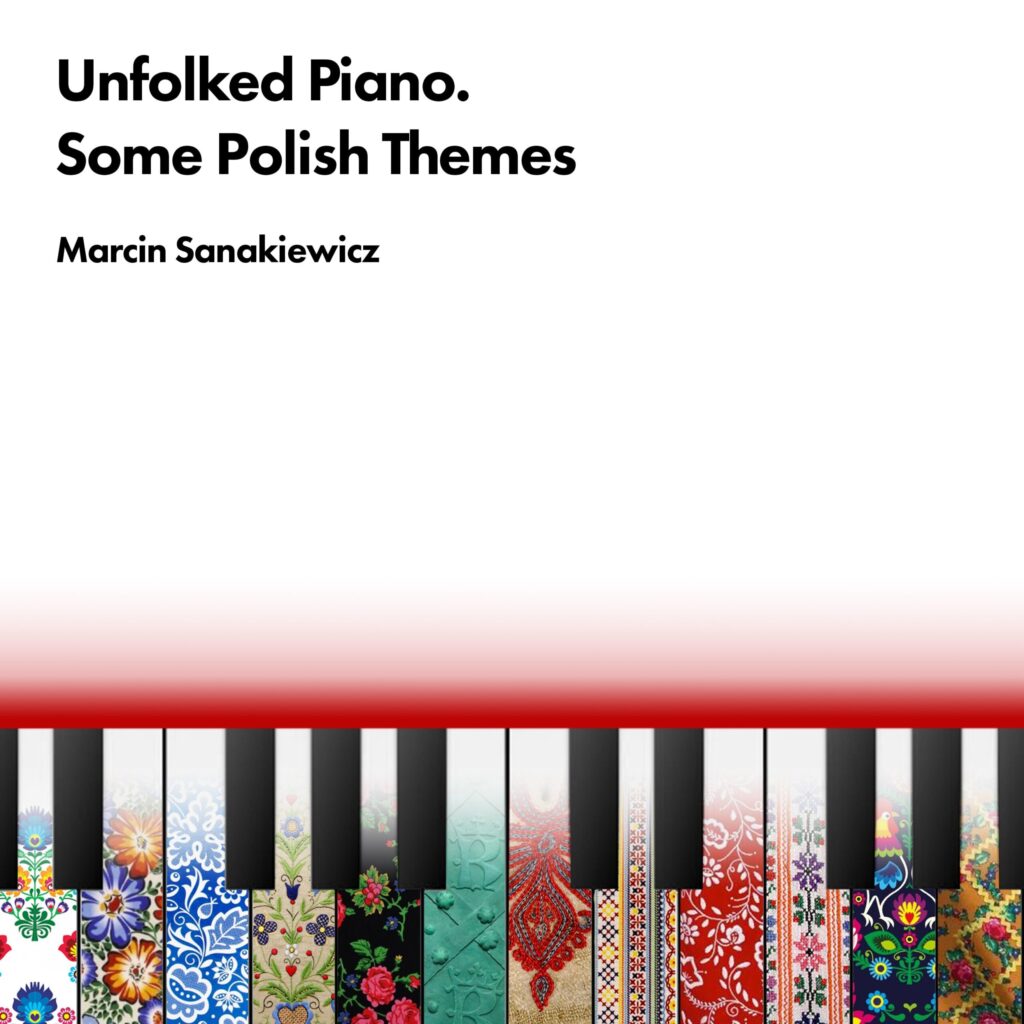
The concept behind Unfolked Piano gives the album its distinctive artistry. The album does exactly what its title suggests, taking Polish melodies and unfolding them from their familiar shapes, reimagining them as intimate, contemplative solo piano. This concept of unfolding is genuinely evocative, the folk themes being opened up from their traditional forms, dissolved into a modern, ambient sensibility, the familiar melodies transformed into something new. The clever title, Unfolked Piano, captures this concept perfectly, the unfolking suggesting both the unfolding of the melodies and their transformation beyond their folk origins. This concept gives the album its coherence, all twelve tracks based on traditional Polish motifs unfolded into contemplative piano, the folk DNA dissolved into a weightless, cinematic space. This artistic ambition distinguishes the album, Unfolked Piano being a genuine reimagining of Polish folk tradition through a modern, ambient lens.
The lead single Across My Garth sets the album’s contemplative tone. Based on the traditional Polish motif about a garden, the piece takes its name from garth, an old word for an enclosed garden or yard. This gives the piece its quiet, pastoral character, unhurried and spacious, the sound of a private green world observed slowly. This opening perfectly establishes the album’s aesthetic, the pastoral, contemplative quality of Across My Garth embodying the intimate, spacious sound that defines the record, the private green world observed slowly setting the tone for the entire album. The choice of the old word garth reflects the album’s blend of the traditional and the reimagined, the ancient term giving the piece its timeless, pastoral character. This lead single sets the album’s tone beautifully, the quiet, spacious observation of a garden embodying the contemplative spirit of Unfolked Piano.
Rosemary’s Tune follows, bringing a gentle, personal quality, the name suggesting both the herb with its associations of remembrance and a personal dedication. This piece brings warmth and intimacy to the album, the tune carrying the gentle, contemplative character that defines the collection. Caroline-Gogoline brings a playful, musical name, the rhythmic, almost nursery-rhyme quality of the title suggesting a lighter, more whimsical piece. This track brings a touch of playfulness to the album, the charming name reflecting a lighter moment within the contemplative collection. Apple in Red brings a vivid, colorful image, the red apple suggesting ripeness and natural beauty, the simple image carrying the pastoral quality that runs through the album.
Little Lime brings another image from nature, the lime suggesting freshness and the natural world, the diminutive little giving the piece a delicate, intimate character. This track continues the album’s connection to nature and the pastoral, the little lime embodying the gentle, natural imagery that infuses the collection. Cracow Guy brings a connection to the city of Kraków, where Sanakiewicz has been a long-standing member of the legendary cabaret Piwnica pod Baranami. This piece reflects the artist’s roots in Kraków, the Cracow guy perhaps being a character or a reflection of the city’s spirit, the connection to place grounding the album in Polish culture. Page of the King brings a note of history and nobility, the page of the king suggesting a courtly, historical scene, the traditional theme carrying echoes of Poland’s rich history.
Brickin’ Cellar brings an earthier, more grounded image, the cellar suggesting the humble, everyday spaces of traditional life, the brick construction grounding the piece in the physical world. This track brings a more grounded quality to the album, the cellar embodying the everyday, domestic spaces of folk life. Pair of Hearts brings a theme of love and connection, the pair of hearts suggesting romance and partnership, the piece carrying the warmth of human connection. This track brings a tender, romantic quality to the album, the pair of hearts embodying the love and connection that folk music so often celebrates. Cuckoo Song brings the sound of nature into the album, the cuckoo being a bird deeply associated with folk tradition and the changing seasons, its song carrying associations of spring and renewal. This track connects the album to the natural world and folk tradition, the cuckoo song embodying the seasonal, natural themes that run through folk music.
Hey, Hops brings a lively, celebratory quality, the hops suggesting both the plant and a sense of dancing and movement, the exclamatory hey giving the piece an energetic character. This track brings a touch of liveliness to the album, the hey hops embodying the celebratory, dancing spirit of folk tradition. The album closes with Rushin’ Brook, a beautiful image of flowing water, the rushing brook embodying the movement and flow of nature. This closing track gives Unfolked Piano a flowing, natural conclusion, the rushing brook embodying the movement of water and the flow of the music, the natural image providing a fitting end to an album so connected to the pastoral world. Ending the album with the sound of a rushing brook gives the collection a sense of natural flow and continuity, the water carrying the music onward.
The distinctive sound of Unfolked Piano places it within contemporary European piano music. The album sits comfortably alongside today’s wave of European piano music, artists like Hania Rani and Nils Frahm and Lubomyr Melnyk and Tigran Hamasyan and Aleksander Dębicz, where melody and touch and silence matter as much as virtuosity. This connection places Sanakiewicz within a vibrant contemporary movement, the emphasis on nuance and atmosphere over mere technical display reflecting the sensibility of these acclaimed artists. Every phrase is built around nuance, micro-dynamics and breath and the kind of pedalling that lets a single note hang in the air. This attention to nuance and silence gives the album its contemplative depth, Unfolked Piano valuing the space between notes and the touch of each phrase, the music breathing and resonating in a way that rewards attentive listening.
The blend of genres that shapes Unfolked Piano gives it its rich character. Though instrumental and piano-led, the album is written across neoclassical and quasi-ambient and quasi-jazz and light electronics, taking Polish folk themes into a wide, cinematic space rather than a folk record. This genre-blending approach gives the album its rich, layered character, the folk themes unfolded through neoclassical and ambient and jazz sensibilities, the light electronics adding contemporary texture. This blend creates a wide, cinematic space, the album feeling expansive and atmospheric rather than confined to any single genre, the Polish folk DNA dissolved into a modern, multifaceted sound. This genre-blending gives Unfolked Piano its distinctive quality, the folk melodies transformed into something rooted yet weightless, traditional yet thoroughly contemporary.
Sanakiewicz’s remarkable background gives Unfolked Piano its depth. For almost three decades, Sanakiewicz has shaped the sound of Polish music from behind the piano, as an arranger and musical director and accompanist to some of the country’s most distinguished artists, including a film-music composer and a pop and alternative singer, and as a long-standing member of the legendary Kraków cabaret Piwnica pod Baranami. This rich background informs the album, the decades of experience accompanying and arranging for others giving Sanakiewicz the mastery and sensibility that Unfolked Piano displays. With this album, he steps out under his own name for the very first time, the debut representing a significant moment in a long and distinguished career. This background gives the album its depth, Unfolked Piano being the personal statement of a master musician stepping into the spotlight after decades of supporting others.
The balance of rooted and weightless gives Unfolked Piano its distinctive beauty. The album creates music that feels both rooted and weightless, folk and classical DNA dissolved into a modern, ambient sensibility. This balance is the album’s defining quality, the music being grounded in the rich tradition of Polish folk while floating free into a weightless, contemplative space, the rootedness and the weightlessness coexisting beautifully. This balance reflects Sanakiewicz’s artistry, the folk themes honored and preserved even as they are transformed into something modern and atmospheric, the album being both a tribute to tradition and a genuine reimagining. This balance of rooted and weightless gives Unfolked Piano its distinctive beauty, the music being at once deeply Polish and universally contemplative.
Unfolked Piano. Some Polish Themes is the sound of folk melodies unfolded into weightless space, a twelve-track debut that reimagines Polish traditional themes as intimate, contemplative solo piano. Marcin Sanakiewicz has stepped out under his own name after almost three decades, the neoclassical and ambient and jazz sensibilities combining with light electronics to create music that feels both rooted and weightless.
From the pastoral quiet of Across My Garth to the flowing waters of Rushin’ Brook, Marcin Sanakiewicz has unfolded Polish folk melodies into a wide, cinematic space. Unfolked Piano is a debut of genuine beauty and contemplative depth, and its dissolving of folk and classical DNA into a modern, ambient sensibility confirms Sanakiewicz as a master musician whose first step into the spotlight lets every single note hang beautifully in the air.