There is a question that can unlock an entire album, a creative provocation that gives a body of work its character and its direction, and for Rachel Swain that question was a beautifully specific one: what if Waylon Jennings was in The Rolling Stones? The collision of outlaw country grit and swaggering rock and roll attitude that this question implies runs through every track of Neon Lullaby, the acclaimed Americana singer-songwriter’s debut solo album, released May 29, 2026. Across ten tracks of country soul and Southern blues and late-night magnetism, Swain has made a record that lives in the space where honky-tonk defiance meets rock swagger, a neon lullaby for the after-hours hours when the bar is still open and the night still holds possibility.
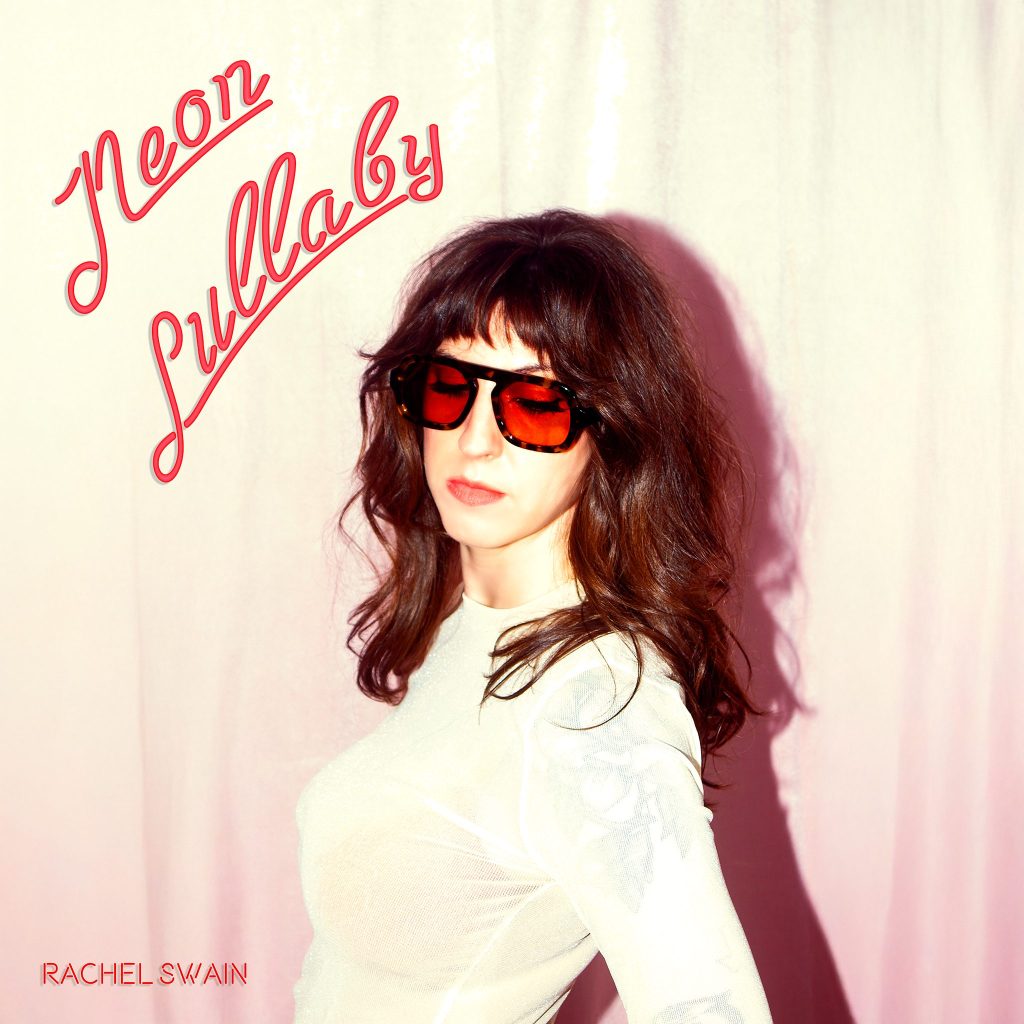
The album opens with Houston, immediately establishing the Texas geography that grounds much of the record. Houston is a city with its own deep musical heritage and its own particular character, and opening the album there announces Swain’s connection to the specific landscape of the American South, the sprawling city setting a scene of urban Southern life that the album will explore. The opening track draws the listener into the world of Neon Lullaby, the country soul foundation and the lived-in authenticity that define the album present from the first moments.
Good for Nothing follows with a title that carries the kind of self-deprecating defiance that country music has always done well, the embrace of being good for nothing being a kind of rebellious assertion against the expectations and judgments of others. There is a long tradition in country and outlaw music of celebrating the disreputable and the rebellious, and Good for Nothing taps into this tradition, the title suggesting a song that turns dismissal into attitude, the good-for-nothing label worn as a badge rather than accepted as a wound. Ghost continues the album’s emotional exploration, the title evoking the way that the past and the people in it continue to haunt the present, the ghost being whatever or whoever cannot be fully left behind.
Fortune brings the question of luck and fate into the album’s world, the fortune of the title carrying connotations of both wealth and destiny, the gambles and chances that shape a life. In the late-night world that Neon Lullaby inhabits, the world of bars and the after-hours, fortune is always in play, the hope for a change of luck and the awareness of fate’s unpredictability being part of the emotional texture of that world. The track explores these themes within the album’s country soul framework, the music carrying the weight of hopes and chances and the uncertainty of fortune.
Mama, Whatdya Say sits at the heart of the album as one of its most defining moments, and its origin story captures the immediate, lived-in quality that defines Neon Lullaby. Swain was at a local lesbian bar with friends, waiting for a drink, when she overheard a woman approach another and ask what she was drinking, and the moment triggered a song idea that she captured as a rough voice memo when she returned home. This genuine real-world origin, the song sparked by an overheard moment of flirtation in a bar, gives Mama, Whatdya Say its authenticity, the track being a song about flirtation and tension and recognition that emerged from an actual moment of exactly those things. The smoky, slow-burning duet channels the Waylon-in-the-Stones spirit perfectly, the swaggering late-night groove steeped in country soul and Southern blues.
The duet found its match in fellow Chicago artist Reilly Downes, whose voice brings a striking counterpoint to Swain’s signature rasp. The story of the collaboration adds to the song’s charm, Swain having sent it to Downes and become convinced she hated it after a month of silence, only for Downes to text out of nowhere to say she loved it and was in. This kind of organic collaboration, the song finding its second voice through genuine artistic connection rather than calculated pairing, reflects the authentic spirit of the whole album. In the studio, under the guidance of producers Ryan Joseph Anderson and Adam Gardner, the track took on new dimension when Anderson suggested a JJ Cale approach, the dirty Southern blues of the Tulsa sound, and the result was instant magic, the loose, hypnotic pulse of slinking guitars and understated rhythm creating a lived-in groove that feels both effortless and deeply intentional.
Woman of My Word brings a note of integrity and self-definition to the album, the assertion of being a woman of her word being a statement of character and reliability, the keeping of promises being a matter of honor. This track explores the value of integrity within the album’s world of late-night temptation and flirtation, the woman of her word maintaining her principles amid the swaggering atmosphere. Harris County returns to the Texas geography, Harris County being the county that contains Houston, the specific local reference grounding the album further in its Southern setting. The return to this geography reinforces the sense of place that runs through Neon Lullaby, the specific Texas locations giving the album a concrete rootedness.
Shame engages with one of the most powerful and difficult human emotions, the weight of shame being something that country and blues music have always explored with unflinching honesty. The track confronts the feeling directly, the shame being part of the emotional reckoning that the album undertakes, the willingness to engage with such a difficult emotion reflecting the genuine depth of Swain’s songwriting. Old Familiar Way, the album’s previous single, leans into honky-tonk defiance, the old familiar way being the pattern or habit or path that one returns to despite knowing better, the defiance being the refusal to apologize for it. This track represents the harder honky-tonk edge of the album, the country grit that balances the country soul of other tracks.
The album closes with its title track Neon Lullaby, the song that gives the whole record its name and its defining image. A neon lullaby is a beautiful contradiction, the neon being the artificial light of bars and signs and the after-hours world, the lullaby being the gentle song that soothes toward sleep, and the combination captures the specific magic of the late-night world that the album inhabits. The neon lullaby is the song the night sings to those still awake in it, the strange comfort of the bar and the after-hours, the beauty found in the artificial light and the late hours. This closing title track provides the perfect culmination for an album about the late-night world, the neon lullaby being both the album’s title and its essence, the song that the whole record has been building toward.
Throughout Neon Lullaby, the JJ Cale-inspired Tulsa sound and the country soul and Southern blues combine into a cohesive whole, the dirty, lived-in groove that producers Anderson and Gardner helped craft giving the album its distinctive character. The Waylon-in-the-Stones question that guided the album’s creation is audible throughout, the outlaw country grit meeting the rock and roll swagger in track after track, the result being a record that belongs fully to neither tradition but draws on both.
What makes Neon Lullaby a remarkable debut is the authenticity that runs through every track. From the overheard bar conversation that sparked Mama, Whatdya Say to the specific Texas geography of Houston and Harris County, the album is grounded in genuine lived experience rather than abstract songwriting, the lived-in quality giving the music a credibility that cannot be manufactured. Swain’s signature rasp carries this authenticity, the voice itself sounding like it has lived the late nights and the flirtations and the shame and the defiance that the songs explore.
Neon Lullaby is the sound of an artist who imagined Waylon Jennings in The Rolling Stones and then made the album that question implied. Rachel Swain has crafted a debut steeped in country soul and Southern blues and late-night magnetism, ten tracks that live in the neon-lit after-hours world where flirtation and tension and recognition play out under artificial light.
The neon glows, the lullaby plays, and the night holds its swaggering possibilities. Rachel Swain has made a debut that lights up the dark, and its lived-in authenticity lingers like the last song before closing time.