CASPER Lets His Other Selves Loose on POSSESSION
Being the loudest person in the room does not necessarily mean being the most certain. Sometimes confidence is a performance maintained so energetically that stopping would expose everything it was meant to conceal. CASPER builds POSSESSION around that unstable relationship between display and doubt. Released on October 6, 2026, the independent artist’s fourteen-track album draws […]
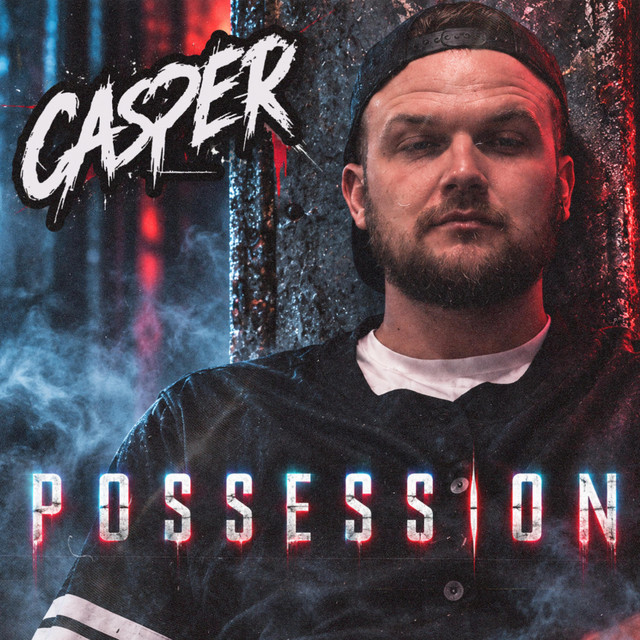
Being the loudest person in the room does not necessarily mean being the most certain. Sometimes confidence is a performance maintained so energetically that stopping would expose everything it was meant to conceal. CASPER builds POSSESSION around that unstable relationship between display and doubt. Released on October 6, 2026, the independent artist’s fourteen-track album draws together futuristic electro-pop, dance, rock, hip-hop influences and early-2000s club energy. Its central concern is the increasingly blurred boundary between a pop character and the person creating him. The party has an identity crisis attached, and neither seems inclined to leave before the other.
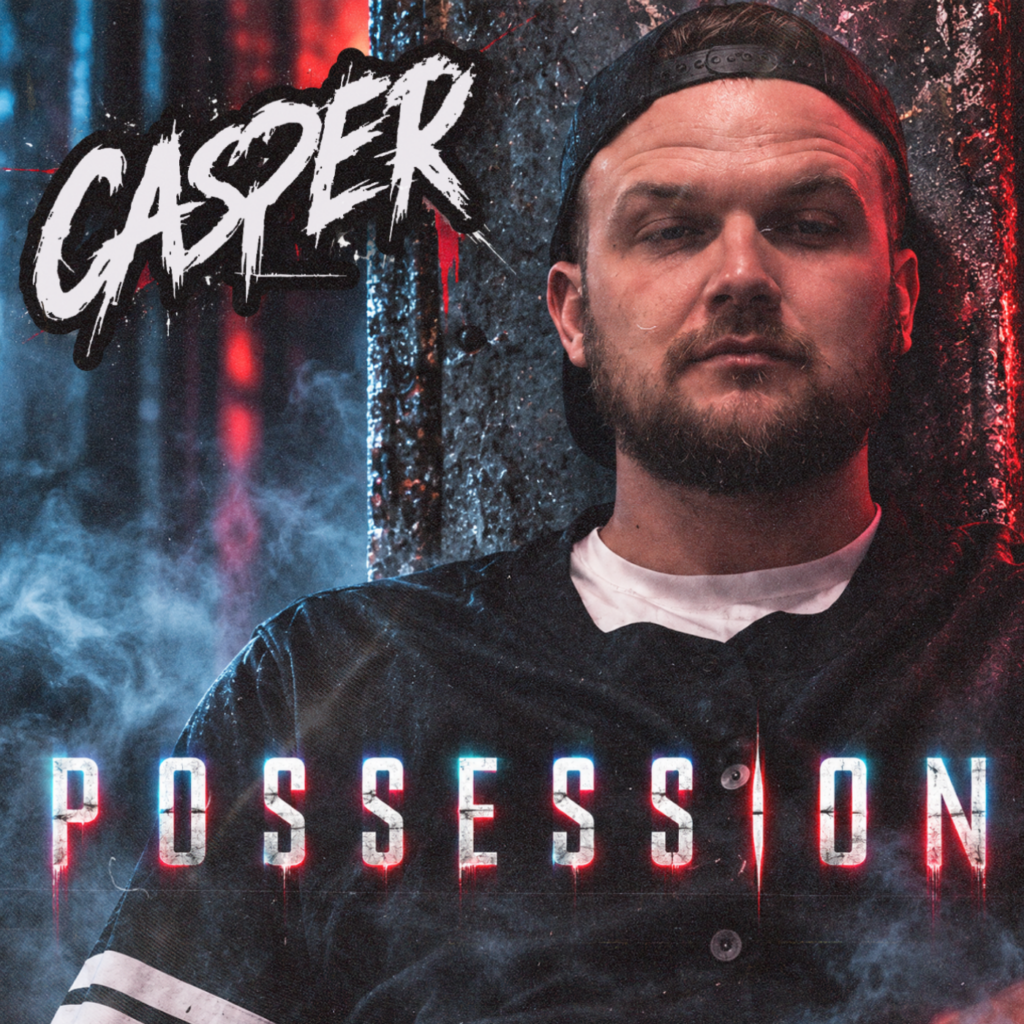
The title gives that crisis several possible forms. Possession can concern desire, ownership or the unsettling feeling that something else has taken control. Those meanings belong comfortably beside the album’s interests in obsession, fame, lust and nightlife. An artist invents a persona to express something, then discovers that the persona has expectations of its own. Confidence needs repeating, appetite needs feeding, and the character who initially offered freedom can become demanding. CASPER’s account of different versions of himself competing for control gives the record a personal foundation. The chaos begins with the difficulty of deciding which self gets to speak.
Years of writing and experimentation sit behind the album, with songs drawn from different relationships, memories and stages of life. That history helps explain why contradiction is part of the project’s design. A record assembled across changing circumstances can preserve attitudes that no longer agree with one another. Someone who wanted attention at one point may later find it exhausting; an encounter remembered as thrilling may acquire an uncomfortable edge. POSSESSION makes room for those competing perspectives. The promise is an album where personality remains unsettled, allowing bravado and vulnerability to occupy the same artistic space without being neatly reconciled.
Distorted synthesizers, aggressive dance production, electric guitars and processed vocals supply the broader sonic vocabulary. These ingredients suit a character whose boundaries are becoming uncertain. Distortion can alter the apparent shape of a sound, while vocal processing introduces possibilities for exaggeration, disguise and theatrical distance. The guitars add another source of physical intensity within the electronic framework. CASPER places those resources inside pop, keeping the project connected to immediacy and performance. The interesting ambition lies in giving the instability a form listeners can enter through movement, with the production reflecting the pressure surrounding the person at its centre.
The early-2000s club reference adds a particular kind of glamour to that pressure. It evokes pop with an appetite for visibility, where an entrance, an outfit or an attitude can feel momentarily decisive. Paired with a futuristic electronic direction, that energy gives CASPER a setting built from both remembered excess and imagined possibilities. Nightlife becomes useful territory because it encourages people to try on versions of themselves. A room full of strangers can offer temporary permission to behave differently. The complication arrives when that temporary version begins to feel more convincing, or more necessary, than the person who eventually goes home.
MERCY opens the tracklist, placing a word associated with vulnerability at the beginning of an album described through force and excess. That choice catches attention before the sequence moves towards FAMOUS TONIGHT and RECKLESS. As titles, they introduce an intriguing change in posture: an appeal gives way to visibility and disregard for consequences. They also belong among the songs identified as moving between confidence and unexpected vulnerability. Without assigning each a detailed narrative beyond the supplied account, the opening run establishes the competing impulses surrounding the record. The character wants something from the world while remaining exposed to what that wanting might cost.
V.I.P and PARTNER IN CRIME extend the language of status and complicity. One suggests privileged access; the other places another person beside the narrator in whatever follows. Their position before ELECTRIC CITY (GET DOWN) gives the first part of the sequence a recognisable vocabulary of entry, company and movement. The sixth title makes its invitation explicit, connecting the album’s theatrical attitude with its dance ambitions. These names are useful signposts rather than a substitute for the songs themselves. Together, they frame a world where belonging can depend on admission, performance and finding somebody prepared to participate in the same version of the night.
Then MISERY appears, interrupting that outward-facing language with a direct expression of distress. Its placement is striking because the word requires so little interpretation. After the suggestions of access and collective excitement, it brings attention back towards an internal state. That contrast fits the album’s wider premise, where confidence has no guarantee of protecting the person performing it. Nightlife can provide an audience without providing reassurance, and being seen can leave someone feeling remarkably unknown. The sequence’s vocabulary allows that problem to become visible, giving the promise of pleasure an uncomfortable neighbour.
FAAABOI changes the tone of the tracklist again through its exaggerated spelling, followed by NEW KID ON THE BLOCK and DEGENERATE KING. The shift from newcomer to a compromised form of royalty makes an arresting pairing. These are names concerned with how someone occupies a social world, from arriving in it to claiming an elevated position within it. The album’s character has several possible descriptions available, none entirely stable. That is where CASPER’s theatrical approach becomes especially interesting. A persona can pursue power while making its own flaws part of the spectacle, turning self-awareness into another performance rather than an immediate escape from it.
MEDICATION, STROBE LIGHTS and CRASHOUT bring the sequence towards its final stretch. Their language places relief, sensory stimulation and a loss of composure close together, echoing the album’s interest in obsession and insecurity. Titles alone cannot establish the particulars of those songs, but their proximity gives the project’s presentation a sharp edge. The vocabulary of the club now sits beside words suggesting an attempt to manage something or the failure to keep managing it. Within POSSESSION, that tension supplies a reason for the darker production choices. The surrounding energy belongs to a person whose appetite and uncertainty keep influencing one another.
The closing LAND OF MAKE BELIEVE introduces a final question about the world CASPER has built. An invented place can offer refuge, permission and the opportunity to become someone otherwise unavailable. It can also make returning to ordinary life difficult. Ending with that title is an evocative choice for an album concerned with a character overtaking his creator. The fantasy remains present at the point where the record concludes, leaving listeners to consider what it has enabled and what it has demanded. The larger question of control stays open: the performer created the setting, but living inside it may have changed him.
POSSESSION presents CASPER through a collection of impulses given permission to compete. Its dark pop framework, club energy and theatrical vocabulary offer an inviting setting for that struggle, while the personal history behind the songs gives the spectacle something to answer to. The most compelling idea is the uncertainty surrounding the character himself. He can be reckless, hungry for recognition and unexpectedly vulnerable, sometimes before the same night is over. CASPER has gathered those versions into fourteen tracks rather than selecting one polished identity to represent them all. The lights stay on, the selves keep arguing, and the person behind the name remains part of the drama.