Neil Valmonte Finds His Bearings on The Road I Didn’t Plan On
Plans usually look convincing before life has had much opportunity to interfere with them. The next move seems clear, the difficult parts appear temporary, and there is comfort in believing that effort will lead somewhere recognisable. Neil Valmonte’s The Road I Didn’t Plan On, released on August 23, 2026, considers what happens when that map […]
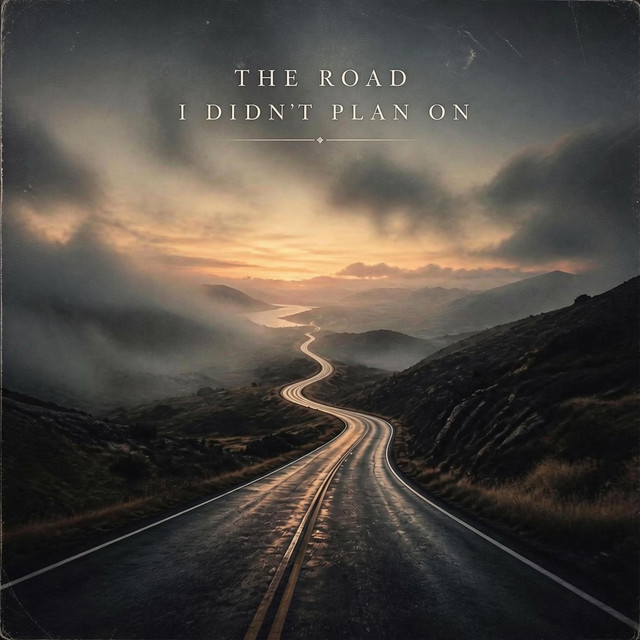
Plans usually look convincing before life has had much opportunity to interfere with them. The next move seems clear, the difficult parts appear temporary, and there is comfort in believing that effort will lead somewhere recognisable. Neil Valmonte’s The Road I Didn’t Plan On, released on August 23, 2026, considers what happens when that map becomes less useful. The Westport, Connecticut songwriter approaches unexpected turns with a mixture of reflection and appreciation. His second single asks whether experiences judged disappointing at the time might look different once we understand more of the life that followed them.
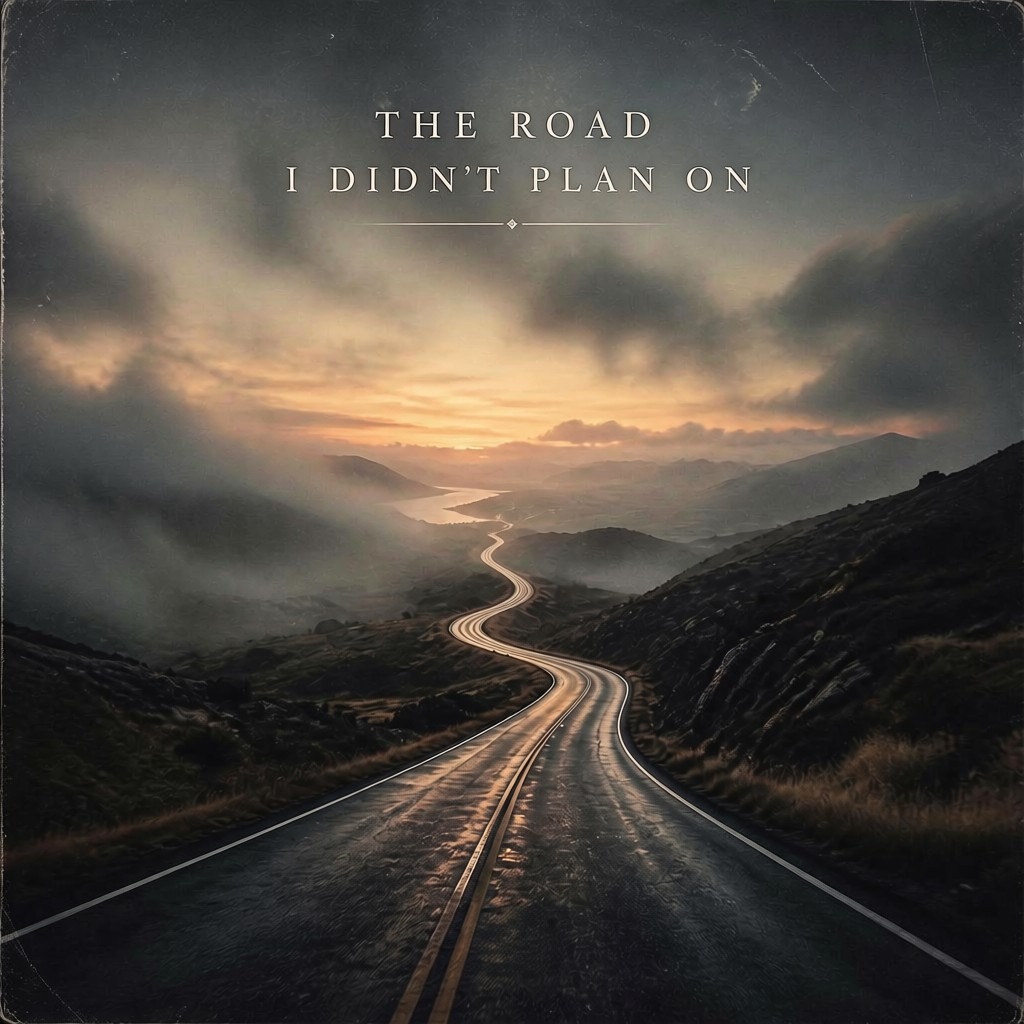
There is a worthwhile distinction between accepting an experience and deciding it was necessary. Valmonte’s premise leaves room for uncertainty, acknowledging that nobody knows what the next turn will bring. A setback can remain painful while becoming part of a larger story, and a promising opportunity can lead somewhere less welcome than expected. That instability gives the song its subject. It concerns the difficulty of making a final judgement while events are still unfolding. The narrator looks back from a changed position, aware that the person doing the remembering was shaped by circumstances he could not have anticipated.
That perspective follows the resilience explored in Valmonte’s debut, Down by the River. The earlier song approached hardship with a more anthemic musical vocabulary; this release shifts towards the quieter business of considering what those experiences left behind. It is an interesting progression for an artist beginning an album. Persistence answers the immediate question of how to continue, while reflection asks what continuing has meant. Valmonte allows the second single to occupy that later stage. The emotional movement comes through a change of attention, from confronting difficulty towards recognising the complicated mixture of events and relationships that produced the present.
His instrumental decisions make that shift concrete. Distorted guitars give way to semi-acoustic guitar arrangements and melodic supporting violas, while the choral backing used in the earlier approach is absent here. The choices reduce the sense of collective rallying and provide a more intimate setting for the writing. Viola is an especially appealing inclusion for a reflective subject, bringing another melodic voice into the relationship with the guitars. Valmonte describes selecting the instruments more deliberately this time. That attention gives the release a clear reason for sounding different: the story has changed, and the arrangement changes with it.
The absence of choral support also places greater responsibility on the central perspective. A song about taking stock benefits from feeling attached to somebody’s particular life, even when its concerns are broadly familiar. Valmonte writes and composes solo, keeping the account rooted in his own experience. Yet he regards everyone he has encountered as having contributed to the path that brought him here. That acknowledgement expands the song’s frame. A personal history includes people whose influence may only become apparent later, through advice remembered, kindness received or choices made in response to a relationship that changed.
The title carries that recognition without needing an elaborate metaphor. Roads are familiar territory in songwriting, but the important part of this one is the admission of limited control. The narrator had intentions, and the eventual route diverged from them. That leaves room for surprise without pretending surprise always feels pleasant. It also gives listeners a way into the material without requiring an identical experience. A changed career, an unfamiliar home or a relationship that altered expectations could each belong within the same reflection. Valmonte’s subject is the discrepancy between the imagined journey and the one that became his life.
Recorded in an amateur basement studio in Connecticut, the single comes from a modest working environment. That setting is relevant to the project’s priorities. Valmonte presents music-making as a way of releasing thoughts and developing through the act of creation, with audience connection welcomed as an additional pleasure. His stated philosophy draws on Kurt Vonnegut’s encouragement to practise art for personal growth. The practical result is an artist willing to begin with the resources around him. A basement becomes somewhere to organise experience into lyrics, consider arrangements and give private thoughts a form that can leave the house.
That outlook also helps explain his openness about genre. Folk and country currently provide a suitable setting for these stories, but Valmonte does not intend to make either a permanent restriction. He wants the musical style to support the lyrics, allowing future material to suggest another direction. It is a sensible principle for an introspective project because different experiences require different kinds of expression. His first two singles already demonstrate a change in emphasis through their instrumentation. The planned album offers space to develop that relationship further, letting the writing determine how much force, intimacy or movement a song needs.
There are no performances currently planned while the album takes shape. For now, The Road I Didn’t Plan On offers a focused introduction to Valmonte’s interest in making sense of experience without claiming to have settled it. The softer instrumental approach supports a story concerned with appreciation, though uncertainty remains part of its appeal. Most persuasive is the willingness to reconsider an earlier judgement. Life rarely supplies the complete context when something happens; understanding arrives unevenly, sometimes years afterwards. Valmonte gives that delay a place in his songwriting, recognising that an unchosen route can still lead to a life worth examining.